
Central bankers at Jackson Hole sketched a future in which the Federal Reserve must brief machines as well as humans to keep monetary policy from losing its grip on markets.
Central bankers at Jackson Hole sketched a future in which the Federal Reserve must brief machines as well as humans to keep monetary policy from losing its grip on markets.
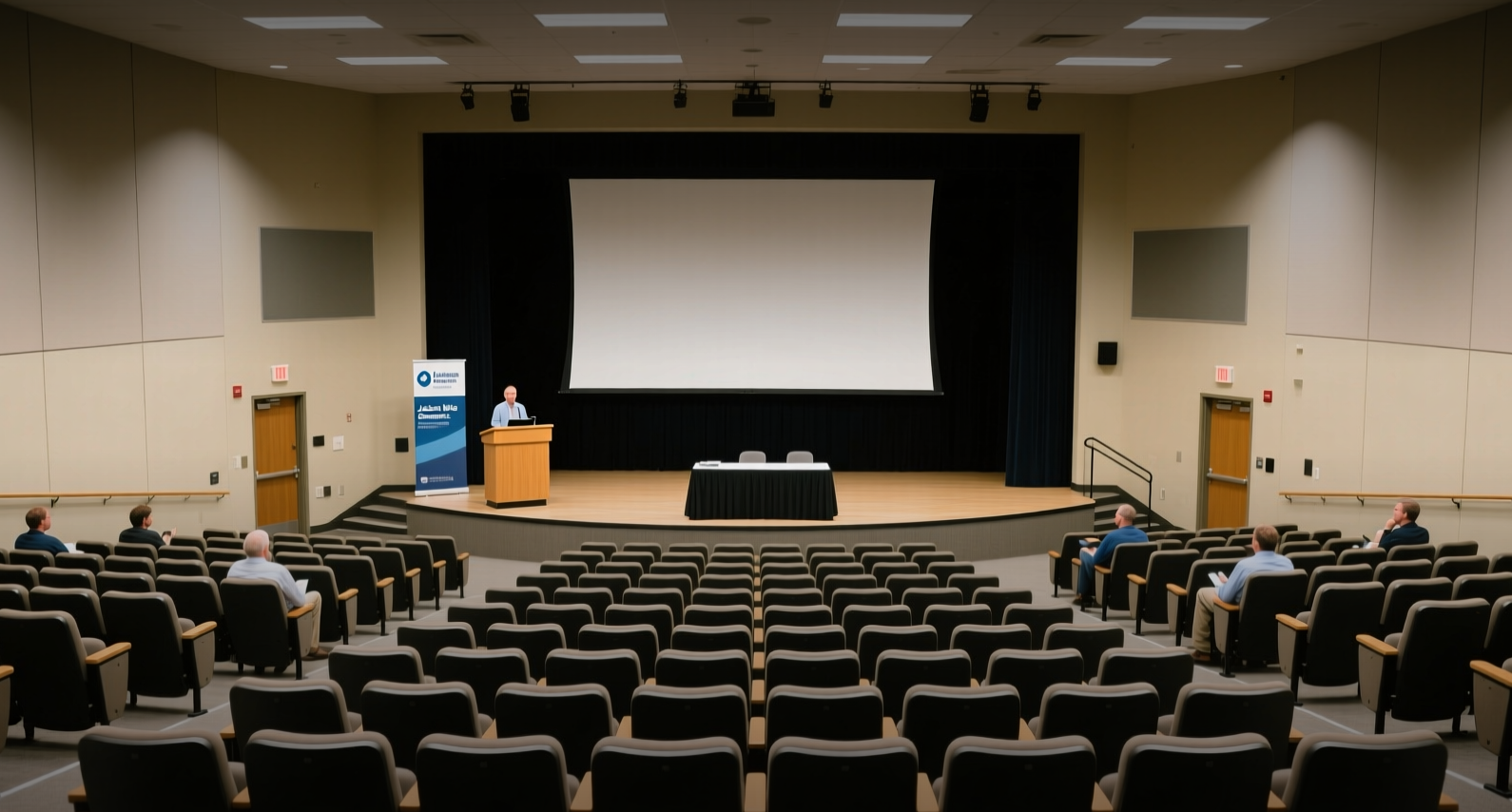
AI-powered trading could force the Federal Reserve to brief machines as well as humans, officials said at the Jackson Hole symposium, as markets price a 63.9 percent chance of a September rate hike.
"None of these measures are perfect, but they all tell a similar story: Inflation is running above our 2 percent target," Fed Chairman Kevin Warsh said in his keynote, adding that "the Fed's predominant focus right now should be on prices."
The scenario, outlined by global central bankers gathered in Wyoming, envisions algorithmic trading so prevalent and effective that a single human-facing press conference would leave people shut out of responding to shifts in policy. The discussion unfolded as Warsh's hawkish debut pushed the odds of a quarter-point increase at the Sept. 15-16 Federal Open Market Committee meeting to 63.9 percent, according to CME Group's FedWatch Tool, up from roughly 35 percent before his remarks.
The stakes extend beyond the next meeting. Crude oil surged $2.88 to $86.28 a barrel after U.S. and Iranian forces traded strikes over the weekend, reviving the inflation concerns Warsh flagged when he noted the central bank's preferred price gauge is running at 3.7 percent. Gold slipped $33 to $4,496.90 an ounce, while the S&P 500 fell 19.23 points to 7,711.76, the Nasdaq dropped 138.93 points to 26,402.42 and the Dow edged down 9.45 points to 53,559.99.
Machines in the policy loop
The AI scenario raises a transmission question: if machines dominate trading, how quickly and faithfully do policy signals reach asset prices? A Fed that must hold two briefings — one for humans, one for algorithms — would acknowledge that the speed of machine response has outpaced the human audience monetary policy was designed to reach.
The last time the Fed confronted a structural shift in market plumbing was the 2013 "taper tantrum," when then-Chairman Ben Bernanke's signal on bond purchases sent 10-year yields up roughly 100 basis points within months as fast-money desks repriced. The difference now, officials said, is that AI agents can react in milliseconds, compressing the window in which human investors can adjust before prices move.
The debate carries direct consequences for how the Fed communicates. Warsh opened his remarks by highlighting his aversion to "forward guidance," noting his "long-time discomfort with early pronouncements of future policy decisions." He argued that oversharing policy deliberations and overcommitting to future decisions can lead markets, businesses and households astray — a stance that takes on added weight if machines, not people, are the primary consumers of each statement.
Rate path hinges on data
For now, the immediate question is whether the Fed raises rates next month. Warsh said he believes labor markets are consistent with full employment, but argued that wage growth has not proven a reliable indicator of future inflation. Economists expect Friday's August nonfarm payrolls report to show 62,500 additions, with the unemployment rate ticking up to 4.2 percent, according to FactSet.
"If the FOMC holds rates in September, it is hard to expect market rates to stabilize quickly," said Shin Joong-ho, head of the research center at LS Securities. "Global leading economic indicators are now coming off their peaks and the risk of a slowdown is building."
Kim Hak-kyun, head of the research center at Shinyoung Securities, tied the rate outlook to geopolitics. "Stabilizing rates requires a quick end to the war with Iran, and the return of foreign investors to the Korean market and any shift in sentiment depend on that," he said.
The dollar held near a two-week high against major peers, while the yen traded at 159.82 per dollar, close to a one-month low on concerns about Japan's fiscal position. The Fed's next decision lands Sept. 15-16, with the August consumer price index due before the meeting. If inflation prints hot again, the hike odds — already above 60 percent — could climb further, and the machines watching the data will be first to react.
This article is for informational purposes only and does not constitute investment advice.
