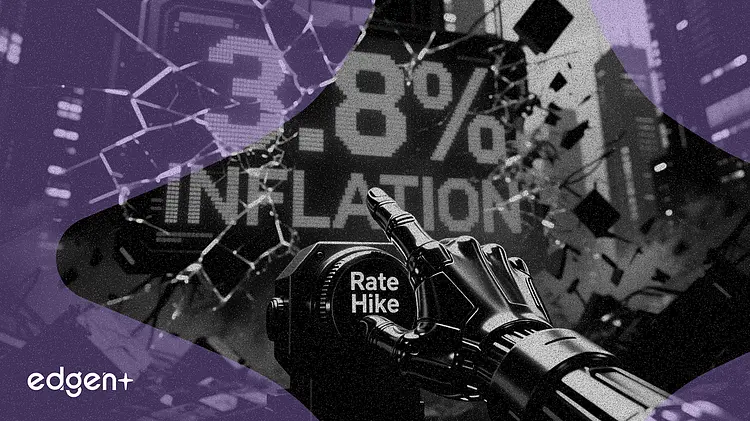
Chỉ một tháng sau khi thị trường định giá ba đợt cắt giảm lãi suất, một quan chức Cục Dự trữ Liên bang hiện đang công khai thảo luận về khả năng tăng lãi suất.
Một cảnh báo diều hâu từ một quan chức Cục Dự trữ Liên bang đang làm gia tăng sự định giá lại mạnh mẽ trên các thị trường trái phiếu, khi các nhà đầu tư đối mặt với khả năng ngày càng tăng rằng bước đi tiếp theo của ngân hàng trung ương có thể là tăng lãi suất. Chủ tịch Fed Boston Susan Collins cho biết hôm thứ Tư rằng việc thắt chặt chính sách có thể là cần thiết để chế ngự lạm phát dai dẳng, một quan điểm được củng cố bởi dữ liệu mới cho thấy giá tiêu dùng tăng 3,8% hàng năm và lạm phát bán buôn tăng vọt 6,0%.
"Mặc dù đó không phải là triển vọng có khả năng xảy ra nhất của tôi, nhưng tôi có thể hình dung ra một kịch bản trong đó cần thắt chặt chính sách để đảm bảo lạm phát trở lại mức 2% một cách bền vững và kịp thời," Collins cho biết trong một bài phát biểu trước Câu lạc bộ Kinh tế Boston.
Lời bình luận này theo sau cú đấm kép từ các báo cáo lạm phát khiến các nhà giao dịch bất ngờ. Chỉ số Giá Tiêu dùng (CPI) tháng 4 đã vượt dự báo ở mức 3,8% so với cùng kỳ năm ngoái, trong khi Chỉ số Giá Sản xuất (PPI) cho thấy chi phí bán buôn tăng tốc ở mức 6,0% hàng năm, cao hơn nhiều so với mức 4,9% dự kiến. Thị trường trái phiếu phản ứng nhanh chóng, với lợi suất trái phiếu kho bạc kỳ hạn 2 năm leo lên mức 4,02% và các thị trường tương lai cắt giảm đặt cược từ ba đợt cắt giảm lãi suất một tháng trước xuống chỉ còn một đợt.
Điều này đặt Cục Dự trữ Liên bang vào một tình thế khó khăn, thách thức câu chuyện kéo dài một năm rằng việc cắt giảm lãi suất là điều chắc chắn xảy ra trong ngắn hạn. Với lạm phát tăng tốc trở lại và thị trường lao động thêm 115.000 việc làm trong tháng 4, lý do cho việc nới lỏng tiền tệ đang tan biến, thay thế bằng một cuộc tranh luận về việc liệu Fed có cần làm nhiều hơn để kiểm soát giá cả hay không.
Sự trỗi dậy của lạm phát làm thay đổi các tính toán
Trong phần lớn năm qua, các nhà đầu tư đã coi việc Fed cắt giảm lãi suất là một kết luận hiển nhiên. Sự tin tưởng đó đã bị phá vỡ bởi dữ liệu lạm phát mới nhất. Theo Cục Thống kê Lao động, CPI tiêu đề đã tăng 3,8% so với cùng kỳ năm ngoái, vượt mức dự báo 3,7% của các nhà kinh tế. CPI lõi, loại bỏ thực phẩm và năng lượng, đã tăng 2,8%.
Điều đáng lo ngại hơn đối với Fed là Chỉ số Giá Sản xuất (PPI), cho thấy lạm phát bán buôn tăng 6,0% hàng năm, vượt xa các ước tính 4,9%. Bởi vì các chi phí này do các doanh nghiệp gánh chịu, chúng thường báo hiệu áp lực trong tương lai đối với giá tiêu dùng khi các công ty chuyển chi phí của họ sang khách hàng. Động lực chính cho sự gia tăng này là năng lượng, chiếm khoảng 40% mức tăng CPI tháng 4 khi dầu thô Brent vượt ngưỡng 107 USD/thùng.
Dữ liệu này đảo ngược xu hướng hạ nhiệt vốn đã mang lại niềm tin cho các nhà hoạch định chính sách trong suốt cuối năm 2023 và đầu năm 2024. Lãi suất cơ bản của Fed hiện nằm trong khoảng từ 5,25% đến 5,50%, mức đạt được vào tháng 7 năm 2023. Trong khi lạm phát đã giảm đáng kể từ mức đỉnh 9,1% vào tháng 6 năm 2022, sự trỗi dậy gần đây lên 3,8% cho thấy tiến độ không chỉ bị đình trệ mà còn có thể đang đảo ngược.
Sự định giá lại của thị trường từ Cắt giảm sang Tăng lãi suất
Sự thay đổi trong dữ liệu đã kích hoạt một đợt định giá lại mạnh mẽ trong các hợp đồng lãi suất tương lai. Chỉ mới một tháng trước, các thị trường đã định giá ba đợt cắt giảm 0,25 điểm phần trăm vào cuối năm 2026. Tính đến tuần này, những kỳ vọng đó đã sụp đổ chỉ còn một đợt cắt giảm duy nhất, theo Công cụ FedWatch của CME.
Sự thay đổi thậm chí còn rõ rệt hơn trong các thị trường dự đoán. Dữ liệu từ Kalshi cho thấy xác suất Fed tăng lãi suất trước năm 2027 đã tăng vọt lên 27%, tăng từ mức chỉ 18,2% một tháng trước. Lợi suất trái phiếu kho bạc kỳ hạn 2 năm, vốn rất nhạy cảm với chính sách của Fed, đã tăng lên 4,02% từ mức 3,77% trong cùng kỳ.
Thực tế mới này tạo ra một bối cảnh khó xử cho Kevin Warsh, người được kỳ vọng sẽ được Tổng thống Trump đề cử thay thế Jerome Powell làm chủ tịch Fed. Warsh vốn được coi là một lựa chọn bồ câu, người sẽ ủng hộ việc cắt giảm lãi suất nhanh hơn để kích thích tăng trưởng. Thay vào đó, ông có thể thừa kế một ngân hàng trung ương bị buộc phải xem xét thắt chặt chính sách để ngăn chặn kỳ vọng lạm phát bị mất kiểm soát. Chủ tịch Fed Boston Collins, người không có quyền biểu quyết trong năm nay, đã nắm bắt được tâm trạng mới này, tuyên bố rằng "hơn năm năm lạm phát trên mức mục tiêu đã làm giảm sự kiên nhẫn của tôi đối với việc 'bỏ qua' một cú sốc cung khác."
Bài viết này chỉ mang tính chất thông tin và không cấu thành lời khuyên đầu tư.