
Cleveland Fed President Beth Hammack warned that "insatiable" demand for AI infrastructure is fueling inflation, raising the prospect of higher interest rates.
Cleveland Fed President Beth Hammack warned that "insatiable" demand for AI infrastructure is fueling inflation, raising the prospect of higher interest rates.
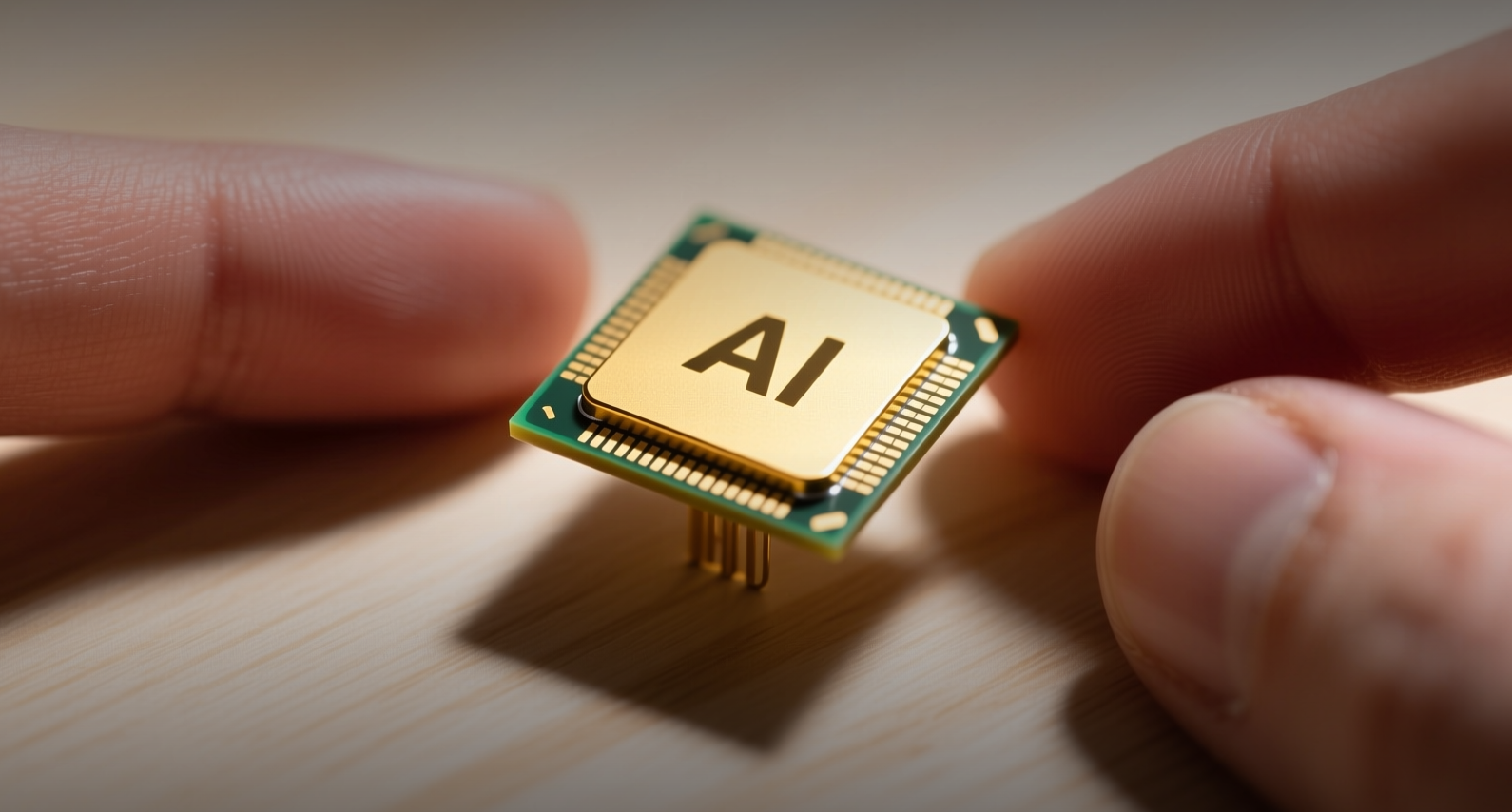
Cleveland Fed President Beth Hammack warned that "insatiable" demand for AI infrastructure is fueling inflation, raising the prospect of higher interest rates.
Cleveland Fed President Beth Hammack said Tuesday that surging demand for AI infrastructure is keeping inflation elevated, potentially forcing the central bank to raise rates even as Chair Kevin Warsh bets the technology will prove disinflationary.
"We've got inflation that's too high, and it's been too high for the past five years," Hammack told CNBC's Sara Eisen at the European Central Bank Conference in Sintra, Portugal. "When I look at policy, if that continues, it may mean that we need higher interest rates to bring inflation back down to target."
Hammack, a voting FOMC member this year, singled out AI-related spending, citing a manufacturer in her district involved in electric switching for data centers. "The demand is insatiable, that these companies — these hyper scalers — will pay almost any price for those inputs, and they need things built yesterday," she said. The Fed earlier this month held its key overnight rate at 5.25 percent to 5.5 percent while penciling in a quarter-point increase by year-end, according to the latest dot plot. Traders now price at least one rate hike by the end of 2026, LSEG data show.
The comments put Hammack at odds with Warsh, who argued in his first news conference as Fed chair that productivity gains from AI will lower labor costs and prove disinflationary. If Hammack's view prevails and the Fed raises rates, it would tighten financial conditions at a time when the S&P 500 and Nasdaq Composite are on track for their best quarter in six years. The 10-year Treasury yield stood at 4.4 percent Tuesday, while gold headed for its steepest quarterly loss in 13 years as hawkish rate expectations weighed on the precious metal.
Rate Hike Odds Rise as Labor Market Holds Firm
The divergence between Hammack and Warsh reflects a broader debate inside the Fed about whether AI represents a supply-side boost that lowers prices or a demand-side shock that drives them higher. The last time a Fed official publicly broke with the chair on a core policy question was in 2023, when then-Governor Christopher Waller dissented from the majority view on rate-path guidance.
Hammack said she is "not seeing a lot of restraint in the economy" from large companies, adding that interest rates and credit spreads are not deterring business investment. That assessment aligns with Tuesday's JOLTS report, which showed job openings held at 7.6 million in May, well above the 7 million economists had forecast, showing a labor market that remains resilient despite the economic shock from the U.S.-Iran conflict.
The dollar extended its rally, pushing the yen to a 40-year low past 162 per dollar, as markets priced a higher probability of Fed rate hikes. The U.S. currency has been supported by the growing conviction that the Fed's next move will be up, not down — a view reinforced by the Fed's June dot plot, which showed nine of 19 officials anticipate a rate increase by year-end.
Equity markets have largely looked through the rate-hike risk, with the S&P 500 up more than 20 percent from a year ago and the Nasdaq rising over 25 percent, driven in large part by the same AI enthusiasm that Hammack flagged as an inflation risk. The disconnect between soaring stock prices and rising rate expectations captures the tension at the heart of the current cycle.
The AI infrastructure buildout that Hammack cited shows no signs of slowing. Data center emissions reached 286 million tonnes of CO2 in 2025, 57 percent higher than International Energy Agency estimates, according to a study by Allianz Trade published Tuesday. The findings highlight the scale of the investment wave that Hammack said is feeding through to prices.
Oil prices, meanwhile, headed for their steepest quarterly loss since 2020, with Brent crude down about 38 percent for the quarter as traders focused on potential U.S.-Iran peace talks in Doha. The juxtaposition of rising rate expectations and falling commodity prices highlights the unusual macro environment the Fed faces: inflation driven by domestic demand for AI infrastructure rather than by energy costs.
This article is for informational purposes only and does not constitute investment advice.
