A surge of wealthy families into South Florida has created a private school shortage, prompting billionaires to spend millions on new, exclusive campuses.
A shortage of private school placements in South Florida is fueling a construction boom, with billionaires like Jeff Greene and Stephen Ross investing over $50 million to develop new educational institutions for the children of newly relocated executives.
"You can’t just write a check and magically have a great school,” said Jeff Greene, a real-estate developer who spent $50 million to build The Greene School in West Palm Beach.
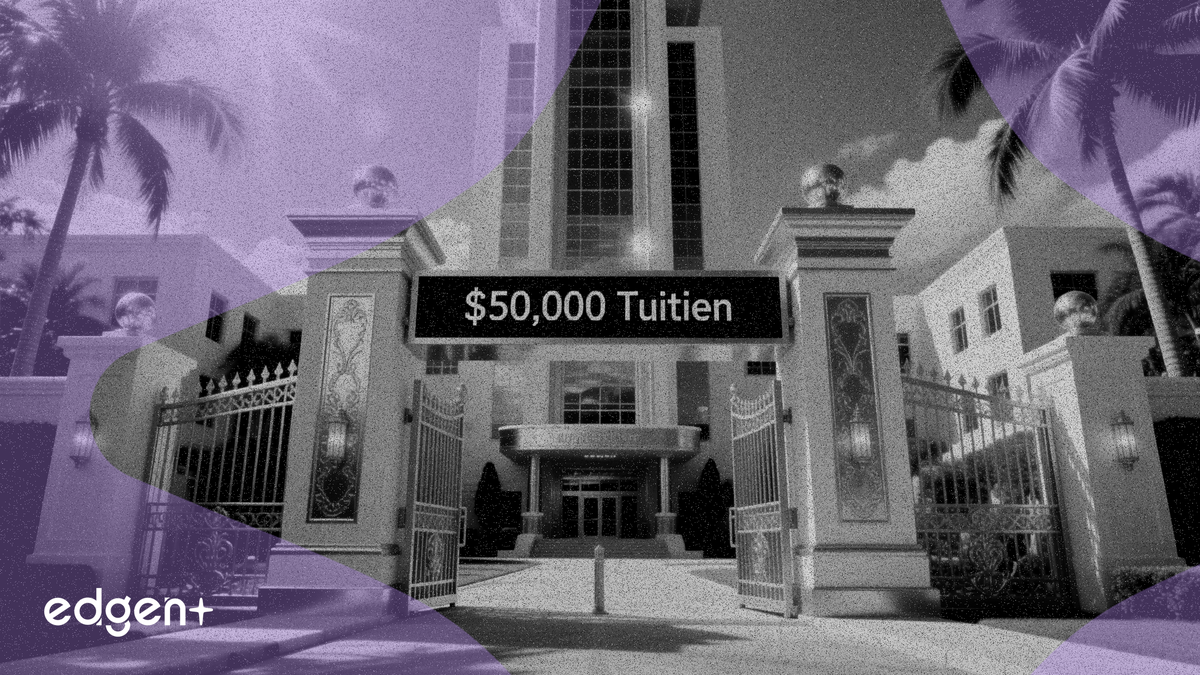
The demand is driven by an influx of high-earners, with many existing private schools having multiyear waiting lists. This has led to the creation of schools like The Greene School, with a $50,000 annual tuition, and BaseCamp305, which charges around $30,000. These new schools offer specialized programs like aeronautics and 3-D printing to attract the children of tech titans and hedge-fund managers.
This educational real estate boom highlights a critical bottleneck in the migration of wealth to South Florida. The lack of school supply could deter future relocations of high-level executives, potentially impacting the region's economic growth and reshaping its real estate market around these new educational hubs.
A New Educational Landscape
The migration of tech and finance executives to South Florida has overwhelmed the area's private school system. In response, some of the wealthiest new residents are taking matters into their own hands. Real-estate developer Stephen Ross is planning two new private schools, including the 440,000-square-foot Wingrove Academy in Wellington. Former WeWork chief executive Adam Neumann is also developing a school, SOLFL, in Miami's El Portal neighborhood.
These projects are significant undertakings, often involving tens of millions of dollars and battles with local bureaucracies. Greene's school, for example, was built on 7 acres of land pieced together from an abandoned car dealership and adjacent businesses.
The Business of Education
While most of the new schools are non-profits, they are expensive to run and not always profitable. The Greene School, which costs $50 million for land and construction, charges $50,000 a year in tuition and is only now approaching break-even after losing $2 million annually. John Marshall's BaseCamp305, with a tuition of about $30,000, has annual costs exceeding income by a couple of million dollars, due to high teacher salaries and amenities like organic meals.
"This is how private schools have historically been founded,” said Marshall. “By families looking to fulfill a need, and then expanding over time.”
Community and Controversy
The development of these exclusive schools has not been without friction. Neumann's demolition of a church for his SOLFL school caused a community uproar. Marshall's plan to demolish a historic building for a sports field was blocked by the Historic Preservation Board, leading to lengthy delays.
Despite the challenges, the demand for these schools remains high. The Greene School's first graduating class has just 10 students, but its incoming freshman class will have 40. As Greene noted, the Ivy League-educated parents of his students "want their kids to get the kind of education that will get them admitted to those types of prestigious schools.”
This article is for informational purposes only and does not constitute investment advice.