La adopción acelerada de interconexiones ópticas en los centros de datos de IA está consolidando un ciclo de crecimiento plurianual para un puñado de proveedores de componentes críticos.
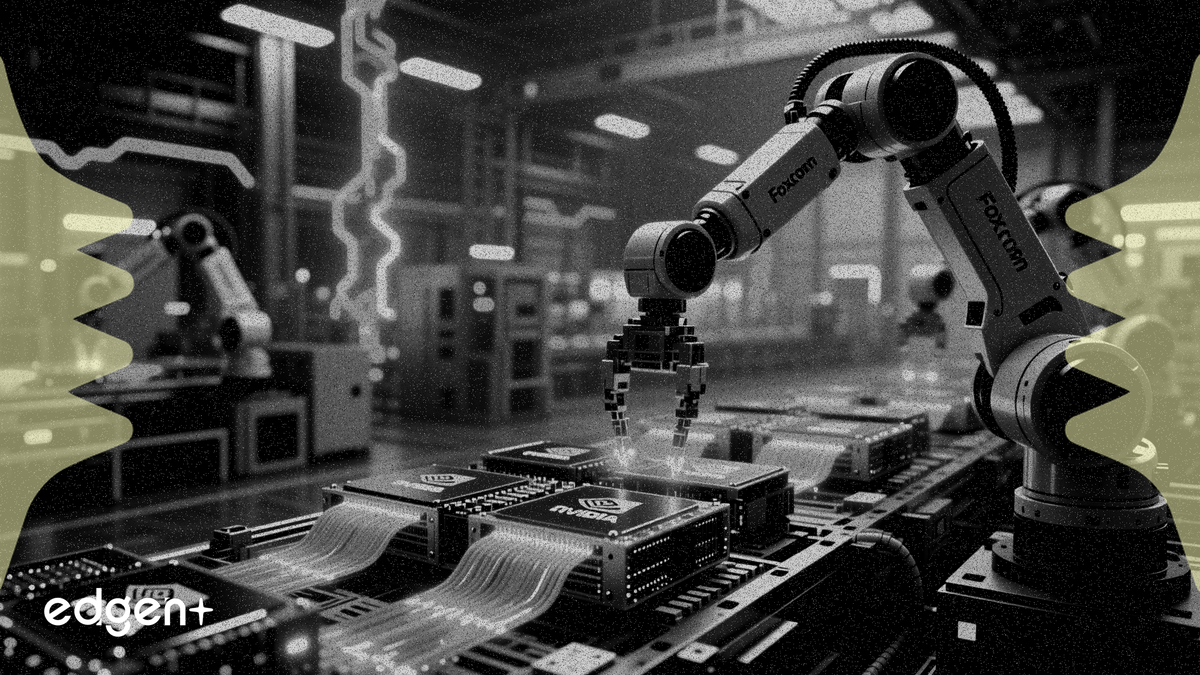
Hon Hai Precision Industry Co. (2317.TW), más conocida como Foxconn, ha comenzado según se informa la entrega anticipada de sus gabinetes de conmutación de óptica empaquetada conjuntamente (CPO) totalmente óptica a Nvidia Corp. (NVDA), de acuerdo con un informe del Economic Daily News de Taiwán. El informe sugiere que los objetivos de envío se han disparado de las 10,000 unidades iniciales para 2026 a un total combinado de más de 50,000 unidades para 2026 y 2027.
Este movimiento subraya la necesidad crítica de tecnologías ópticas avanzadas para manejar las enormes cargas de datos en la infraestructura de IA de próxima generación. "La IA está impulsando la mayor construcción de infraestructura de nuestro tiempo", afirmó recientemente el CEO de Nvidia, Jensen Huang, al anunciar una asociación óptica independiente con Corning Inc. (GLW). "Estamos inventando el futuro de la computación con tecnologías ópticas avanzadas".
Foxconn, que actúa como el único fabricante de diseño original (ODM) para los conmutadores CPO de Nvidia, tenía previsto inicialmente comenzar la producción en masa en el tercer trimestre de 2026. Los informes de envíos anticipados desde su fábrica de Vietnam, que se dice que están tan limitados que incluso se enviaron modelos de exhibición a Nvidia, apuntan a una aceleración significativa de este cronograma. Foxconn declinó hacer comentarios sobre clientes o productos específicos.
Para Foxconn, el cambio estratégico es sustancial. El negocio de conmutadores CPO conlleva márgenes brutos de dos dígitos, un marcado contraste con los márgenes del 5% al 8% típicos de su negocio tradicional de ensamblaje de servidores. La filial de la empresa, Foxconn Industrial Internet (FII), proyecta que el negocio relacionado con CPO contribuirá con más del 15% de sus ingresos en 2026, estableciendo un poderoso segundo motor de crecimiento más allá de los servidores de IA y alterando fundamentalmente la estructura de rentabilidad del grupo.
El giro hacia la velocidad de la luz
La tecnología de óptica empaquetada conjuntamente es un habilitador crítico para el crecimiento exponencial de los centros de datos de IA. Al empaquetar los módulos ópticos directamente con el chip del conmutador de red, el CPO reemplaza los cables de cobre tradicionales con fibra óptica para interconectar los servidores. Esto permite que los datos se transmitan como señales de luz en lugar de señales eléctricas, aumentando drásticamente las velocidades de transferencia de datos y reduciendo el consumo de energía, dos de los principales cuellos de botella al escalar clústeres de IA.
A medida que los modelos de IA crecen en complejidad, la demanda de un mayor ancho de banda y una transferencia de datos más eficiente entre miles de GPU se vuelve primordial. Según la firma de investigación McKinsey & Co., se estima que el gasto de capital global en infraestructura de centros de datos impulsados por IA alcanzará aproximadamente los 7 billones de dólares para 2030, impulsando una intensa demanda de los componentes ópticos y fotónicos subyacentes.
La cadena de suministro óptica se calienta
El agresivo impulso de Nvidia hacia el CPO está creando un viento de cola masivo para toda la cadena de suministro de componentes ópticos. Además de su asociación con Foxconn, Nvidia entró recientemente en una colaboración plurianual con el especialista en vidrio y óptica Corning Inc. (GLW) para expandir la fabricación en EE. UU. de soluciones ópticas avanzadas. Corning espera un crecimiento de ingresos y ganancias del 13.3% y 26.6%, respectivamente, para el año en curso.
Otros proveedores clave están reportando una demanda récord. Lumentum Holdings Inc. (LITE), que fabrica transceptores y chips láser de alta velocidad, vio cómo sus ingresos aumentaron un 90.1% interanual hasta los 808 millones de dólares en su trimestre más reciente, impulsados por la demanda de IA. La empresa espera que los ingresos crezcan más del 100% interanual en el trimestre actual y señaló que su capacidad de fabricación de chips láser EML de 200 gigas está totalmente reservada.
Del mismo modo, Coherent Corp. (COHR), otro importante fabricante de componentes ópticos, informa que la mayor parte de su producción del año natural 2026 ya está reservada, con algunos pedidos que se extienden hasta 2027. La empresa anticipa un crecimiento de ingresos del 30.9% para el próximo año. La profunda visibilidad de las reservas en todo el sector confirma que la transición al CPO es un ciclo de inversión duradero y plurianual, lo que reduce la incertidumbre de ingresos a corto plazo para estos fabricantes especializados.
Este artículo es solo para fines informativos y no constituye asesoramiento de inversión.