Hong Kong stocks opened sharply lower on Thursday, with the Hang Seng Index falling 289 points, or 1.15%, to 24,985.18 and slipping back below the 25,000 level, as Brent crude held above US$100 a barrel and investors positioned for US inflation data that will shape the Federal Reserve's September decision.
The decline tracked a broad retreat across Asia. Japan's Nikkei 225 opened 374 points, or 0.57%, lower at 64,768 before widening its loss to 567 points ahead of the lunch break, while South Korea's Kospi sank 106 points at one stage after opening 12 points, or 0.18%, down at 7,038. On the mainland, the Shanghai Composite Index opened down 12 points, or 0.31%, at 3,939, the Shenzhen Component Index fell 82 points, or 0.6%, to 13,641, and the ChiNext Index dropped 30 points, or 0.91%, to 3,324.
"I think that Brent pushing through the US$100 level will be seen by many in the market as a significant event in the current scheme of things," said Nick Twidale, chief market strategist at ATFX Global, who expects global yields to push higher as the market adjusts to higher inflation in the coming months. "This move now may convince some market participants that may have been holding fire on certain positions, with hopes of a peace deal in the Middle East, to now hit the trigger as the realities of a longer conflict kick in."
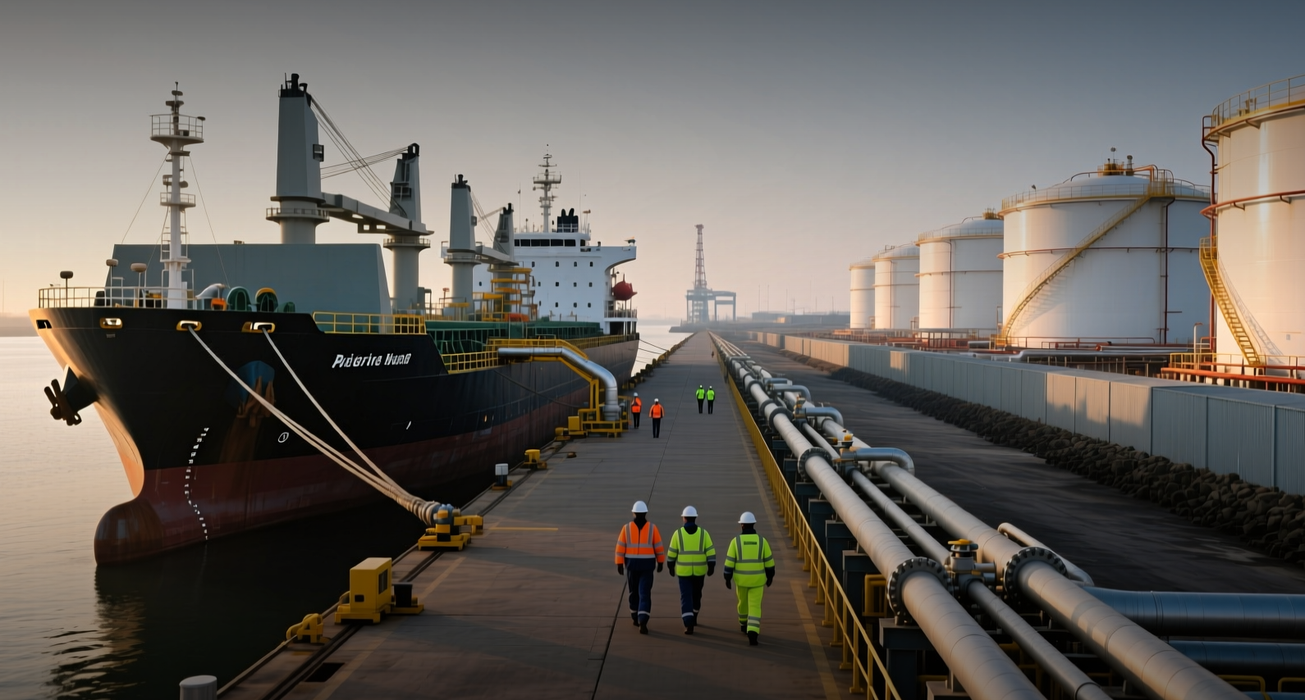
Brent crude futures edged up to US$101.40 a barrel in early trading, having broken through the psychologically important US$100 mark on Wednesday for the first time since July. The move followed the largest wave of attacks on shipping in the widening Middle East conflict, which has kept energy prices elevated and revived the prospect of a Fed rate increase at its September 15-16 meeting. US producer price inflation is due later on Thursday, with consumer price data on Friday.
The Hang Seng Tech Index fell 61 points, or 1.39%, to 4,359, and the China Enterprises Index slipped 99 points, or 1.19%, to 8,269. Losses were concentrated in the platform and consumer internet names that carry the heaviest index weights. Alibaba (9988.HK) dropped 2.4%, Baidu (9888.HK) fell 2.4%, JD.com (9618.HK) slipped 2.4%, Meituan (3690.HK) retreated 2%, and Tencent Holdings (0700.HK) eased 0.9%. Xiaomi (1810.HK) drifted 1.3% lower.
Trip.com (9961.HK) was the worst-performing blue chip, down 2.5%, while NIO (9866.HK) fell more than 4% as the weakest electric-vehicle name in the index. Zijin Mining (2899.HK) and Weichai Power (2338.HK) each declined more than 2%, extending weakness in the resource and industrial names that had outperformed earlier in the week.
The selling was not uniform. CNOOC (0883.HK) opened 1.4% higher as the best-performing blue chip, the clearest read-through from crude's move above US$100, and Chow Tai Fook (1929.HK) added 0.66%. HSBC (0005.HK) fell 1.4%, tracking the rate-sensitive financials that have been caught between higher-for-longer yields and credit concerns.
The session's direction now rests on whether the 25,000 level is reclaimed before the close. The index has traded in a narrow band around that mark for much of the past week, closing down 42 points on Wednesday after a flat midday print, and a sustained break below it would put the September 8 intraday low back in play. Thursday's US producer price report and Friday's consumer price reading are the two scheduled events most likely to decide whether the gap-down is bought back or extended into the weekend.