

要点
- 第1四半期の売上高は前年同期比30%増の6億8,100万人民元を記録し、2026年の出荷見通しである300万〜350万台を再確認しました。
- メルセデス・ベンツのレベル3自動運転プログラムの戦略的サプライヤーとしての役割を確定し、タイの新工場で生産を開始します。
- カラーと深度をチップレベルで融合させ、カメラベースのシステムに挑む6DフルカラーSPAD-SoC「Picasso」を発表しました。
要点
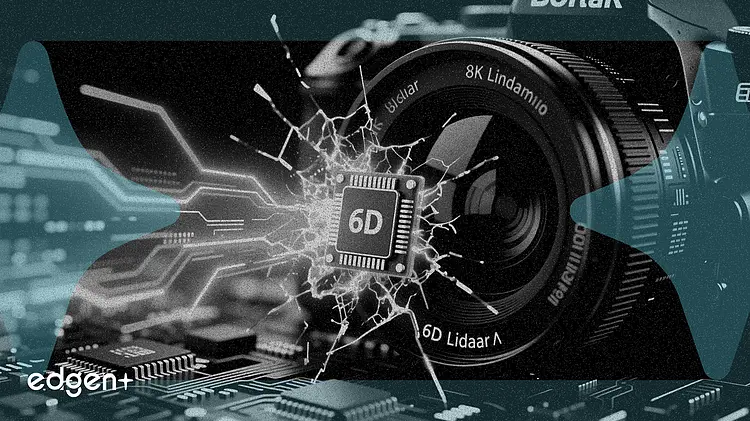
禾賽科技(Hesai Group)は、LiDARとカメラの機能を単一のチップに統合しようとしており、これは既存のマシンパーセプション(機械知覚)アーキテクチャに対する直接的な挑戦です。同社は同時に、メルセデス・ベンツのレベル3自動運転プログラム向けの戦略的供給契約を締結したことを確認しました。同社の新型「Picasso」(6DフルカラーSPAD-SoC)は、チップレベルでRGBカラーと精密な3Dジオメトリを融合させることで、ビジョンベースのシステムが苦手とする長年のエッジケースの解決を目指しています。
「2026年は、空間知覚から空間知能へと進化する戦略的パラダイムシフトを開始する、当社にとって変革の章となります」と、禾賽科技の李一帆(Yifan Li)最高経営責任者(CEO)は決算説明会で述べました。「初めて、単一のチップで統一された知覚スタックを提供し、2つの世界を融合させ、機械が物理世界を認識し理解する方法において真の飛躍をもたらします。」
この発表は、禾賽の第1四半期の純売上高が前年同期比30%増の6億8,100万人民元(9,900万ドル)に達し、8四半期連続で前年同期比成長を記録した中で行われました。LiDARの総出荷台数は47万1,000台を超えました。同社はGAAPベースで1,800万人民元の純利益を計上し、年間出荷見通しである300万台から350万台を再確認しました。新戦略を反映させるため、禾賽は「戦略的成長イニシアチブ(SGI)」セグメントを新設しました。同セグメントは研究開発投資により5,100万人民元の営業損失を記録しましたが、中核となるLiDAR事業は4,200万人民元の営業利益を創出しました。
この戦略的転換は、自動車メーカーがレベル3自動運転へ移行する中で、より多くの付加価値を取り込むことを目的としています。この移行により、車両あたりのセンサーコンテンツ価格は約200ドルから350〜1,000ドルの間に上昇します。Picassoを搭載した禾賽のETX LiDARは、最大4,320チャネルと600メートルの検知距離をサポートしており、より高いコンテンツ価値を正当化するために設計された大幅な性能向上を実現しています。このチップレベルの融合は、カメラとLiDARユニットを個別にパッケージ化する競合他社と禾賽を差別化するものであり、メルセデス・ベンツ、理想汽車(Li Auto)、シャオミ(Xiaomi)などの自動車メーカーにとって、より統合的でコスト効率の高いソリューションとなる可能性があります。
メルセデス・ベンツとの新たな供給契約は、欧州と中国のプログラムをサポートするもので、生産は禾賽のタイにある新しいガリレオ(Galileo)製造センターが担当します。同社はまた、海外展開する中国の自動車メーカーとのパートナーシップや合弁事業を通じてグローバルな足跡を広げており、広汽トヨタの2026年型bZ3Xモデルでのデザインウィン(採用)を獲得し、日本の自動車エコシステムへの参入を果たしました。
中核のLiDAR事業に加え、禾賽は「物理的AIの目と筋肉」と呼ぶものを構築するためにSGIセグメントに多額の投資を行っています。これには、フォトリアルな3D環境を生成するためのAI統合デバイス「Kosmo」や、新しいロボットアクチュエーションモジュール事業が含まれます。ファン・ペン(Peng Fan)CFOは、SGIセグメントが2026年に約1億人民元の売上を見込んでおり、2027年までに約5億人民元規模に拡大することを目指していると述べました。
同社は、LiDARシステム向けに車載グレードのモーターやエンコーダーを開発してきた深い経験が、ロボットアクチュエーター市場への自然な道筋になると信じています。詳細はほとんど明らかにされていませんが、経営陣は、自社のアクチュエーターの主要な性能指標がすでに業界最高水準に達しており、Nvidiaやテスラなどの企業がターゲットとする成長著しいヒューマノイドロボット市場にコンポーネントを供給できる体制にあると言及しました。
この記事は情報提供のみを目的としており、投資勧誘を構成するものではありません。
