
- 米国の主要住宅メーカーは施工不良の申し立てによる法的負債の急増に直面しており、D.R.ホートンの法的準備金は57%増の11億ドルに達しました。
* レナーの同様の申し立てに対する自己保険準備金は21%増の3億3,690万ドルとなり、業界全体のコスト上昇傾向を示しています。
* 住宅所有者は手抜き工事や安価な資材の使用を主張する一方、住宅メーカーは下請け業者や法律事務所による執拗な訴訟を非難しています。
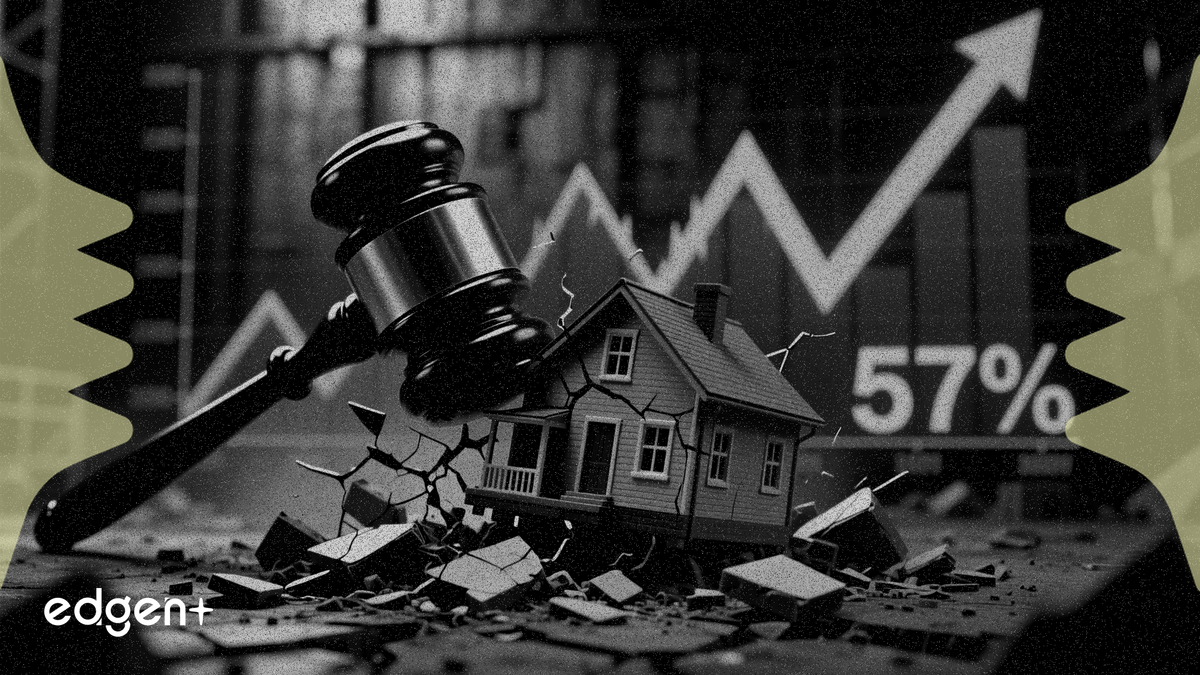
米国の主要住宅メーカーが法的負債の急増に直面しています。手抜き工事の申し立てが相次ぎ、D.R.ホートンやレナーといった企業は法廷闘争のために数億ドルの引き当てを余儀なくされています。各社の報告書によると、D.R.ホートンの法的申し立てに対する準備金は2022年度から2025年度の間に57%増の11億ドルに急増し、レナーの自己保険準備金は2025年度に21%増の3億3,690万ドルに達しました。
「ここに住むために懸命に働いてきたのに、家を楽しむことができません」と語るのは、ネバダ州ヘンダーソンにある自宅の地盤沈下をめぐってプルテグループと法的争いをしているベス・ホリオ氏です。「外でコーヒーを飲むことすらできません。外に出られないのです」と彼女は言います。広がるひび割れや基礎の沈下といったホリオ一家の経験は、住宅所有者の不満の波が広がっていることを反映しており、全米最大手の住宅メーカーにとって重大な財務リスクとなっています。
財務的な打撃は深刻です。昨年、D.R.ホートンの法的準備金のほぼすべてが施工不良関連であり、同社は405件の申し立てを5,720万ドルで解決しました。これは2022年の件数と費用の2倍以上に相当します。コストの上昇はメーカーにとっての頭痛の種であるだけでなく、高金利と労働力不足ですでに圧迫されている住宅市場全体にとって、潜在的な足かせとなる可能性があります。
エスカレートする法的コストは、すでに困難な住宅市場の舵取りを迫られている業界の利益率を圧縮する脅威となっています。保険会社が撤退し、建設コストが上昇する中で、住宅メーカーは財務リスクのより大きな部分を自ら負担することになっており、この傾向は最終的に住宅供給や消費者の購買能力に影響を与える可能性があります。
住宅所有者は施工品質の低下を指摘し、住宅メーカーが利益を維持するために安価な資材を使って手抜きをし、下請け業者の監督を怠っていると主張しています。これらの主張は多くの訴訟の核心となっており、フロリダ州のセミノール族が屋根やカビの問題を理由に450戸以上の住宅についてレナーを相手取った訴訟や、ルイジアナ州の数千人の住宅所有者が湿気関連の問題でD.R.ホートンを訴えたケースなどが含まれます。
一方、住宅メーカー側は、申し立ての件数は建設した住宅全体の極く一部に過ぎないと主張しています。欠陥の原因は下請け業者にあるとすることが多く、原告側弁護士による「訴訟ビジネス」が訴訟を煽っていると論じています。テキサス州で住宅メーカーの代理人を務めるイアン・ファリア弁護士は、「新しいコミュニティでは、原告側の弁護士が戸別訪問をして家の潜在的な問題を指摘し、所有者に訴訟を検討するよう促すことがよくある」と述べています。
住宅メーカーの法的リスクを増幅させている主な要因は、原告側弁護士が仲裁条項の無効化に成功していることです。これにより、紛争は非公開の仲裁から、住宅所有者に同情的とされることが多い州裁判所へと移されています。サウスカロライナ州の施工不良専門弁護士ジャスティン・ルーシー氏が指摘するように、ソーシャルメディアも住宅所有者がつながり、情報を共有し、組織化するためのプラットフォームを提供することで役割を果たしています。
保険会社が施工不良市場から撤退していることも問題をさらに深刻化させています。複数の住宅メーカーが、より少ない補償範囲に対してより高い保険料を支払っていると報告しており、自己保険準備金の増額を余儀なくされています。これに、専門家の証言や科学的調査を伴う高額な訴訟費用が加わると、欠陥の申し立てに対する防御はますます高コストなものとなります。セミノール族の代理人を務めるフロリダ州のビル・シェラー弁護士は、「施工不良を争うには多額の費用がかかり、家を建てるよりも多くの金を使うことになる」と語っています。
本記事は情報提供のみを目的としており、投資勧誘を目的としたものではありません。
