
홍콩의 기업 서비스 제공업체들이 러시아와 베네수엘라가 석유 제재를 회피하는 데 도움을 주는 섀도 플리트 네트워크의 핵심 노드가 되었으며, 베네수엘라 독재자 니콜라스 마두로 체포 전후로 압수되거나 제재를 받은 선박 14척 중 최소 10척이 해당 지역 법인과 연계되어 있다고 중국전략위험연구소(China Strategic Risks Institute) 보고서가 밝혔다.
홍콩의 기업 서비스 제공업체들이 러시아와 베네수엘라가 석유 제재를 회피하는 데 도움을 주는 섀도 플리트 네트워크의 핵심 노드가 되었으며, 베네수엘라 독재자 니콜라스 마두로 체포 전후로 압수되거나 제재를 받은 선박 14척 중 최소 10척이 해당 지역 법인과 연계되어 있다고 중국전략위험연구소(China Strategic Risks Institute) 보고서가 밝혔다.
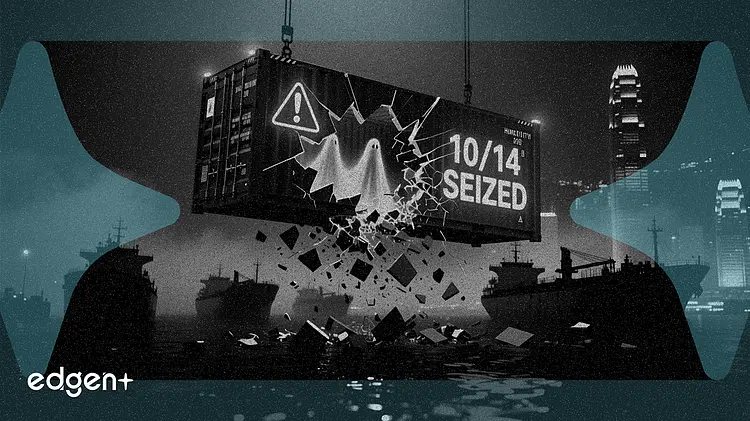
홍콩의 기업 서비스 제공업체들이 러시아와 베네수엘라가 석유 제재를 회피하는 데 도움을 주는 섀도 플리트 네트워크의 핵심 노드가 되었다. 베네수엘라 독재자 니콜라스 마두로 체포 전후로 압수되거나 제재를 받은 선박 14척 중 최소 10척이 해당 지역 법인과 연계되어 있다고 중국전략위험연구소 보고서가 밝혔다.
"국채 입찰은 BOJ의 금리 동결 가능성에 대비한 포지셔닝을 반영한다"고 노린추킨리서치(Norinchukin Research)의 수석 이코노미스트 다케시 미나미가 말했다.
미 재무부는 올해 이미 여러 홍콩 연계 기업에 제재를 가했다. 2025년 1월에는 러시아 에너지 부문에서 활동한 Sunne Co.를, 2025년 12월에는 베네수엘라 석유 부문 관여로 Corniola Ltd.와 Krape Myrtle Co. Ltd.를 제재했다. 그러나 이러한 운영을 가능하게 하는 기업 인프라는 대부분 그대로 유지되고 있다. 홍콩과 선전에 사무실을 둔 기업 비서 제공업체 Galaxy (Hong Kong) Business Co. Ltd.는 제재 선박과 연계된 최소 4개 법인의 등록 비서 역할을 해왔다. 여기에는 2025년 2월 미군이 나포한 Aquila II 유조선의 소유주로 해운 기록에 등재된 Linnet Marguerite Ltd.도 포함된다. Galaxy의 웹사이트는 "홍콩 기업은 사업 운영이 없어도 되며, 페이퍼 컴퍼니로 존재할 수 있다"고 명시하고 있다.
이러한 영향은 개별 선박 압수를 훨씬 넘어선다. 존 리 홍콩 행정장관은 유엔이 부과하지 않은 외국 제재는 홍콩에서 법적 근거가 부족하다고 시사해, 사실상 관할권 내 안전지대를 만들어 주고 있다. 2025년 말 기준 7,200개 이상의 허가된 신탁 또는 기업 서비스 제공업체가 홍콩에서 운영 중이며, 제재 회피를 위한 인프라는 해군 단속만으로는 해체하기 어려울 만큼 깊고 광범위하다.
섀도 플리트 뒤에 숨은 기업 네트워크
미군은 대양을 가로지르는 추적 끝에 2월 Aquila II를 나포했다. 당시 피트 헤그세스 국방장관은 "육지든, 하늘든, 바다든, 우리 군대가 당신을 찾아내 정의를 실현할 것"이라며 "연료가 바닥나기 전에 우리를 따돌릴 수는 없을 것"이라고 말했다. 그러나 재무부 기록에 따르면 Sunne Co.가 유조선의 실질적 소유주로 등재되어 있지만, 국제 해운 문서상 등록 소유주는 Linnet Marguerite Ltd.로, 이는 미국 제재 대상이 아닌 홍콩 기업이다. 2025년 6월, 미군이 Aquila II를 Sunne 자산으로 식별한 지 몇 달 후, Linnet Marguerite는 기업 비서를 Galaxy로 변경했다.
이러한 패턴은 여러 나포 사례에서 반복된다. Sunne이 소유한 러시아 섀도 플리트 선박이었던 Olina(구 Minerva M.)는 2026년 1월 미국 당국에 나포되었다. 당시 크리스티 노움 국토안보부 장관은 이 유조선이 베네수엘라를 출발해 "금수 석유를 운반한 혐의를 받고 있다"고 밝혔다. 해운 기록에 따르면 Olina의 등록 소유주는 Tantye Peur Ltd.로, 기업 비서가 Galaxy인 또 다른 홍콩 기업이다. 베네수엘라 석유 판매를 알선한 혐의로 압수된 다른 두 척의 유조선(M Sophia와 Sagitta) 역시 재무부에 따르면 Sunne이 소유했다.
허점을 막기 위한 정책 옵션
미국은 해군 단속 외에도 여러 수단을 보유하고 있다. 재무부는 불법 활동 뒤에 있는 페이퍼 컴퍼니를 가능하게 하는 기업 서비스 제공업체와 물류 회사에 제재를 가할 수 있다. 의회는 초당적 법안을 추진해 국무장관이 미국 내 홍콩경제무역사무소를 폐쇄할 수 있는 권한을 부여할 수 있다. 최근 영국 간첩 사건에서 이 사무소가 공산당에 의해 상업 외 목적으로 사용될 수 있음이 드러난 바 있다. 미국은 또한 홍콩을 애국자법(Patriot Act)상 주요 자금세탁 우려 관할권으로 지정해, 그곳에서 사업하는 서구 기업들에 추가적인 실사 의무를 부과할 수 있다.
미국이 마지막으로 제재 회피를 가능하게 하는 관할권에 대한 제재 집행을 강화했을 때 — 2020년 두바이 기반 무역 중개업체를 타겟으로 한 경우 — 유조선 추적 데이터에 따르면 이란의 석유 수출은 6개월 동안 하루 약 50만 배럴 감소했다. 홍콩 자유 위원회 재단(Committee for Freedom in Hong Kong Foundation)의 분석가들은 유사한 홍콩 기업 서비스 부문 단속이 섀도 플리트 운영을 통해 이동하는 제재 석유(하루 약 150만~200만 배럴로 추정)를 실질적으로 차단할 수 있다고 추정한다.
본 문서는 정보 제공 목적으로만 작성되었으며 투자 조언을 구성하지 않습니다.
