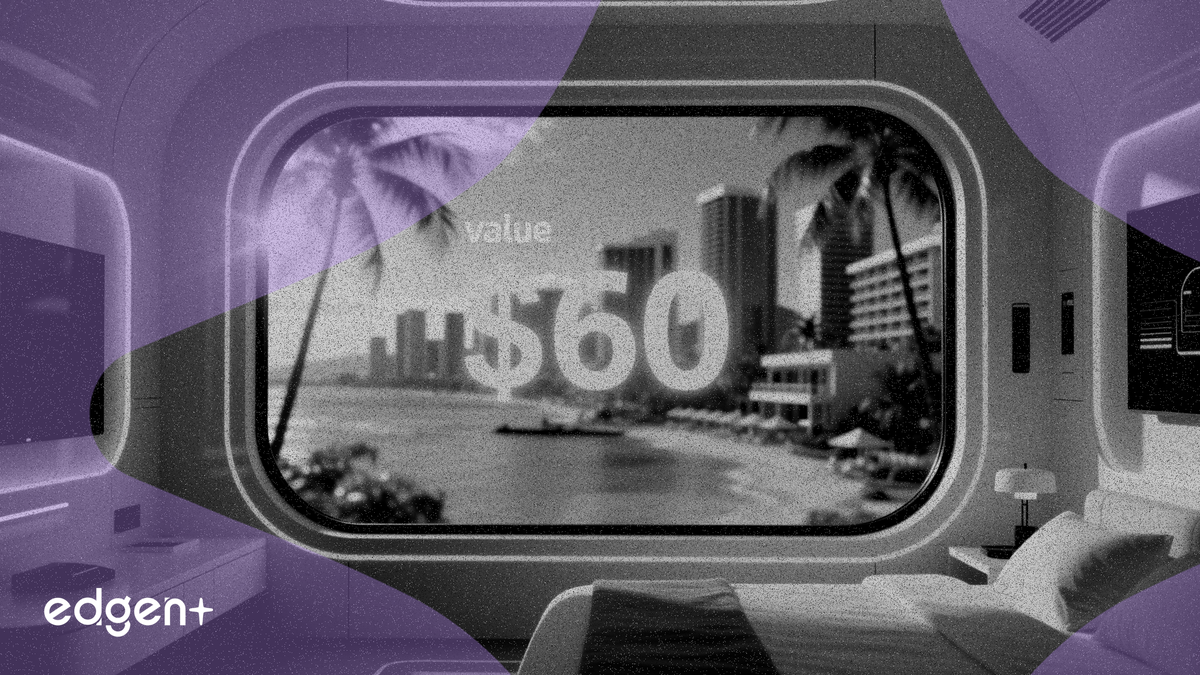
A Japanese hotel concept is testing the U.S. market with a $60-a-night offering in Honolulu, providing a stark, minimalist contrast to Waikiki’s high-priced hotel landscape where rooms average over $280. First Cabin International Hawaii, the first U.S. outpost for the capsule-hotel chain, opened a year ago on the 14th floor of an office building just a block from the beach, targeting travelers priced out of traditional lodging.
The experience, however, isn't for everyone. "This is for the birds,” said 68-year-old visitor Kathy Barksdale. Her niece, Tangie Francis, who booked the pods for a group, loved the one-night stay, highlighting the generational and travel-style divide that the model presents.
The price difference is rooted in space. The $60 "premium-economy" pod offers just 27 square feet of personal space with a ceiling height of about four feet, meaning most adults cannot stand up inside. For about $150, a "first-class" pod provides a more generous 47 square feet and a 7-foot ceiling. Both options require guests to use shared bathrooms and showers. This is a sharp departure from the average daily hotel rate in Honolulu, which was over $280 in 2025, according to data from CoStar.
For budget-conscious travelers, the proposition is simple: sacrifice space and privacy for affordability and location. In an expensive and perennially popular travel destination, the capsule hotel introduces a new, accessible price point that could capture a segment of the market that is otherwise forced into hostels or accommodations far from the prime Waikiki area.
A Minimalist Experience
Guests at First Cabin check into a cube stacked in a row, reminiscent of a futuristic dorm. The smallest pods require one to crawl into bed. Inside, there's a mattress, a small mirror, power outlets, and a TV that must be watched with headphones. There is no door, only a magnetized curtain for privacy, and no food or drink is allowed inside the pods. Suitcases are stored in open cubbies or separate lockers.
The shared women's bathroom features multiple stations with stools, hair dryers, and curling irons, but it remains a public space. While generally clean, the experience of sharing facilities with dozens of "roommates" is a significant departure from a typical hotel stay and more aligned with upscale hostel living.
Getting Around Oahu
For travelers who opt for budget accommodations like First Cabin, saving on transport is also a key consideration. While renting a car offers the most freedom to explore Oahu, it comes with costs and the hassle of parking in congested areas like Waikiki.
Oahu's public bus system, TheBus, is an affordable and extensive alternative. A one-day pass costs just $5.50, and the bus routes cover most of the island, including popular attractions outside of Honolulu. For travel within the main tourist areas, the Waikiki Trolley offers a hop-on, hop-off service with multi-day passes that can be cost-effective for sightseers. Walking is also a viable option for destinations within Waikiki itself, such as the beach and Ala Moana Center.
This article is for informational purposes only and does not constitute investment advice.