

IBM and Red Hat are deploying 20,000 engineers and frontier AI to fix open source vulnerabilities at scale, backed by a $5 billion commitment.
IBM and Red Hat are deploying 20,000 engineers and frontier AI to fix open source vulnerabilities at scale, backed by a $5 billion commitment.
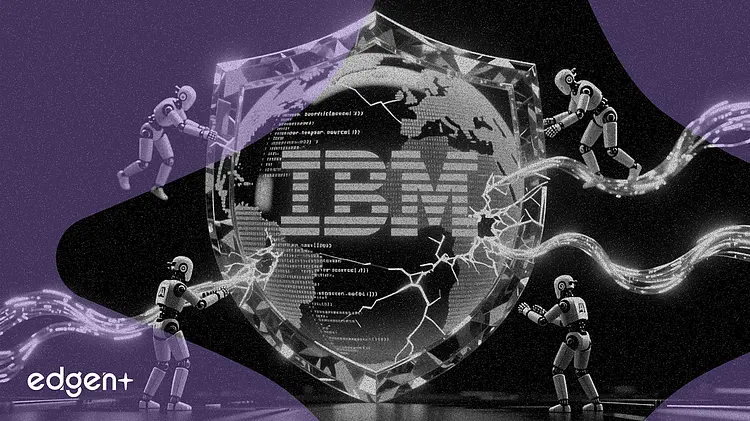
IBM and Red Hat committed $5 billion to Project Lightwell, a clearinghouse that uses frontier AI and 20,000 engineers to identify and patch open source vulnerabilities across enterprise software supply chains.
"Open source is the backbone of today's digital economy and the foundation of modern AI, and we are at an inflection point in how it is built, secured, and scaled," Arvind Krishna, chairman and chief executive officer of IBM, said. "With Project Lightwell, IBM and Red Hat are helping define a new industry model, one that brings together AI, engineering expertise, and trusted collaboration, to secure open source software at its source and across the entire supply chain."
The initiative comes as AI-driven vulnerability discovery accelerates. Anthropic's Mythos Preview model identified nearly 3,900 high- or critical-severity vulnerabilities in open source code alone. More than 90 percent of Fortune 500 companies rely on open source software, according to IBM. The clearinghouse will offer commercial subscriptions for validated patches, upstream disclosure coordination, and enterprise-grade lifecycle management.
The model directly challenges the prevailing industry trend of using AI to reduce technical headcount. IBM is instead positioning engineering capacity as a strategic asset, deploying the 20,000-strong force across upstream maintenance, vulnerability triage, and patch development. Early adopters include Bank of America, Citi, Goldman Sachs, JPMorganChase, Mastercard, Morgan Stanley, and Visa — giving IBM real-world feedback from the financial sector's most complex software environments.
The Clearinghouse Model
Project Lightwell builds on IBM and Red Hat's existing enterprise open source operations. IBM already uses more than 62,000 open source packages, with deep expertise across 10,000. The company manages technologies including Linux, Java, Kubernetes, Kafka, Ansible, Terraform, Flink, and Cassandra — one of the industry's broadest commercial open source ecosystems. The clearinghouse extends this discipline beyond IBM's own product footprint to independent libraries, language toolchains, AI frameworks, and data streaming platforms.
Through the clearinghouse, enterprises can report vulnerabilities discovered in their active software versions, receive patches optimized for production environments, and coordinate upstream disclosures so open source communities can include fixes in long-term maintenance. The model incorporates learnings from Anthropic's Project Glasswing and OpenAI's Trust Access for Cyber initiatives, with IBM applying its own agentic security methods to protect the foundational open source layers underpinning modern enterprise and AI systems.
Investment Implications
For investors, Project Lightwell signals a strategic bet that enterprise security spending will shift toward managed open source risk. IBM is effectively creating a new subscription category — the open source security clearinghouse — that could generate recurring revenue from the same financial institutions already spending on Red Hat subscriptions and IBM consulting. The early adopter list, dominated by global systemically important banks, suggests the product addresses a pain point that internal security teams have struggled to solve alone.
IBM shares trade at roughly 22 times forward earnings. The $5 billion commitment, spread over multiple years, represents a meaningful but manageable bet for a company with $62 billion in annual revenue. If the clearinghouse model gains traction, it could pressure competitors such as Snyk, Sonatype, and GitHub's Dependabot to expand their own managed security offerings. The broader implication: as AI accelerates vulnerability discovery, the cost of securing open source is rising — and enterprises are increasingly willing to outsource that risk to vendors with scale.
This article is for informational purposes only and does not constitute investment advice.
