

Key Takeaways:
- Intel's Xeon 6 and Arc Pro B60 power TPIsoftware's on-premises AI platform
- The sovereign AI deal targets Asia-Pacific markets with strict data laws
- Intel competes in inference against Nvidia and AMD at lower cost
Key Takeaways:
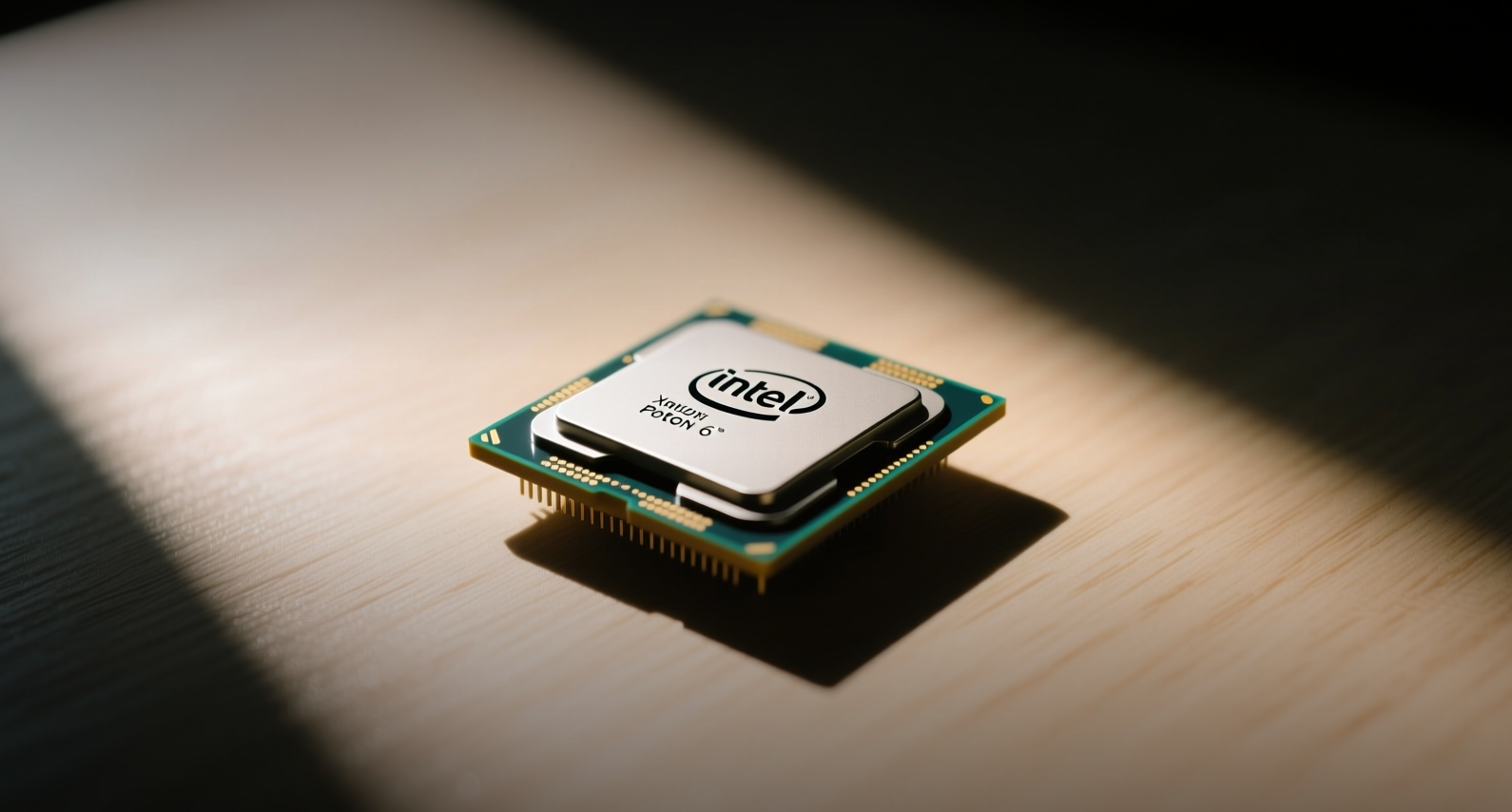
Intel's Xeon 6 processors and Arc Pro B60 GPUs are powering TPIsoftware's on-premises AI platform, opening a new revenue stream in sovereign AI as Asia-Pacific enterprises demand data autonomy.
Intel Corp. is gaining traction in sovereign AI as TPIsoftware adopts Xeon 6 processors and Arc Pro B60 GPUs for on-premises enterprise generative AI, targeting Asia-Pacific markets where data sovereignty is becoming a competitive requirement.
"The adoption of Intel Xeon 6 and Intel Arc Pro B60 is a significant milestone in our promotion of the AISO Sovereign AI Software-Hardware Integration Ecosystem," Ben Yao, Chairman of TPIsoftware, said.
TPIsoftware's SysTalk.VIKI platform, which runs entirely on customer premises, demonstrated strong inference performance and low latency in preliminary tests using the Intel Arc Pro GPU, making it suited for high-concurrency enterprise workloads. The Taipei-based company, a member of the Intel Partner Alliance, plans to expand into Singapore, Vietnam and Japan.
The partnership gives Intel a foothold in the sovereign AI segment, where enterprises and governments seek alternatives to cloud-based AI services that require sending data to third-party servers. Intel shares, trading at about 121 times forward earnings, have room to re-rate if the sovereign AI pipeline converts to revenue, analysts said.
Santhosh Viswanathan, Vice President and Managing Director for Intel Asia Pacific and Japan, said the combination of Xeon 6 and Arc Pro B60 gives customers "a powerful, on-premises foundation for GenAI that lowers cost, improves responsiveness, and keeps sensitive data under their own sovereignty."
The Arc Pro B60 competes in the inference segment against Nvidia Corp.'s L40S and Advanced Micro Devices Inc.'s Radeon Pro W7900. While Nvidia dominates AI training with an estimated 80% market share, Intel is positioning its Xeon-Arc combination as a lower-cost alternative for inference workloads where total cost of ownership matters more than peak floating-point performance.
TPIsoftware, listed on the Taipei Exchange under ticker 7781, focuses on regulated industries including finance and healthcare — sectors where data localization laws in Japan, Singapore and Vietnam require customer data to remain within national borders. The company's AISO ecosystem integrates its GenAI platform with API management middleware and an AI Gateway to enforce compliance.
The sovereign AI market is emerging as a distinct growth vector for chipmakers. Unlike the hyperscale data center buildout driven by Microsoft Corp., Amazon.com Inc. and Alphabet Inc., sovereign AI targets government agencies and financial institutions that cannot route sensitive data through US-based cloud infrastructure.
For investors, the TPIsoftware win provides a potential catalyst beyond Intel's core data center recovery. If the deployment scales across Asia-Pacific, it could validate Intel's thesis that on-premises AI represents a multi-billion-dollar addressable market distinct from the GPU-centric training boom. Intel's foundry business has yet to secure a marquee external customer, but the product group's ability to generate design wins in AI inference suggests the company can compete without relying on leading-edge transistor technology alone.
This article is for informational purposes only and does not constitute investment advice.
