

The definition of military infrastructure is expanding as Iran’s April 2 strike on an Amazon data center in Bahrain marks the fourth such attack on cloud facilities in under two months.
The definition of military infrastructure is expanding as Iran’s April 2 strike on an Amazon data center in Bahrain marks the fourth such attack on cloud facilities in under two months.
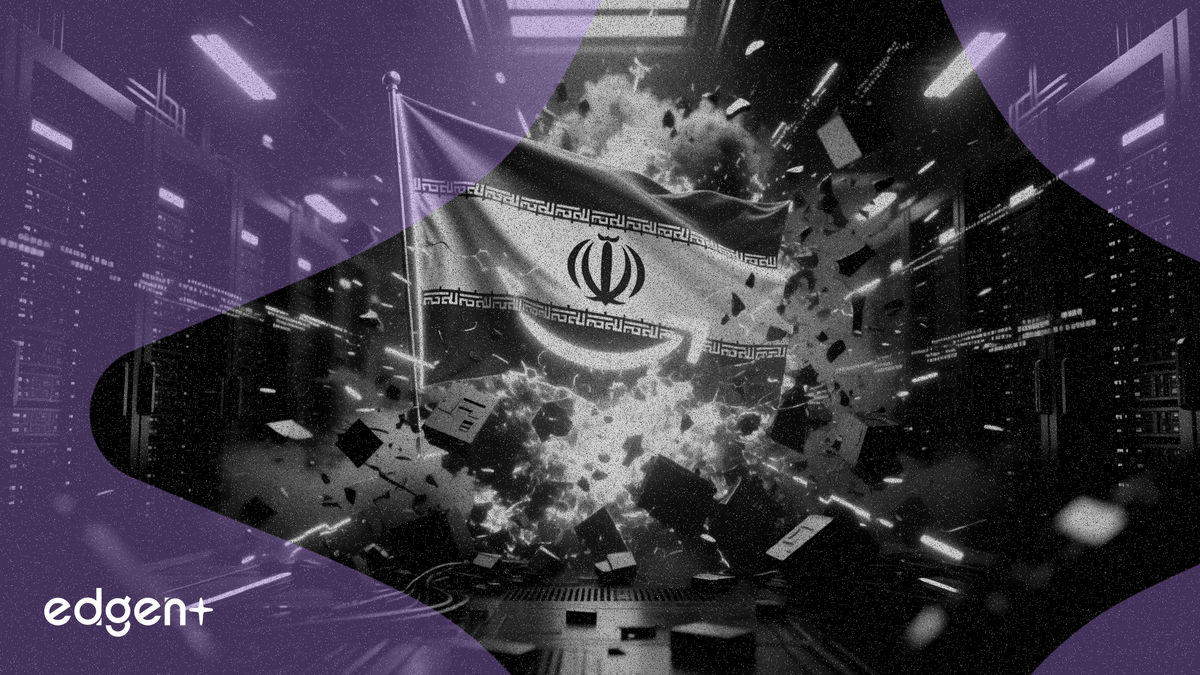
Iran's Islamic Revolutionary Guard Corps (IRGC) has confirmed it struck an Amazon Web Services (AWS) data center in Bahrain, escalating its conflict with the US by directly targeting digital infrastructure and creating a new class of geopolitical risk for the $1.8 trillion technology sector.
"As this situation evolves and, as we have advised before, we request those with workloads in the affected regions continue to migrate to other locations,” an Amazon spokesperson said to Reuters, acknowledging the disruption caused by drone activity in the region.
The April 2 attack on the Batelco-hosted facility in Bahrain follows at least three prior strikes on AWS infrastructure in the Gulf region since March 1, including two direct hits on data centers in the UAE. Iran's IRGC claimed the latest strike was part of its "True Promise-4" operation, targeting a facility it alleged was linked to espionage activities.
The attacks signal a major shift in modern warfare, turning the once-neutral cloud infrastructure into a high-value military target. This forces a re-evaluation of tech giants like Amazon, Google, and Microsoft, whose data center assets are now on the front lines, potentially requiring a "geopolitical risk discount" to their valuations, which previously focused primarily on growth.
The strike on the AWS facility, which is operated in Bahrain by regional telecom firm Batelco, marks a deliberate expansion of conflict from physical energy assets to the digital economy's core infrastructure. While data centers have been targets of cyberattacks for years, the use of kinetic weapons like drones and missiles against them is a significant escalation. Analysts note that data centers are vulnerable targets; they are large, require constant power and cooling, and often lack the dedicated air defenses of traditional military sites.
The strategic importance of these facilities has surged with the growth of artificial intelligence. The U.S. military utilizes commercial cloud services from providers like Amazon for AI-driven intelligence analysis and operational support. Though U.S. regulations typically require military data to be stored on U.S. soil, Iran's public statements show it considers these commercial data centers as supporting the enemy's military activities, making them legitimate targets.
This new reality was underscored when Iran's IRGC released a list of 18 U.S. technology companies it now considers military targets. The list includes not only cloud providers like Amazon, Microsoft, and Google, but also AI firms like Palantir and Nvidia, and even the UAE-based AI company G42. The inclusion of these firms formalizes the "de-neutralization" of commercial tech infrastructure in conflict zones.
For investors, this introduces a new variable. Amazon's stock saw a 2.7 percent drop in early trading following the news, a direct market reaction to the increased geopolitical risk. The event suggests that valuations for hyperscale cloud providers and AI-related companies may need to incorporate a risk premium similar to that of oil producers or shipping companies operating in volatile regions. The long-term impact could stifle technology investment in the Gulf, a region that has been pouring billions into becoming a hub for artificial intelligence.
This article is for informational purposes only and does not constitute investment advice.