
Dünya petrolünün beşte birinin geçiş noktası olan Hürmüz Boğazı'nı kontrol etmeye yönelik yeni İran önerisi, halihazırda ABD'ye 29 milyar dolara mal olan bir çatışmanın ekonomik yansımalarını tırmandırmakla tehdit ediyor.
Dünya petrolünün beşte birinin geçiş noktası olan Hürmüz Boğazı'nı kontrol etmeye yönelik yeni İran önerisi, halihazırda ABD'ye 29 milyar dolara mal olan bir çatışmanın ekonomik yansımalarını tırmandırmakla tehdit ediyor.
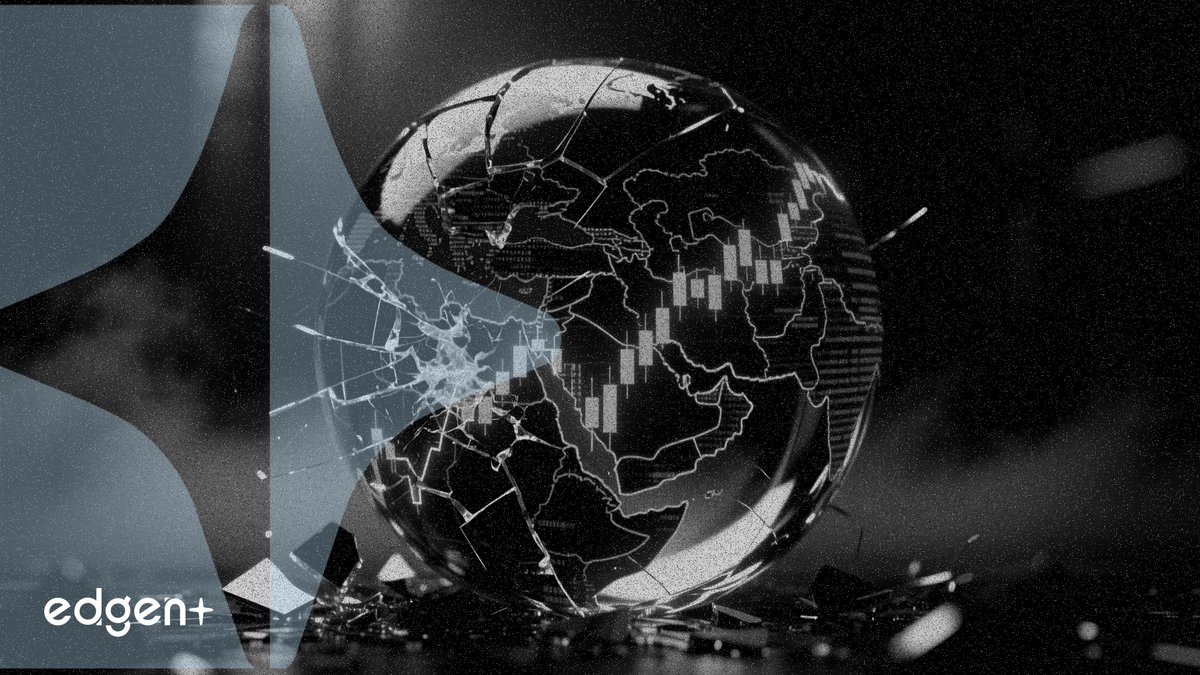
İran parlamentosu, Hürmüz Boğazı için "akıllı yönetim" planını inceliyor; bu hamle, ABD-İran savaşının maliyeti 29 milyar dolara tırmanırken coğrafi tıkanıklık noktasını stratejik bir koz olarak kullanmak üzere tasarlandı.
İran parlamentosunun Ulusal Güvenlik ve Dış Politika Komisyonu Başkanı İbrahim Azizi, devlet yayın kuruluşu IRIB tarafından aktarılan açıklamasında, "Füze üçlüsü, halk ve Hürmüz Boğazı, 50 yıllık ABD çabalarının ürününü yerle bir etti" dedi.
Teklif, bölgesel gerilimlerin Brent ham petrol vadeli işlemlerini varil başına 107 doların üzerinde tuttuğu ve Çalışma Bakanlığı'nın son verilerine göre ABD tüketici gıda fiyatlarının yıllık yüzde 3,2 artış gösterdiği bir dönemde ortaya çıktı. Pentagon'un iki haftada 4 milyar dolar artan yeni 29 milyar dolarlık savaş maliyeti tahmini, ekipman değişimi ve operasyonel harcamaları içeriyor.
İsrail de dahil olmak üzere İran'a düşman olduğu düşünülen ulusların gemileri için geçişi kısıtlayabilecek olan plan, Tahran'ın bu hayati su yolu üzerindeki kontrolünü resmileştirmeyi amaçlıyor. Bu durum, uluslararası serbest seyrüsefer normlarına meydan okuyor ve 8 Nisan'da başlayan mevcut kırılgan ateşkesin sona ermesinden çok sonra bile küresel enerji piyasaları için kalıcı bir belirsizlik yaratıyor.
28 Şubat'ta başlayan çatışmanın artan mali bedeli, Temsilciler Meclisi Ödenekler savunma alt komitesi oturumunda ayrıntılandırıldı. Pentagon Denetçisi Jules Hurst, maliyetin yaklaşık 29 milyar dolara ulaştığını belirterek, Nisan sonundan bu yana gerçekleşen 4 milyar dolarlık artışı güncellenmiş ekipman onarım ve değişim maliyetleri ile devam eden operasyonel giderlere bağladı.
Ayrı bir Senato oturumunda, Savunma Bakanı Pete Hegseth yönetimin stratejisiyle ilgili sorularla karşılaştı. Milletvekilleri, Bölge Yüksek İrtifa Hava Savunması (THAAD) önleyici füzelerinin Güney Kore'den Orta Doğu'ya transferini sorguladı. Hegseth, hamlenin önceden planlandığını belirterek, komutanların savaşa hazırlanmak için "mümkün olan her önlemi" aldığını savundu.
Çatışmanın popülerliğini yitirmesi, ara seçimler öncesinde Cumhuriyetçiler için büyüyen bir endişe kaynağı. Ancak Başkan Donald Trump, İran'ın nükleer silah edinmesini önlemenin tek motivasyonu olduğunu belirterek gazetecilere, "Amerikalıların mali durumunu düşünmüyorum. Bir nebze bile olsa," dedi.
Dünya petrol arzının yaklaşık beşte birini yöneten Hürmüz Boğazı'nın kapatılması tüketicileri doğrudan etkiliyor. Nisan ayında ABD tüketici enflasyonu son üç yılın en büyük artışını gördü ve gıda fiyatları bunda önemli bir pay sahibi oldu. Çalışma Bakanlığı'nın bildirdiğine göre, evde tüketilen gıda fiyatları yıllık bazda yüzde 2,9 artarken, genel gıda fiyatları yüzde 3,2 yükseldi.
Purdue Üniversitesi'nden ekonomistler, enerji şokunun gıda fiyatları üzerindeki tam etkisinin, yüksek nakliye, işleme ve paketleme maliyetlerinin tedarik zinciri boyunca ilerlemesi nedeniyle üç ila altı ay daha hissedilmeyebileceğini kaydetti.
Gerilimler uluslararası manevraları tetikledi. İtalya, "tamamen ihtiyati bir önlem" olarak iki mayın tarama gemisini boğaza yaklaştırdığını duyururken, çatışmalar kesin olarak sona ermeden yeni bir askeri görevi dışladı. Bu arada, bir Çin ham petrol tankerinin boğazdan geçtiği görüldü; bu durum, Trump ile Devlet Başkanı Şi Cinping arasındaki zirve öncesinde Pekin'in bölgeye olan süregelen ilgisini vurguluyor.
İran dışişleri bakanlığı da deniz güvenliği ve boğaz için geçiş düzenlemelerini görüşmek üzere Norveç ve Azerbaycan'dan yetkililerle görüşmeler yaparak Tahran'ın su yolu için yeni bir yasal ve operasyonel düzen kurma niyetinin sinyalini verdi.
Bu makale sadece bilgilendirme amaçlıdır ve yatırım tavsiyesi teşkil etmez.
