

Key Takeaways: JPMorgan Chase now treats Bitcoin like a Treasury on its collateral schedule, and the rest of Wall Street is scrambling to catch up.
Key Takeaways: JPMorgan Chase now treats Bitcoin like a Treasury on its collateral schedule, and the rest of Wall Street is scrambling to catch up.
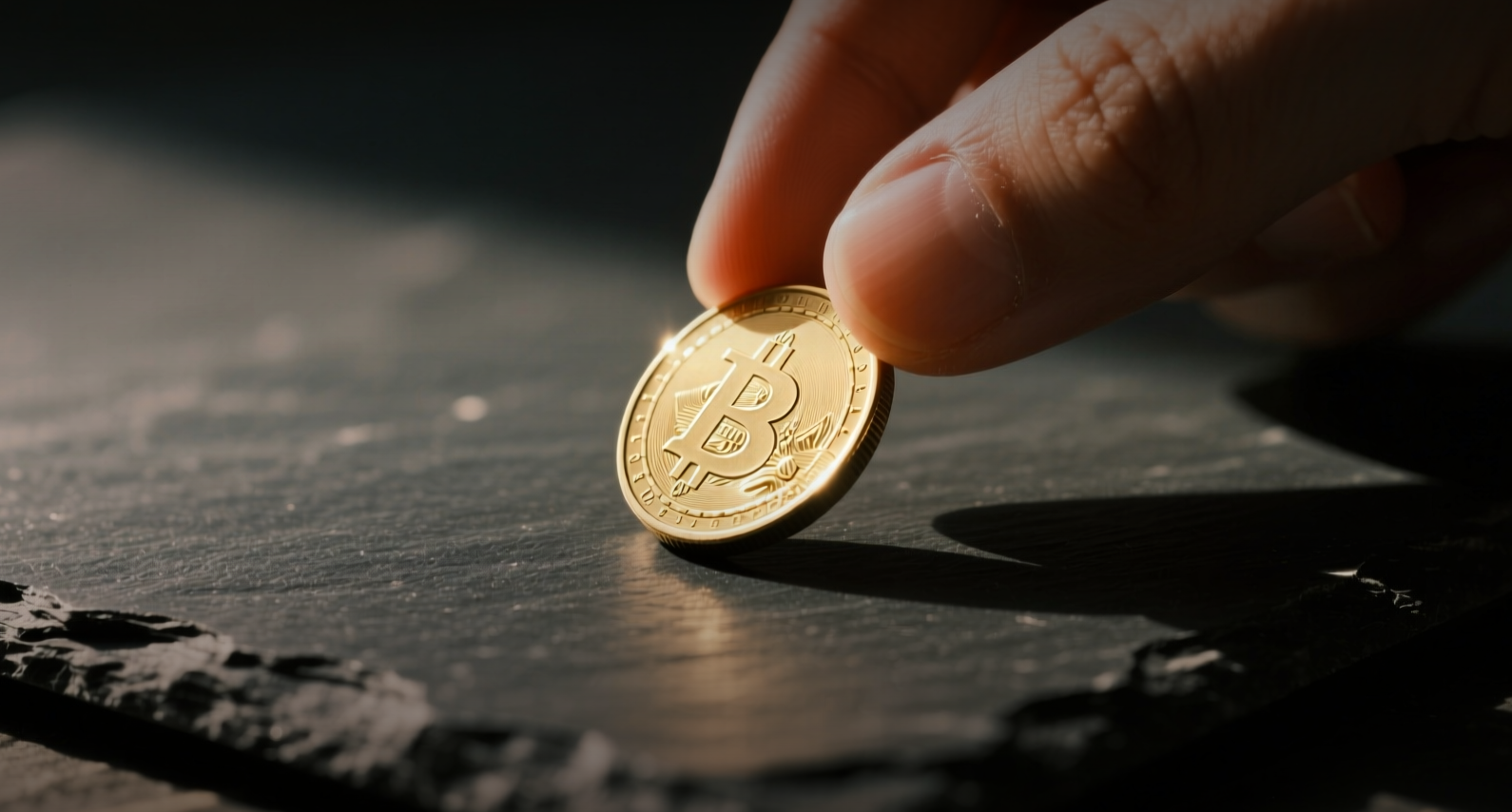
JPMorgan Chase now lets institutional clients pledge Bitcoin and Ethereum as collateral for dollar loans, applying 30% to 50% haircuts through its Kinexys platform.
"JPMorgan has gone from crapping all over bitcoin to offering mortgage products backed by crypto holdings in roughly 18 months," Eric Trump said at Consensus Miami 2026, capturing the speed of the reversal.
The pledged tokens never leave cold storage at Fidelity Digital Assets or Coinbase Custody, while real-time price feeds from Chainlink continuously revalue the collateral and trigger automatic margin calls. Kinexys, formerly Onyx, processes more than $5 billion in daily transaction volume and has settled over $3 trillion cumulatively since launch. Bitcoin traded at $63,515 as of 04:00 UTC, up 0.7% over 24 hours.
The move forces every competitor to answer the same question, with Goldman Sachs, Citigroup, and Bank of America building a tokenized deposit network set to launch in the first half of 2027. A client pledging $1 million in Bitcoin receives between $500,000 and $700,000 in financing, compressing the gap between crypto and traditional collateral faster than analysts expected.
Jamie Dimon's public disdain for Bitcoin has been a fixture of earnings calls since 2017. He called it a fraud, compared it to tulip mania, and warned employees that trading it would be grounds for termination. Yet the bank's technology division was hiring blockchain engineers and filing patents on tokenized settlement systems while the CEO kept up the public skepticism. That dynamic, where engineering runs ahead of executive messaging, is common in large financial institutions. It happened with derivatives in the 1980s and electronic trading in the 1990s.
The haircut range reveals how seriously the bank treats the asset class. U.S. Treasuries carry haircuts of 1% to 5%, investment-grade corporate bonds sit at 5% to 15%, and gold attracts 10% to 25%. JPMorgan's 30% to 50% range for Bitcoin reflects realized volatility that has averaged roughly 50% to 70% annualized over the past five years. When Goldman Sachs first explored Bitcoin-backed lending through tri-party repo arrangements, internal models suggested haircuts as high as 70%. The compression from 70% to a midpoint near 40% reflects both declining volatility and growing confidence in custodial infrastructure.
The shift from speculative asset to pledgeable collateral rewires incentive structures. A corporate treasurer holding $50 million in Bitcoin can borrow against that position to fund operations without triggering a taxable event. It also introduces a new class of forced sellers: margin calls on crypto-collateralized loans create liquidation pressure that did not exist when Bitcoin sat outside the banking system.
The competitive cascade is already visible. JPMorgan has filed to issue bitcoin-backed structured notes tied to BlackRock's IBIT exchange-traded fund, offering leveraged returns of up to 1.5x. The bank also increased its IBIT position by an estimated 325%, now holding $650 million worth of the fund. Goldman Sachs is expected to announce similar products before the end of the third quarter. JPMorgan's own analysts have argued that Bitcoin has pulled decisively ahead as the institutional base layer, with spot Bitcoin ETFs recovering roughly two-thirds of their October 2025 outflows while spot Ethereum ETFs clawed back only about one-third.
The next 12 months will determine whether the program is a permanent structural shift or an experiment walked back under pressure. If Goldman Sachs, Morgan Stanley, and at least one European universal bank launch comparable programs by mid-2027, the shift is durable. If haircuts tighten from 30% to 50% toward 20% to 35%, the bank's risk models are being confirmed by actual loss experience. The first 20%-plus drawdown in Bitcoin while significant collateral is pledged will reveal whether the liquidation mechanisms work as designed.
This article is for informational purposes only and does not constitute investment advice.
