

JPMorgan Chase’s chief executive officer says artificial intelligence will be more transformative than any technology since the printing press, eventually allowing for a shorter workweek.
JPMorgan Chase’s chief executive officer says artificial intelligence will be more transformative than any technology since the printing press, eventually allowing for a shorter workweek.
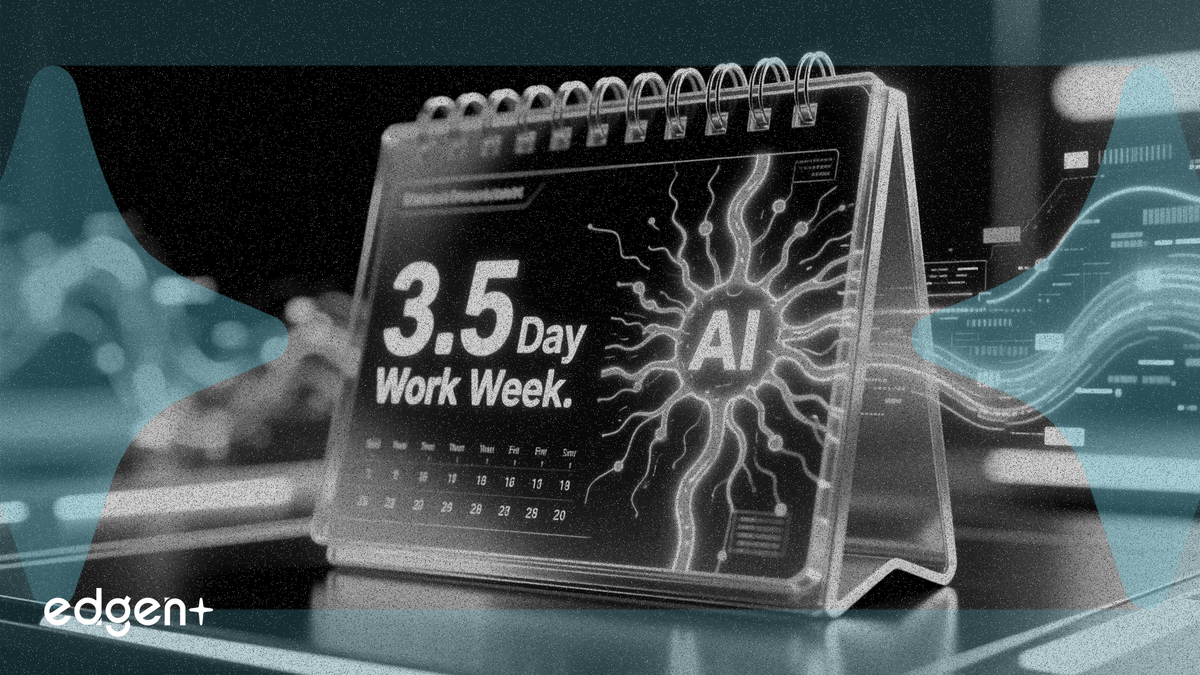
JPMorgan Chase & Co. Chief Executive Officer Jamie Dimon said artificial intelligence will have a profound impact on the firm, affecting nearly every job and ultimately enabling future generations to work only 3.5 days a week.
"I do not think it is an exaggeration to say that AI will... eventually reduce the workweek in the developed world,” Dimon wrote in his annual letter to shareholders. “People will live longer and safer.”
While predicting a radically different work-life balance in 30 years, Dimon acknowledged that the technology will “definitively eliminate some jobs.” The bank, which employs around 320,000 people, has already started using AI to improve customer service and has "huge redeployment plans" for its workforce.
For the largest U.S. bank by assets, the strategic embrace of AI is not about speculative investment but a core competitive necessity against both traditional finance rivals and agile fintech startups. Dimon’s vision frames AI as a tool for massive productivity gains that could reshape the firm's entire operational structure.
Dimon detailed a management strategy to win "competitive battles" by using small, autonomous teams, likening them to "Navy SEALs or the Army's Delta Force." This approach, also being adopted by tech giants like Meta, suggests JPMorgan aims to pair the agility of a startup with the scale of an incumbent, using focused groups to drive AI implementation in specific areas from investment banking to client services.
Despite the focus on technology, Dimon’s advice for young professionals centers on human skills. He urged the next generation to develop emotional intelligence (EQ), curiosity, and a strong work ethic, suggesting these qualities will be paramount in an AI-driven world. He proposed that governments and businesses must collaborate on retraining and income assistance programs to manage the workforce transition, even suggesting a willingness to accept restrictions on layoffs to avoid "civil unrest."
Dimon's letter positions JPMorgan not just as a user of AI, but as a leader in its strategic implementation within finance. This narrative is critical for investors, justifying the heavy capital expenditure on technology. While the 3.5-day workweek is a long-term vision, the immediate focus on redeploying staff and using small, agile teams signals a clear strategy to boost productivity and efficiency, potentially widening its competitive moat against other major banks like Bank of America and Goldman Sachs who are also investing heavily in AI.
This article is for informational purposes only and does not constitute investment advice.