
A federal judge ruled the Pentagon's blacklisting of Anthropic was illegal, a major victory for the AI company.
A federal judge ruled the Pentagon's blacklisting of Anthropic was illegal, a major victory for the AI company.
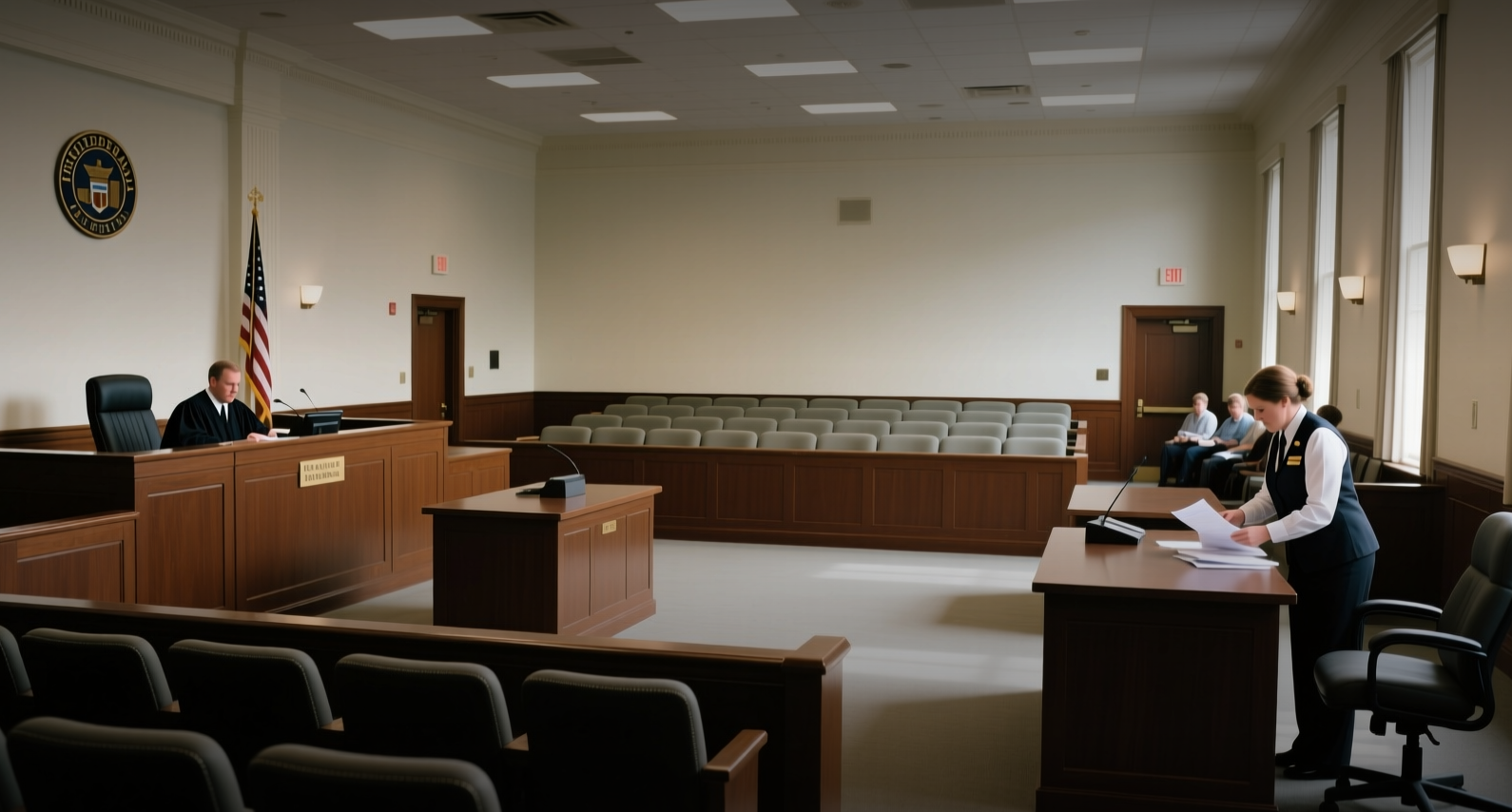
US District Judge Rita Lin blocked the Pentagon's blacklisting of Anthropic, ruling in a 59-page order that the designation was "illegal and baseless" and retaliated against the AI company's views on battlefield AI.
"The empty invocation of national security is not a blank check to punish and retaliate against government critics," Lin, an appointee of former President Joe Biden, wrote in the order issued Thursday night.
The ruling stems from Defense Secretary Pete Hegseth's unprecedented decision to designate Anthropic a national security supply-chain risk under an obscure government-procurement statute — the first time a US company has been publicly labeled under that authority. The statute was originally designed to protect military systems from foreign sabotage, not to police the political views of domestic contractors. The designation followed Anthropic's refusal to allow the military to use its Claude AI models for US surveillance or autonomous weapons. Anthropic executives said the ban could cost the company billions of dollars in lost business and reputational harm.
The ruling removes a major obstacle for Anthropic as it pursues federal contracts and reportedly prepares for a potential IPO. A second lawsuit remains pending in Washington, DC, over a separate Pentagon designation that could exclude Anthropic from civilian government contracts.
Anthropic filed its lawsuit on March 9, alleging the government violated its First Amendment right to free speech by retaliating against the company's views on AI safety. The company also claimed it was denied the chance to dispute the designation, violating its Fifth Amendment right to due process. The lawsuit called the decision unlawful, unsupported by facts, and inconsistent with the military's past praise of Claude.
During a July 30 hearing, Lin described the government's position as "really troubling" and "at odds with the First Amendment," adding that the record had "gotten worse for the government" over time.
The Justice Department countered that Anthropic's refusal to lift restrictions could create uncertainty in the Pentagon over how it could use Claude and risk disabling military systems during operations. The government maintained the designation stemmed from Anthropic's refusal to accept contractual terms, not its views on AI safety.
The case centers on a fundamental disagreement about AI reliability. Anthropic argues that current AI models are not reliable enough to be safely deployed in autonomous weapons, where a model error could have lethal consequences. The company also opposes using its technology for domestic surveillance, which it says violates constitutional rights. The Pentagon, by contrast, maintains that private companies should not be able to constrain military action, and that the designation was a procurement decision rather than a political one.
The decision could reshape how AI companies negotiate with the Pentagon. Anthropic welcomed the ruling, stating it remained "focused on working productively with the government to harness AI for our national security so all Americans benefit from this technology." The Pentagon did not immediately respond to a request for comment.
The ruling also carries implications for the broader AI industry. OpenAI and Google have both pursued military and government contracts, and the legal precedent set here could affect how the government handles AI companies that impose safety restrictions on their technology. The government is expected to appeal the ruling, and the case could ultimately reach the Supreme Court if appellate courts split on the constitutional questions raised.
For investors, the decision removes a significant regulatory overhang on Anthropic as it reportedly moves toward a public listing. The company's ability to pursue federal contracts — a market worth tens of billions of dollars across defense and civilian agencies — is now substantially clearer than it was before Thursday's ruling. The ruling also establishes that courts may scrutinize government actions against AI companies that take public positions on AI safety, a factor that could influence how other AI firms approach military contracting negotiations.
This article is for informational purposes only and does not constitute investment advice.
