
A mother and daughter in rural Kentucky turned down $26.48 million rather than let their family's 200-year-old farmland become an AI data center.
A mother and daughter in rural Kentucky turned down $26.48 million rather than let their family's 200-year-old farmland become an AI data center.
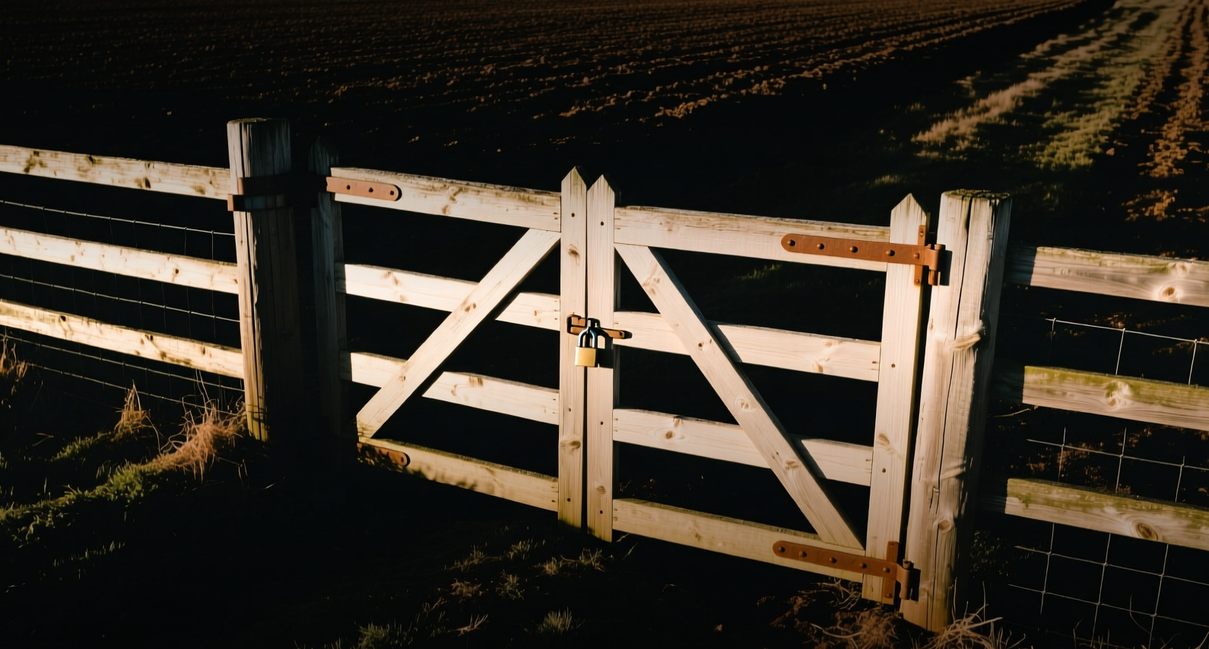
A mother and daughter in rural Kentucky turned down $26.48 million rather than let their family's 200-year-old farmland become an AI data center.
Community resistance in Maysville, Kentucky has stalled a 2.2-gigawatt hyperscale data center tied to Meta, after two landowners rejected a $26.48 million offer and filed lawsuits that postponed land purchases worth tens of millions.
"Some of those people would have gone their entire lives without being brought into a courtroom, let alone being sued by a neighbor who lives 3 miles down the street," Tyler McHugh, economic development director at the Maysville-Mason County Industrial Development Authority, said.
The project, covering more than 2,000 acres, involves land agreements totaling $110 million. It would create 400 full-time jobs and hundreds more in construction in a county with a working-age population of 11,000, plus $15 million for police, ambulance and fire services and an $80 million water utility upgrade.
A judge dismissed one of the two lawsuits on Friday, which McHugh expects will resume the process, but the second case remains ongoing. The legal uncertainty has already held back checks worth tens of millions to farmers who had expected a windfall by now.
Delsia Bare, 54, and her mother, Ida Huddleston, 83, initially agreed to sell 534 acres — 463 at $48,000 apiece and 71 at $60,000 per acre — before learning the buyer planned a hyperscale data center. Bare revoked the agreements, telling the representative to "kick rocks and don't come back."
The identity of the company has been unknown, but public-records requests surfaced hundreds of pages of land studies filed by an LLC established for "Project Crisham," whose fiduciary director, Pamela Gregorski, has worked on several data-center projects later revealed to be Meta sites. A Meta spokesman said no decision has been made about working in the area.
The dispute has frayed Maysville's social fabric, where one in four residents lives below the poverty line and median household income is about $39,000 — less than half the national figure. McHugh estimates the town splits 20% adamantly opposed, 20% adamantly in support, and 60% who "would like it to be done and dusted so they don't have to hear about it anymore."
Opponents, a bipartisan coalition in a county that has voted Republican in every presidential election since 1984, filed two suits in July to amend a data-center ordinance and reverse the rezoning. A Kentucky statute required them to sue their own neighbors who had authorized the rezoning.
The Maysville standoff is one of the clearest examples yet of the rising friction costs facing hyperscalers racing to secure land and power for AI buildouts. Meta, Microsoft, Amazon and Google have committed tens of billions in annual data-center capital spending, and rural communities are increasingly pushing back over water usage, noise and opaque land-acquisition processes.
For Meta, the legal uncertainty has already postponed closing purchase agreements worth tens of millions. The company could build elsewhere, but the episode shows how community resistance can delay even well-funded projects — a factor investors are beginning to price into hyperscaler capital-expenditure plans.
This article is for informational purposes only and does not constitute investment advice.
