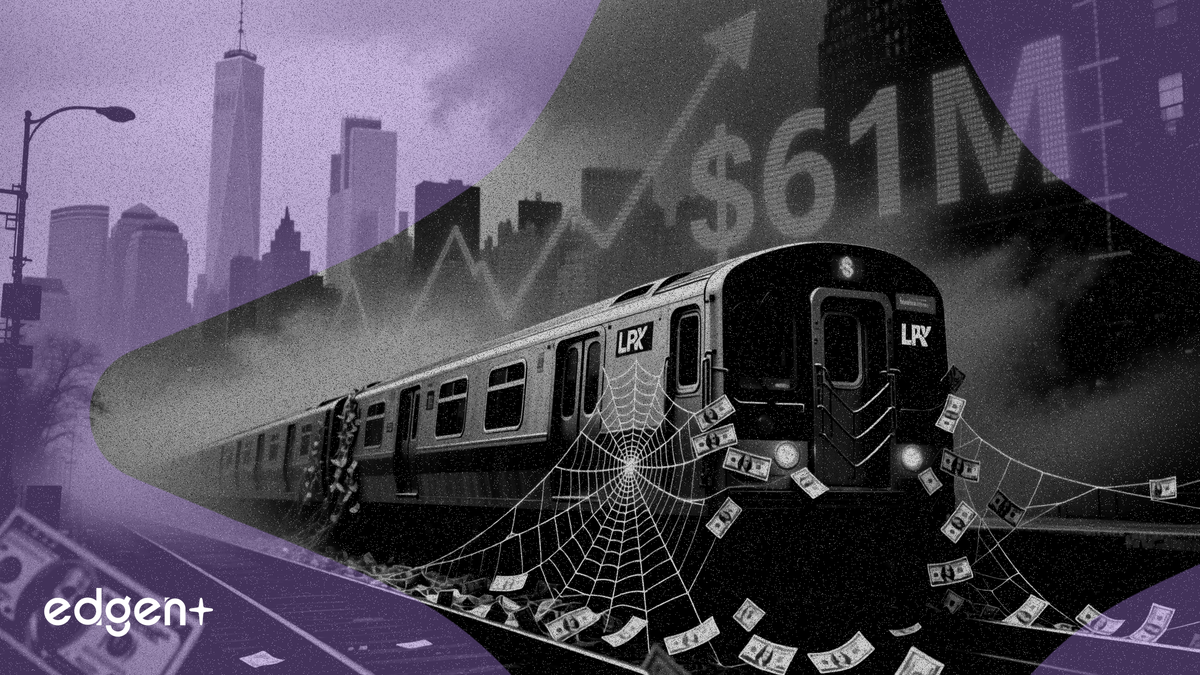
Una disputa contractual entre la MTA y 5 sindicatos ferroviarios ha paralizado la línea de cercanías más transitada del país, amenazando con restar más de 400 millones de dólares a la economía de Nueva York solo en su primera semana.
La huelga en el Long Island Rail Road entró en su tercer día, dejando inactiva la línea ferroviaria de cercanías más transitada del país y costando a la economía regional de Nueva York un estimado de 61 millones de dólares diarios. El paro de 3.500 trabajadores de cinco sindicatos por una disputa contractual con la Autoridad Metropolitana del Transporte (MTA) ha dejado varados a aproximadamente 300.000 pasajeros diarios y ha colapsado el tráfico regional.
"Nadie gana en una huelga. Todo el mundo sale perjudicado: los cientos de miles de personas que dependen del ferrocarril y los miles de trabajadores sindicados que están perdiendo sus salarios", dijo la gobernadora de Nueva York, Kathy Hochul, en una conferencia de prensa. "No permitiré que esta disputa provoque precios más altos y menos dinero en los bolsillos de nuestros residentes".
Los sindicatos exigen un aumento salarial del 14,5 por ciento en cuatro años, frente a la oferta de la MTA de un aumento del 14 por ciento vinculado a cambios en las normas de trabajo. Los trabajadores, que no han tenido un aumento desde 2022, luchan por mantenerse al ritmo de la inflación; un dirigente sindical afirmó que "solo intentan mantener la cabeza fuera del agua". La MTA ha argumentado que acceder a las demandas completas de los sindicatos sin concesiones podría forzar un aumento de las tarifas de hasta el 8 por ciento.
El estancamiento resalta la presión fiscal sobre los sistemas de transporte público y la poderosa influencia de los sindicatos del sector público. Con las negociaciones en curso, la huelga ya es más larga que el paro de dos días de 1994. Si la interrupción persiste, las pérdidas económicas acumuladas podrían presionar a ambas partes para alcanzar una resolución que evite daños mayores al mercado laboral y a la economía de la región.
La interrupción ha obligado a los viajeros a utilizar autopistas ya congestionadas y una red limitada de autobuses lanzadera proporcionada por la MTA, que reconoció que el servicio no podía dar cabida a todos los pasajeros. La huelga comenzó a las 12:01 a.m. del sábado 16 de mayo, tras años de negociaciones fallidas, y el primer impacto importante en los viajeros de lunes a viernes se produjo el lunes.
En el centro de la disputa se encuentran los salarios y los beneficios. Según el Empire Center for Public Policy, los maquinistas del LIRR ganan una media de 160.000 dólares al año con horas extras. Los cambios propuestos por la MTA en las normas de trabajo pretenden frenar los costes de las horas extraordinarias, como la eliminación del pago doble para los empleados que trabajan tanto en un depósito ferroviario como en un tren activo en el mismo turno. Los sindicatos han rechazado estos cambios, mientras que dos paneles de revisión federales se habían puesto previamente del lado de sus propuestas salariales.
La gobernadora Hochul se ha mantenido firme en que no aprobará un acuerdo que revierta las recientes inversiones realizadas para estabilizar las finanzas de la MTA. Mientras tanto, el coste económico aumenta, afectando a todo, desde pequeñas empresas que dependen del tráfico de viajeros hasta grandes eventos; las graduaciones universitarias y los partidos de deportes profesionales están sintiendo los efectos del cierre del transporte.
Este artículo tiene fines informativos únicamente y no constituye asesoramiento de inversión.