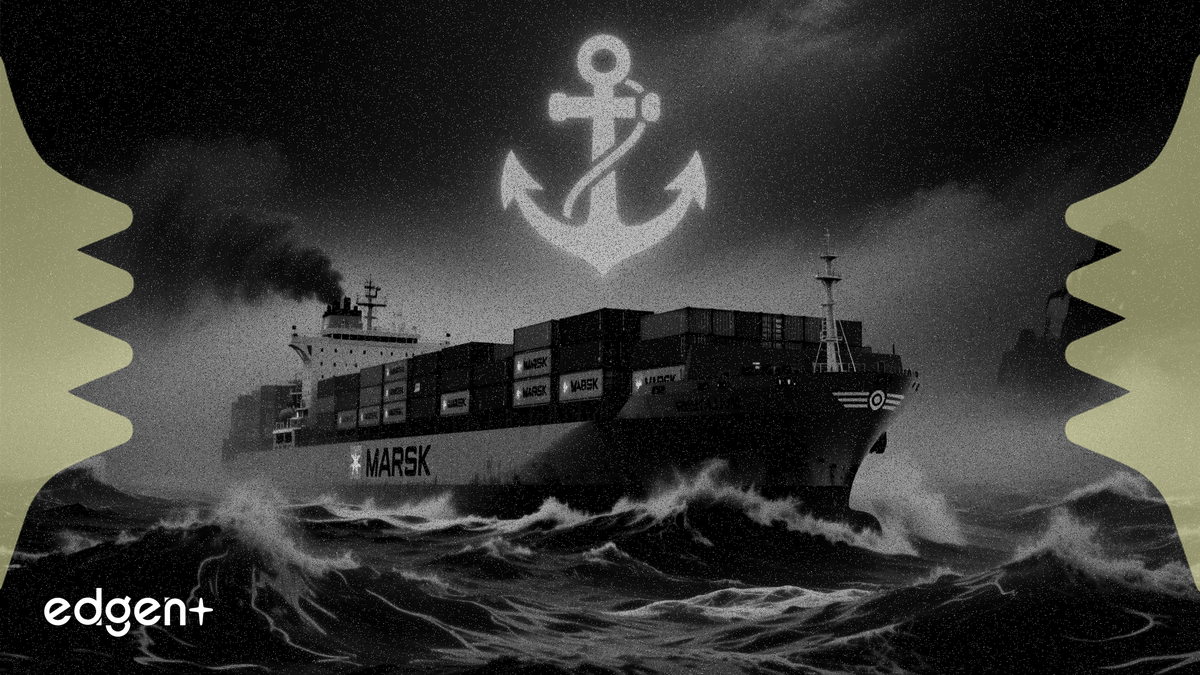
A.P. Moller-Maersk A/S maintained its financial forecast for 2026 on strong container demand, even as the escalating conflict in the Middle East drives up operational costs and disrupts global shipping lanes.
The shipping giant said that while demand remains robust, the outlook is subject to increased uncertainty from higher fuel prices and complex logistics. The company's announcement comes as oil majors like Shell report soaring profits, with Shell's Q1 earnings more than doubling to $6.92 billion on the back of higher crude prices.
Maersk is navigating severe disruptions in the Strait of Hormuz, where the U.S. military has initiated "Project Freedom" to escort commercial vessels. One of the company's own ships, the U.S.-flagged Alliance Fairfax, was recently guided through the waterway under military protection, according to a company statement.
The decision to hold guidance highlights a critical balancing act for the entire logistics sector: capturing strong consumer and industrial demand while managing the financial and operational risks of a volatile geopolitical landscape that has pushed oil prices higher.
Waterway Risks Mount
The situation in the Strait of Hormuz, a critical chokepoint for global trade, remains tense. Iran has warned vessels to adhere to a specific transit corridor and has launched attacks on ships, while the U.S. and its allies work to secure passage. The U.S. has reported multiple clashes and has proposed a U.N. resolution to threaten sanctions if Iran does not halt attacks. For Maersk and other carriers, this translates to longer transit times, rerouting, and higher insurance premiums. The company has previously demonstrated resilience in crises, such as its recovery from the 2017 NotPetya cyberattack which cost the firm an estimated $300 million.
Cautious Market Optimism
While the conflict has created significant headwinds, markets have shown some optimism on news that the U.S. and Iran are moving closer to restarting negotiations, with talks potentially beginning next week. However, analysts caution that the situation remains highly fluid. "Similar hopes for peace have emerged several times during the conflict only to later fade," Maybank analysts noted. The ongoing volatility keeps pressure on fuel costs, a major expense for container lines.
The maintained guidance suggests Maersk believes it can navigate the current challenges, leveraging strong demand to offset the rising costs. Investors will be closely watching the progress of diplomatic talks and any further impact on shipping routes and fuel prices.
This article is for informational purposes only and does not constitute investment advice.