
Consumer prices rose at the fastest annual pace since April 2023, yet the central bank shows no urgency to respond with higher rates.
Consumer prices rose at the fastest annual pace since April 2023, yet the central bank shows no urgency to respond with higher rates.
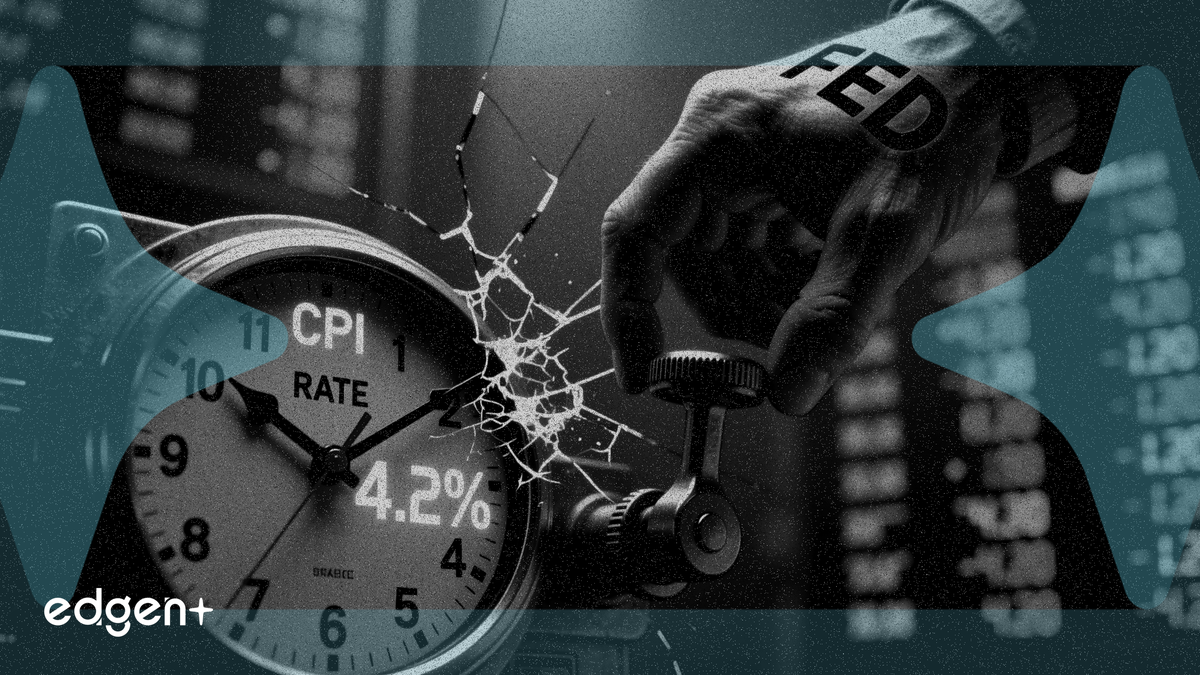
Consumer prices rose at the fastest annual pace since April 2023, yet the central bank shows no urgency to respond with higher rates.
The Federal Reserve may hold interest rates steady even as May consumer prices rose 4.2% from a year earlier, the fastest annual pace since April 2023, as higher energy costs drove the monthly gain of 0.5%. The reading matched the Wall Street consensus of 4.2%, according to FactSet estimates.
"The May CPI came in exactly at the 4.2% level economists had anticipated, with energy costs continuing to drive the headline number," FactSet said in its analysis of the data. The research firm's survey had forecast the precise figure.
The monthly increase of 0.5% reflected broad-based price pressures, with energy costs accounting for a significant portion of the gain, according to the Bureau of Labor Statistics data. The 4.2% annual rate marks the highest reading since April 2023, reversing a period of gradual disinflation.
The policy calculus for the Federal Reserve is complicated by the timing. The central bank targets 2% inflation over the long run, and a 4.2% reading more than doubles that threshold. Yet raising rates now would mark a reversal from the current stance, while holding steady risks allowing inflation expectations to drift higher. The next Federal Open Market Committee meeting will provide the first indication of how policymakers intend to balance these competing risks.
This article is for informational purposes only and does not constitute investment advice.
