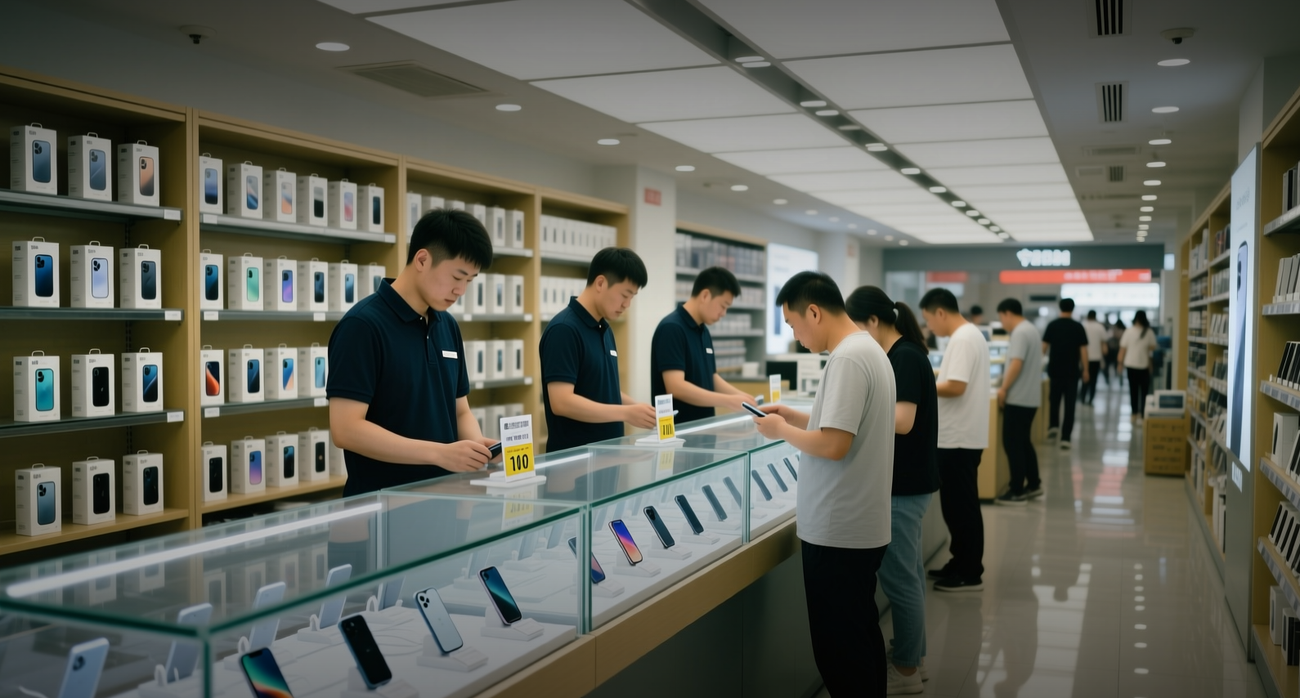
Chinese smartphone makers are passing the steepest memory-chip cost surge in years straight to consumers, with flagship prices rising as much as 1,000 yuan ($150) in a coordinated move that threatens to stall the sector's recovery.
Huawei, Xiaomi and HONOR raised retail prices across multiple in-market models on Sept. 1, the second collective adjustment within a month, as AI-driven demand for high-bandwidth memory siphons production capacity away from consumer DRAM and NAND. The top-tier Huawei Mate 80 Pro Max 16GB+1TB configuration climbed from 8,999 yuan to 9,999 yuan, while Xiaomi's 17 Pro Max rose 500 yuan to 6,999 yuan and HONOR's Power 2 jumped 500 yuan to 3,199 yuan — the largest percentage increase of any adjusted model.
"Memory price increases will moderate in the second half of the year, but the upward trend will likely persist, keeping memory costs at elevated levels," Xiaomi Group President Lu Weibing said during the company's interim results call on Aug. 18. Xiaomi customer service attributed the adjustments to "the continued rise in procurement costs for core components," and Huawei cited "adjustments in market prices of key materials."
The price hikes trace to a supply-demand imbalance in the memory market driven by four compounding factors: the siphon effect of AI computing demand on high-bandwidth memory and high-capacity DRAM, production capacity controls at the three major memory makers — Samsung Electronics, SK Hynix and Micron Technology — depleted industry inventories, and the capacity gap during the DDR4-to-DDR5 transition. Qualcomm plans to raise chip prices by double-digit percentages starting this month, adding fresh pressure on handset costs. The steepest increases landed on high-capacity configurations because their DRAM and NAND procurement costs far exceed entry-level versions.
The cost squeeze is already reshaping the market
The pass-through is compressing margins even as it lifts prices. Xiaomi's smartphone gross margin plunged to 8.5 percent from 11.5 percent in the period, according to company disclosures, as memory costs outpaced the retail adjustments. TrendForce forecasts global smartphone panel shipments to decline 2.5 percent to 2.25 billion units in 2026, with rising memory prices prompting brands to take a more cautious approach to shipment planning. Chinese display giant BOE remained the top panel supplier with a 26.1 percent market share in the second quarter, ahead of Samsung Display and TCL CSOT.
Demand is already showing cracks. On Aug. 31, a digital blogger reported that multiple manufacturers had cut planned production volumes for flagship models by 30 percent to 50 percent because of aggressive price increases — a claim not officially confirmed but reflecting channel concerns about end-market sales in a high-price environment. Google is responding to the same scarcity by imposing strict memory thresholds on Android apps distributed via Google Play starting in 2027, and its Pixel 11 Pro base models drop from 16GB to 12GB of RAM compared with prior generations.
What the price wave means for investors
For Xiaomi-W (01810.HK), which rose 0.5 percent to trade with short selling at 29.2 percent of turnover, the hikes support revenue per unit if volumes hold but risk accelerating upgrade-cycle postponement among price-sensitive buyers. Memory prices could peak in the fourth quarter, though analysts see a high probability they stay elevated over the next six quarters, keeping smartphone pricing strategies under sustained pressure. The balance between cost pass-through and unit sales will determine which brands protect share through the second half of 2026.
This article is for informational purposes only and does not constitute investment advice.