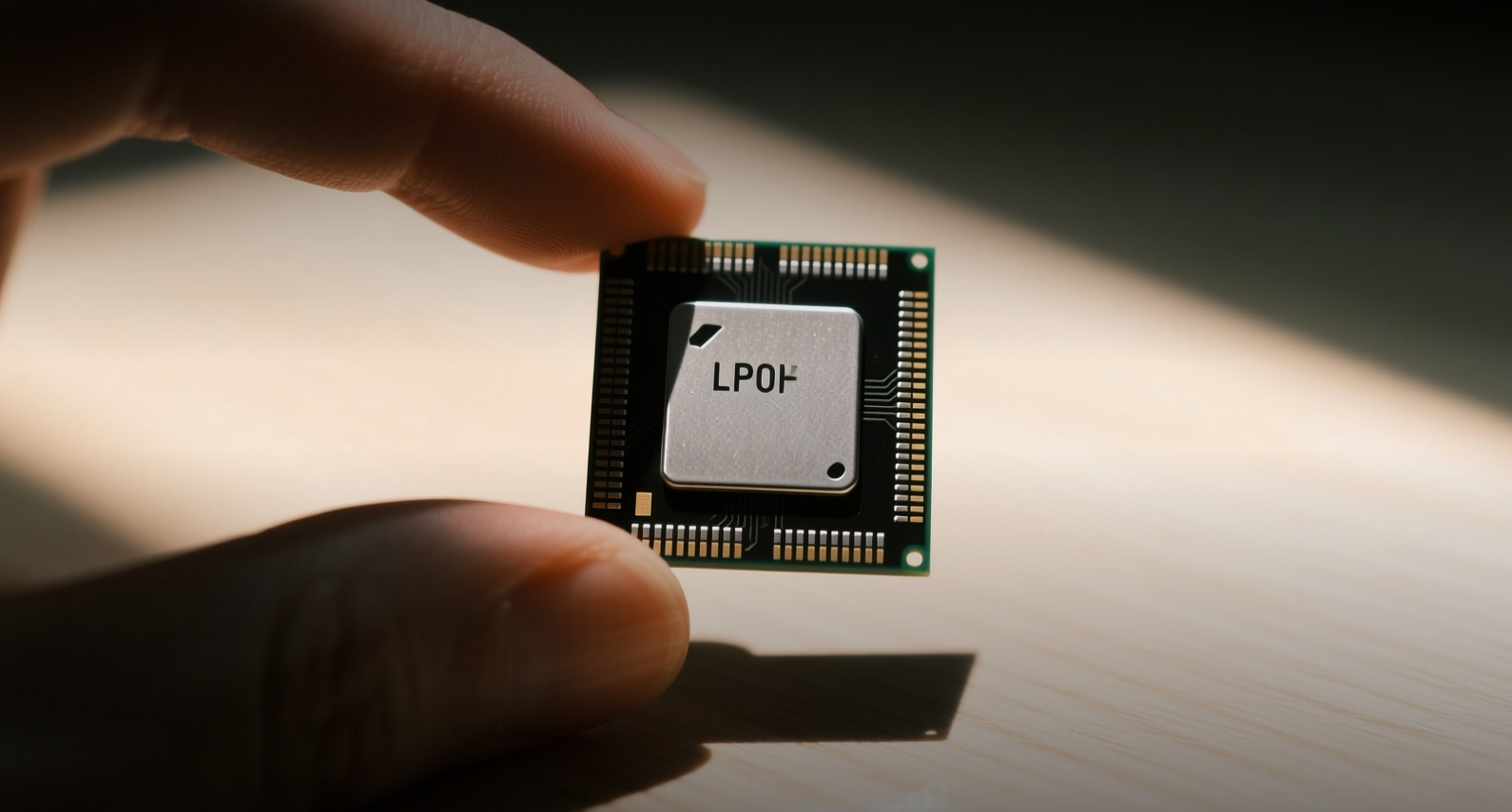
Micron secured a long-term memory supply pact with General Motors, backed by a $2 billion Virginia fab investment, as automakers race to lock down chip capacity for AI-driven vehicles.
Micron Technology Inc. and General Motors Co. signed a strategic customer agreement to secure memory and storage supply for GM's next-generation vehicle platforms, the companies said July 1, as automakers seek to avoid the chip shortages that disrupted production earlier this decade.
"We are proud to expand our strategic relationship with General Motors to deliver both long-term supply assurance and technology innovation critical to the future of the automotive industry," Sanjay Mehrotra, chairman, president and chief executive officer of Micron, said.
The agreement covers LPDRAM, NOR flash and UFS NAND storage — the memory types essential for advanced driver-assistance systems, AI-enabled in-cabin experiences and software-defined vehicle architectures. GM will also collaborate with Micron on future product definition and system-level optimization for its next-generation vehicle roadmaps. The pact is one of 16 strategic customer agreements Micron discussed on its fiscal third-quarter 2026 earnings call, which together represent $100 billion in minimum contracted revenue and $22 billion in committed customer obligations, according to Seeking Alpha.
The deal highlights how the automotive industry's shift toward software-defined, AI-capable vehicles is reshaping semiconductor supply chains. Micron's $2 billion modernization of its Manassas, Virginia DRAM fab — which began production earlier this year — provides the U.S.-based manufacturing capacity to support long product lifecycles that can span a decade or more. For GM, the agreement ensures predictable access to critical components as vehicles increasingly function as data centers on wheels, with memory and storage requirements rising sharply for features like real-time sensor processing and over-the-air updates.
A $100 Billion Bet on Supply Certainty
The semiconductor industry's traditional boom-bust cycle has long made automakers wary of locking in long-term supply. Micron's strategic customer agreements aim to change that by aligning customer demand with committed capacity. The 16 SCAs discussed on the company's most recent earnings call provide planning visibility that reduces supply variability, according to Micron.
The memory cycle is unlikely to peak before 2028, Cyn Research wrote on Seeking Alpha, citing supply-demand conditions for DRAM and NAND that are expected to remain tight beyond 2027. Micron shares, which closed at $1,154.29 on June 30, fell 5.6% in after-hours trading to $1,090 — a decline analysts attributed to profit-taking after the stock's 167% revenue surge in the most recent fiscal year.
Who Wins in the Automotive Memory Race
Micron's long-standing leadership in automotive memory positions it against South Korea's Samsung Electronics Co. and SK hynix Inc., both of which are also pursuing automotive design wins. The GM agreement locks in demand for LPDRAM (low-power dynamic random-access memory, which consumes less energy than standard DRAM) and NOR flash (a type of memory that boots quickly, ideal for safety-critical systems) — segments where Micron holds strong market share.
For GM, the partnership provides more than supply assurance. Mary Barra, chair and chief executive officer, said the collaboration enables deeper integration across GM's vehicle platforms, supporting both performance and long-term reliability. That integration is critical as GM's vehicle architectures become increasingly software-defined, requiring memory subsystems that can handle AI inference workloads at the edge — processing data locally in the vehicle rather than in the cloud.
The Investment Angle
Micron trades at 15.7 times forward earnings, a discount to Nvidia Corp.'s 35x multiple but a premium to traditional memory makers. The SCA structure reduces the company's exposure to spot-price volatility — a key risk that has historically punished Micron shares during memory downturns. With $100 billion in contracted revenue providing a floor, the bull case rests on whether automotive and AI demand can sustain the tight supply conditions that have driven Micron's record results.
This article is for informational purposes only and does not constitute investment advice.