


Micron Technology's blockbuster earnings added more than $260 billion in market value in a single day, while Apple lost $180 billion — crystallizing a fundamental shift in who captures profit from the AI boom.
Micron Technology's blockbuster earnings added more than $260 billion in market value in a single day, while Apple lost $180 billion — crystallizing a fundamental shift in who captures profit from the AI boom.
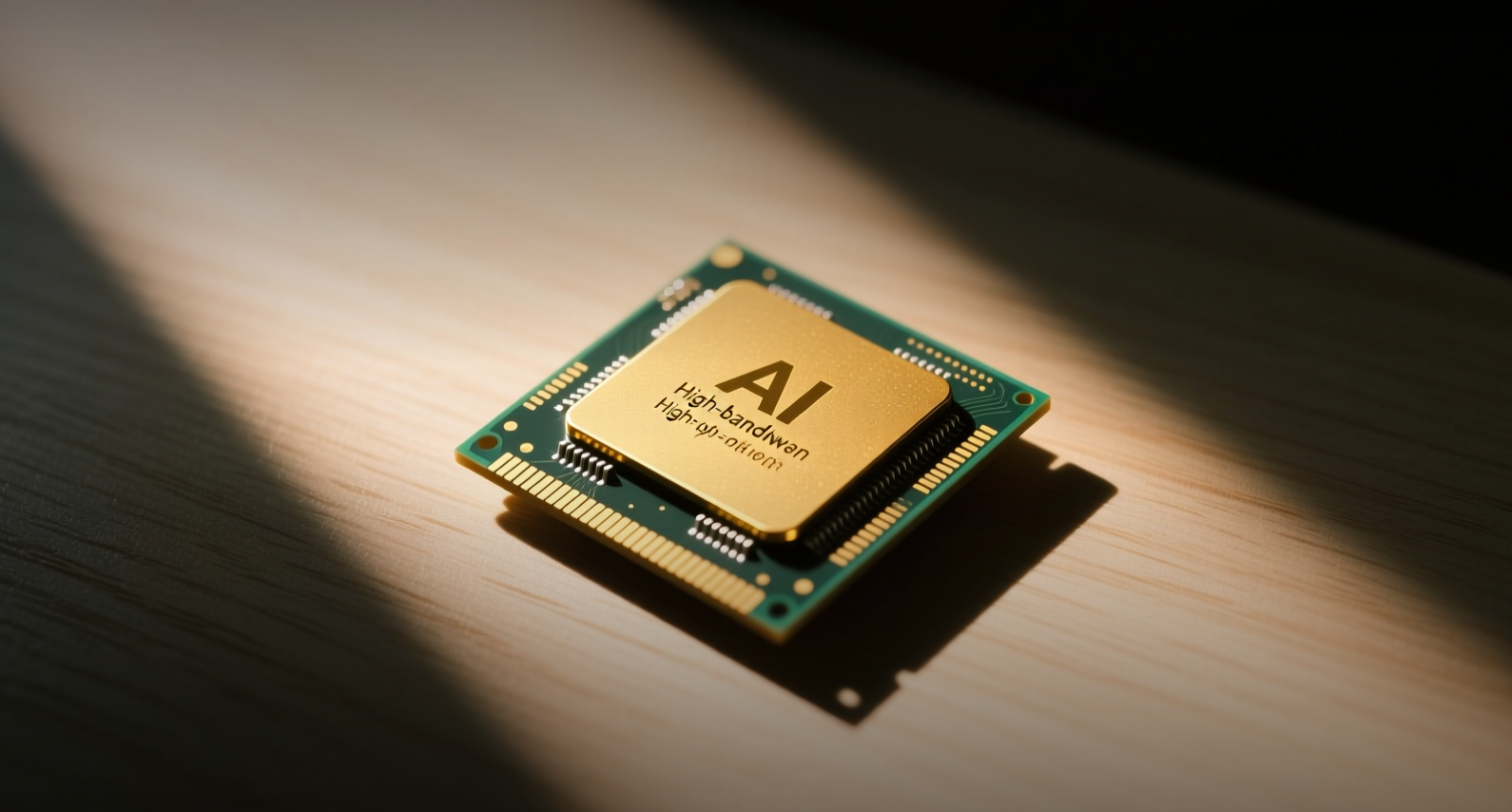
Micron Technology's blockbuster earnings added more than $260 billion in market value in a single day, while Apple lost $180 billion — crystallizing a fundamental shift in who captures profit from the AI boom.
Micron Technology Inc.'s blowout quarterly results triggered a $260 billion single-day surge in its market value, while Apple Inc. lost $180 billion after blaming rising memory costs for global price hikes — a stark illustration of AI supply chain profits shifting from downstream giants to upstream hardware vendors.
"The size and scale of the AI buildout has been underestimated at every turn, and memory will continue to command premium pricing on supply constraints," Daniel Newman, chief executive of tech research firm Futurum Group, said.
Micron reported third-quarter revenue of $41.46 billion, flying past the $35.85 billion consensus estimate, with adjusted earnings of $25.11 a share versus expectations of $20.78. The company forecast fourth-quarter adjusted earnings of $31 a share, well above the $25.84 analysts had projected. Chief Executive Sanjay Mehrotra said tight supply conditions are expected to persist beyond calendar 2027, as AI-driven demand across all segments collides with structural supply constraints. The company has signed 16 strategic customer agreements worth $22 billion in commitments, with remaining performance obligations of about $100 billion.
The divergence between Micron and Apple on Thursday crystallized a new market consensus: upstream hardware vendors with pricing power are capturing the spoils of AI infrastructure spending, while downstream tech companies face margin compression from rising component costs. Micron shares closed at a record above $1,213, more than quadrupling this year. Wedbush and Citi both raised their price targets to $1,400, with Wedbush analysts calling the long-term contracts "unprecedented revenue, margin and earnings certainty."
The Apple-Micron Price War Goes Public
Apple Chief Executive Tim Cook publicly attributed the company's decision to raise prices across MacBook Neo, MacBook Air, iMac, Mac Studio, iPad and Vision Pro products to rising memory costs. Micron Chief Business Officer Sumit Sadana pushed back, telling Reuters that during the 2023 memory downturn, some customers had used market conditions to suppress prices — forcing Micron to accept extremely low bids that choked off investment. "Since price and margins were extremely depressed, many investment projects in the industry were shelved in 2023," Sadana said. The five-year take-or-pay agreements Micron has now secured, he added, are unprecedented for the industry.
Qualcomm Inc. signaled at its investor day that its new AI chips are designed to use cheaper memory, suggesting a potential ceiling on how much premium pricing high-bandwidth memory can sustain over time — a counterweight to Micron's pricing power. Direxion head of capital markets Jake Behan cautioned that any easing in supply would threaten Micron's bull case. "The bull case is built on tightness. Once supply starts to creep back, pricing power is the first thing at risk," he said.
The Cross-Market Ripple
The profit reallocation extended beyond individual stocks. Memory and storage names surged, with Sandisk Corp. jumping 22%, Western Digital Corp. rising 5% and Seagate Technology Holdings PLC adding 3%. The Roundhill Memory ETF climbed 10% and the iShares Semiconductor ETF gained 4%, while the broader chip sector added more than $400 billion in stock market value. SK Hynix Inc., which is exploring a US listing, has been one of 2026's hottest stocks.
The divergence has a cross-market dimension: European technology stocks have outperformed their US counterparts this year, largely because about two-thirds of the Stoxx Europe 600 Technology Index is weighted toward semiconductor and equipment makers such as ASML Holding NV, which retain strong pricing power. US indexes, by contrast, are dominated by software and platform companies that consume chips — and now face the cost consequences.
Micron shares, trading at elevated multiples after a more than 300% rally this year, now carry expectations that the memory supercycle will persist for years. The $100 billion in remaining performance obligations provides unusual forward visibility, but the risk is that any normalization in supply — or a shift by customers toward cheaper memory alternatives — could rapidly unwind the pricing power that underpins the bull case. For investors, the question is no longer whether AI demand is real, but which layer of the supply chain captures the profit.
This article is for informational purposes only and does not constitute investment advice.
