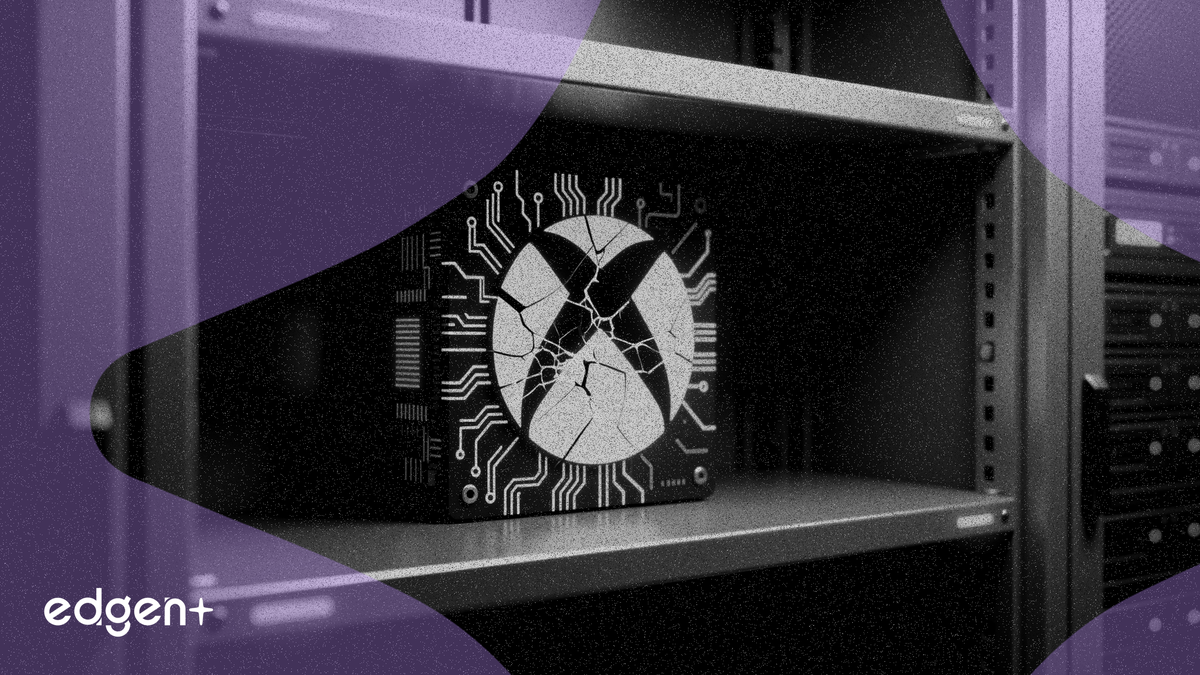
Microsoft is stepping back from the AI race in gaming, a move that suggests a broader strategic shift for the $3 trillion tech giant.
Microsoft is discontinuing its Copilot AI assistant for Xbox, a surprising reversal that prioritizes profitability over the industry-wide push to integrate artificial intelligence into every product. The move, announced Tuesday by new Xbox chief Asha Sharma, will wind down the mobile version and halt console development, impacting the company's gaming division, which generated over $15 billion in revenue last year.
"We are winding down Copilot on mobile and stopping development for console," Sharma said in a statement that signaled a significant strategy shift for the gaming unit.
The decision comes as Microsoft, under CEO Satya Nadella, has been aggressively embedding AI across its product lines, from Azure cloud services to its Office suite. The Xbox Copilot was intended to provide game hints, assist with settings, and enhance the overall user experience. However, the company did not disclose specific performance metrics or user adoption rates for the feature, making its direct impact on engagement difficult to measure.
For investors, the move is being interpreted as a disciplined approach to capital allocation, even as Microsoft's stock continues to climb. The decision suggests a pivot towards higher-return AI investments, potentially saving hundreds of millions in development costs. This could pressure competitors like Sony and Tencent to re-evaluate their own AI expenditures in gaming, a market expected to reach over $300 billion by 2028.
A Strategic Retreat
Microsoft's withdrawal of the Xbox Copilot is less an admission of failure and more a calculated business decision. The high cost of developing and maintaining large language models for a feature that may not have a clear return on investment appears to be the primary driver. This move allows the company to reallocate resources to more profitable ventures, such as its burgeoning partnership with OpenAI and the integration of AI into its enterprise software.
The decision also puts a spotlight on the AI strategies of competitors. Sony, with its PlayStation franchise, has been more measured in its public-facing AI initiatives, focusing on machine learning for game development and backend services. Meanwhile, Chinese tech giant Tencent has been investing heavily in AI for its own gaming portfolio. Microsoft's step back may cause others to pause and assess the true value of consumer-facing AI in gaming.
Investor Reaction and Market Context
The market's positive reaction to what is ostensibly a product cancellation is telling. It suggests that investors are rewarding Microsoft for its financial discipline. The potential cost savings from shuttering the Xbox Copilot project are seen as a direct benefit to the bottom line.
This decision may be viewed by investors as a prudent cost-cutting measure, refocusing on core profitable activities. It could signal a shift in corporate strategy away from deploying AI in all products towards more selective, high-ROI applications, potentially influencing other tech companies' AI integration plans. While specific financial details were not disclosed, the move is in line with a broader tech industry trend of optimizing operations and maximizing shareholder value.
This article is for informational purposes only and does not constitute investment advice.