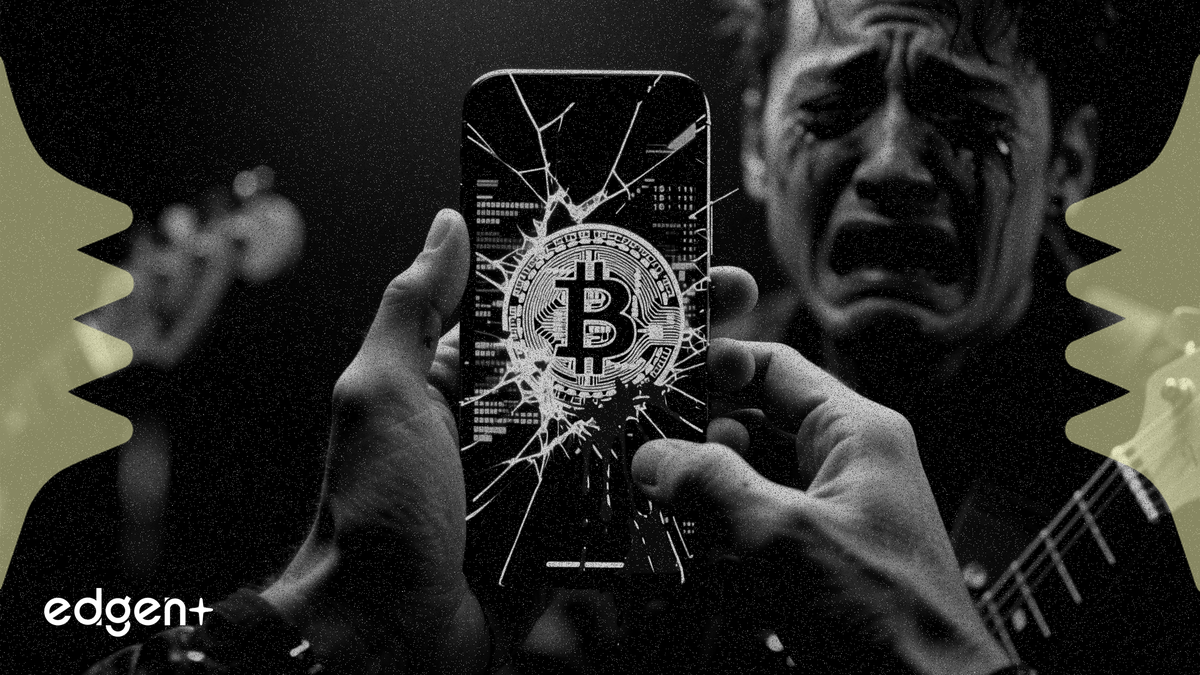
El músico Garrett Dutton, conocido como G. Love, perdió la totalidad de su fondo de jubilación de 420.000 dólares en Bitcoin tras descargar una aplicación de billetera fraudulenta de la App Store de Apple. El evento resalta una vulnerabilidad crítica en el ecosistema cripto que existe fuera de la propia cadena de bloques.
"Fue mi propia [maldita] culpa por no haber sido más diligente", escribió Dutton en X. "Pero que sirva de advertencia. Hay muchísimas estafas".
La aplicación, que suplantaba el software oficial de la billetera de hardware Ledger, fue descargada de la App Store oficial, una plataforma en la que muchos usuarios confían por estar supuestamente verificada en términos de seguridad. Después de que el músico ingresara sus credenciales, la aplicación falsa drenó su billetera casi instantáneamente, enviando los fondos a una dirección irrecuperable.
Este incidente subraya que, si bien la cadena de bloques subyacente de Bitcoin nunca ha sido hackeada, las aplicaciones y plataformas orientadas al usuario siguen siendo un punto débil significativo. La seguridad de los activos de un usuario a menudo no depende de una criptografía compleja, sino de su capacidad para evitar estafas de phishing y software fraudulento.
La capa humana del riesgo
El problema central es un clásico de la seguridad: el elemento humano suele ser el más fácil de explotar. Mientras que la red Bitcoin está protegida por una criptografía que a las computadoras actuales les tomaría millones de años romper, un usuario puede ser engañado para que entregue sus claves mediante una aplicación falsa convincente. Este es un método de robo mucho más común y efectivo.
El problema está muy extendido y los reguladores están tomando nota. La Comisión de Valores e Inversiones de Australia (ASIC) emitió recientemente una carta abierta advirtiendo a las empresas financieras que actualicen sus defensas de ciberseguridad, señalando que la IA está potenciando la velocidad y sofisticación de las ciberamenazas. En un caso reciente, la acción de la ASIC resultó en una multa de 2,5 millones de dólares contra FIIG Securities por fallos de ciberseguridad que contribuyeron a una importante brecha de datos.
Cómo mitigar los riesgos de la billetera
Aunque ninguna defensa es infalible, los usuarios pueden tomar varias medidas para ser un objetivo más difícil para los estafadores:
- Vaya a la fuente: Nunca use una tienda de aplicaciones para buscar software de billetera. Descárguelo directamente del sitio web oficial del fabricante y guarde la página en marcadores para uso futuro.
- Escrute todo: Antes de instalar, verifique el nombre del desarrollador de la aplicación, la fecha de publicación y las reseñas de los usuarios. Las aplicaciones de estafa suelen tener señales de alerta como fechas de publicación recientes o reseñas que parecen falsas.
- Diversifique sus tenencias: Mantener una gran cantidad de cripto en una sola billetera es una estrategia de alto riesgo. El uso de varias billeteras puede limitar el daño de una sola brecha de seguridad.
- Use defensas por capas: Habilite todas las funciones de seguridad que admita su billetera, incluida la autenticación de dos factores (2FA) y frases de contraseña complejas. Cada capa adicional dificulta el acceso a un ladrón.
En última instancia, la naturaleza irreversible de las transacciones cripto significa que la prevención es la única defensa. Una vez que los fondos desaparecen, no hay una línea de servicio al cliente ni un seguro para recuperarlos.
Este artículo es solo para fines informativos y no constituye asesoramiento de inversión.