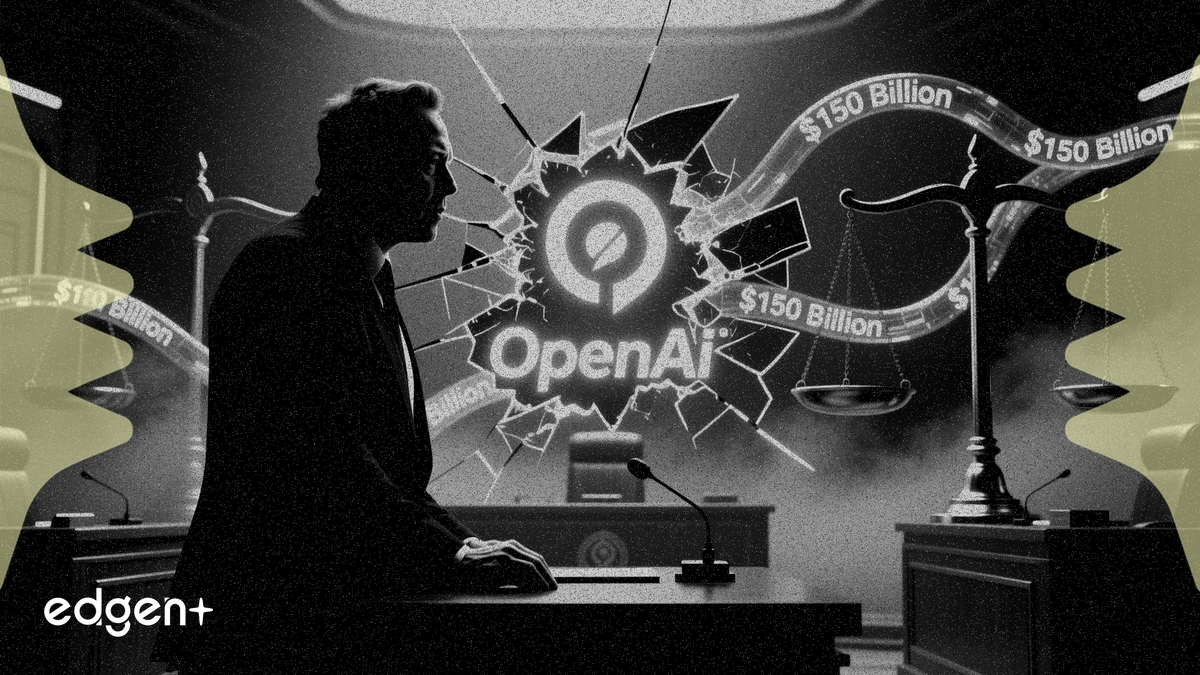
The high-stakes trial that could determine the future of artificial intelligence governance began this week, with Elon Musk accusing OpenAI’s leadership of abandoning the company's founding mission for profit. The lawsuit, seeking upwards of $150 billion in damages, pits Musk against the very organization he co-founded and backed financially.
"The defendants in this case stole a charity," Musk's attorney Steven Molo said in his opening statement, arguing that CEO Sam Altman and President Greg Brockman enriched themselves by creating a for-profit entity.
At the heart of the dispute is OpenAI’s 2019 restructuring into a "capped-profit" company and its deep commercial partnership with Microsoft. Musk alleges this move prioritized investor returns over the original nonprofit goal of developing AI for humanity's benefit. He is asking the court to oust Altman and Brockman, revert OpenAI to a nonprofit, and award damages to OpenAI's charitable arm.
This legal battle creates significant uncertainty for OpenAI, potentially forcing changes to its corporate structure and its critical relationship with Microsoft. OpenAI’s lawyers argue the lawsuit is without merit, claiming Musk is attempting to damage a competitor as his own company, xAI, lags behind. "We're here because Mr. Musk didn't get his way," OpenAI lawyer William Savitt said, adding that Musk had previously supported a for-profit model and even tried to make OpenAI a subsidiary of Tesla.
During testimony, Musk criticized the creation of the for-profit entity, stating, “If we make it okay to loot a charity, the entire foundation of charitable giving in America will be destroyed.” OpenAI contends the structure was necessary to raise capital for the immense computing power and top-tier talent required to compete with rivals like Google's DeepMind. The trial continues with Musk expected to face cross-examination.
This article is for informational purposes only and does not constitute investment advice.