

미군은 100만 달러짜리 문제를 해결하기 위해 2,250달러짜리 탄약에 베팅하고 있다.
미군은 100만 달러짜리 문제를 해결하기 위해 2,250달러짜리 탄약에 베팅하고 있다.
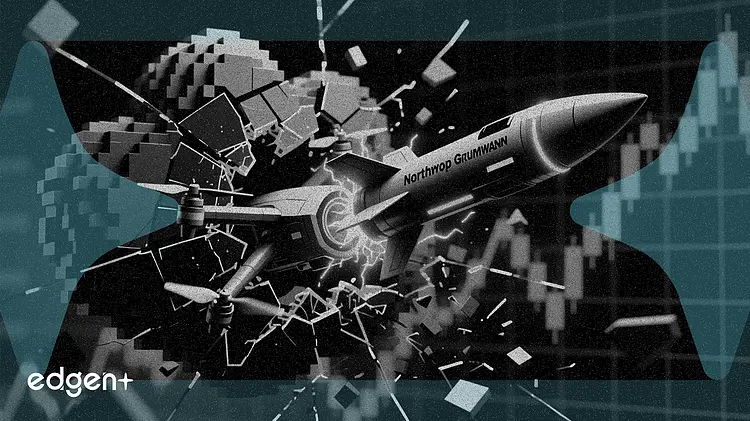
미 육군은 노스롭그루먼(Northrop Grumman)과 2억 달러가 넘는 계약을 체결하고, 드론을 미사일 비용의 극히 일부만으로 요격할 수 있는 30mm 포탄인 XM1211 고폭 근접신관탄(High Explosive Proximity)을 생산하기로 했다.
"스팅어 미사일은 포탄보다 성능이 더 뛰어나겠지만, 사용 가능한 수량 측면에서는 훨씬 더 제한적일 것입니다"라고 전략국제문제연구소(CSIS) 미사일방어프로젝트 소장 톰 카라코(Tom Karako)는 말했다.
XM1211은 30x113mm 탄약으로 근접 센서가 내장돼 표적에 충분히 가까워지면 기폭, 파편을 살포해 직접 명중하지 않아도 무력화할 수 있다. 이 포탄은 노스롭그루먼의 XM914 및 M230LF 부시마스터 체인건(Bushmaster Chain Gun)과 호환된다. 나토(NATO) 물류지원조달청의 전 탄약 기술자 스티븐 소여스(Steven Sawyers)에 따르면, 약 2,250달러인 이 포탄 한 발로 드론 한 대를 격추하려면 다섯 발이 필요해 약 11,250달러가 든다. 이는 CSIS 추산 기준 스팅어 미사일 43만 달러, 코요테(Coyote) 드론 요격체 10만12만 5,000달러, AIM-120 공대공 미사일 100만 달러와 비교된다. 이란의 샤헤드(Shahed)급 드론은 약 3만 달러, 소형 쿼드콥터는 1,5005,000달러 수준이다.
비용 비대칭성은 현대전에서 가장 시급한 문제 중 하나로 부상했다. 중동에서는 미국과 걸프만 국가들이 헬리콥터와 항공기 함포를 이용해 이란 드론을 격추해 왔지만, 대량 생산이 어려운 값비싼 공대공 미사일에도 의존해 왔다. 미 해병대가 지난 4월 필리핀에서 시험한 마디스(Madis) 시스템은 RPS-62 레이더를 탑재한 차량 한 대와 스팅어 미사일을 탑재한 차량 한 대를 포함한 두 대의 합동경량전술차량(Joint Light Tactical Vehicle)에 전자전 교란 장비와 30mm 기관포를 결합한 것이다. 이 시스템의 기동성은 인도-태평양 지역의 섬 환경에서 잠재적 분쟁에 대비하는 해병대에게 특히 중요하다.
노스롭그루먼과 육군 기동탄약체계(Project Manager Maneuver Ammunition Systems) 사무소는 2021년 긴급물자방출 요청에 대응해 XM1211을 신속히 개발했으며, 현재 국내외 수요 증가에 대응해 생산 역량을 가속화하고 있다. 이 회사는 미네소타주 플리머스와 엘크리버, 웨스트버지니아주 앨러게니 탄도연구소, 버지니아주 래드퍼드 탄약공장 등에서 포탄을 생산할 예정이다. 30mm 탄약용 신관을 제조하는 L3해리스(L3Harris) 역시 급증하는 수요에 대응해 빠르게 생산 규모를 확대 중이라고 회사 대변인이 밝혔다. "근접신관은 정밀 전자기계 장치이며, 이를 대규모로 생산하는 라인은 거의 없습니다"라고 소여스는 말했다.
비용 효율적인 대드론 탄약에 대한 마지막 대규모 추진은 2021년 긴급물자방출 이후였다. 당시 육군과 노스롭그루먼은 개념 구상에서 실전 배치까지 18개월 이내에 개발 기간을 단축했다. 이후 드론전은 극적으로 확대됐다. 우크라이나에서 러시아가 이란산 샤헤드 드론을 사용하고, 후티 반군이 홍해 해운을 공격하면서 값싼 무인 시스템이 수백만 달러짜리 미사일로 무장한 전력을 위협할 수 있다는 사실이 입증됐다. 펜타곤의 2026년 예산 요청서에는 대드론 시스템 예산이 31% 증가했는데, 이는 조달 우선순위의 변화를 반영한다.
필리핀에서 이 시스템을 시험한 해병대에게 계산은 단순하다. 훈련 중 그들은 고정익 및 회전익 표적을 향해 수십 발의 불활성 훈련탄을 발사했으며, 대형 드론에는 30mm 기관포를, 소형 표적에는 더 높은 발사 속도를 가진 소형 기관총을 사용했다. "현장에는 정말 많은 것들이 있어서, 정확히 무엇과 싸우게 될지 알 수 없습니다"라고 노아 코니(Noah Konie) 병장은 말했다. "정보가 정확하기를 바라지만, 최선을 다해 모든 것을 갖추고 나가서 최고의 결과를 기대할 뿐입니다."
본 기사는 정보 제공 목적으로만 작성되었으며 투자 조언을 구성하지 않습니다.
