

Key Takeaways:
- Nvidia invests in SSI and provides access to its Vera Rubin platform
- The deal expands SSI's compute capacity by an order of magnitude
- SSI has been developing a new research direction for safe superintelligence since 2024
Key Takeaways:
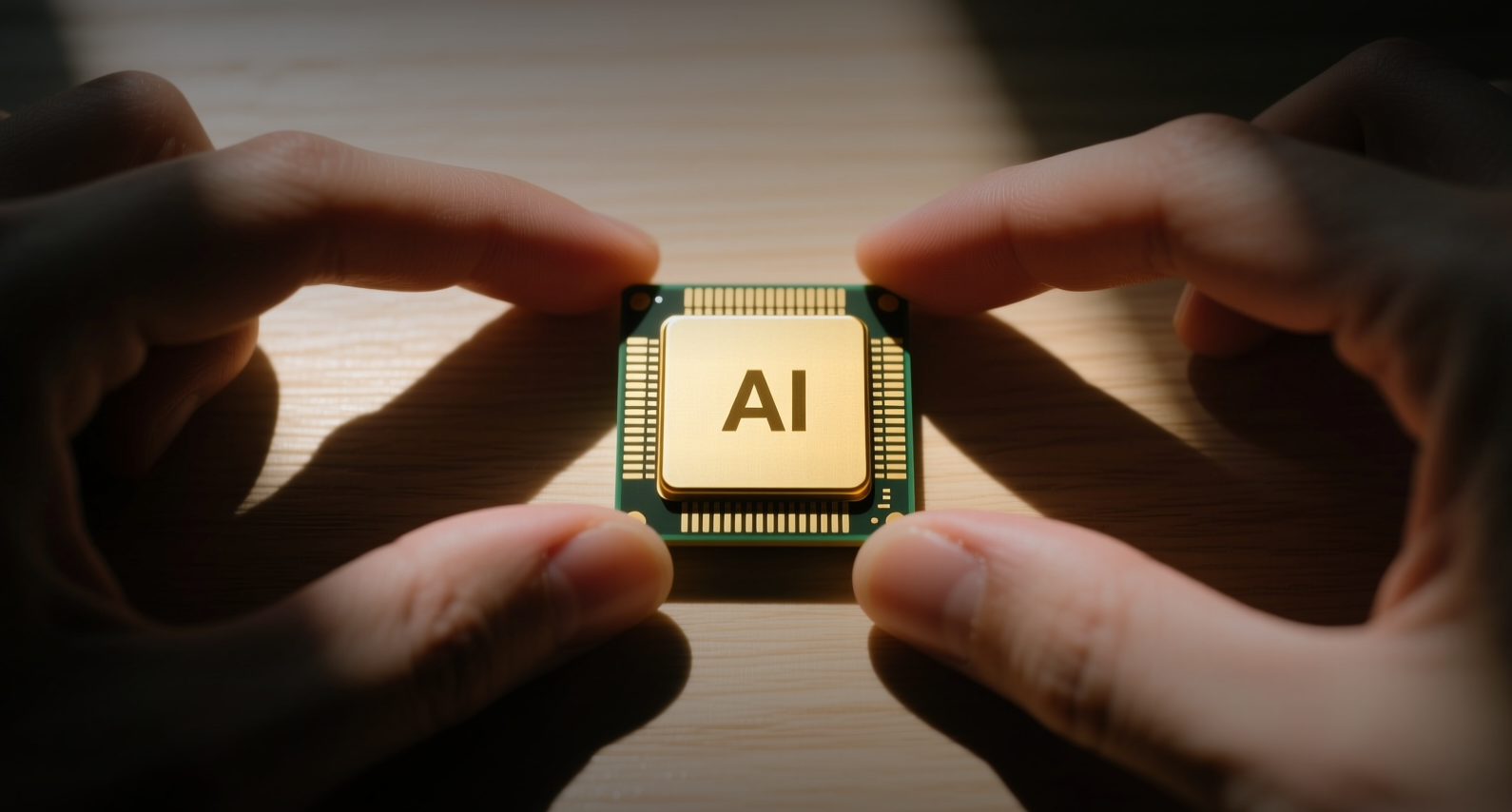
Nvidia Corp. is betting on Ilya Sutskever's vision for safe superintelligence, investing in SSI and granting access to its next-generation Vera Rubin platform in a deal that will expand the startup's compute capacity tenfold.
Nvidia Corp. placed a strategic bet on Safe Superintelligence Inc., investing in Ilya Sutskever's AI safety lab and granting access to its Vera Rubin platform in a deal that expands SSI's compute by an order of magnitude.
"Ilya has pioneered fundamental breakthroughs at the foundation of modern AI, beginning with AlexNet," Jensen Huang, founder and chief executive officer of Nvidia, said. "We are excited to see what new breakthroughs SSI will discover powered by our Vera Rubin platform."
For SSI, the partnership unlocks access to Nvidia's next-generation Vera Rubin systems — the successor to the Blackwell architecture — allowing the two-year-old startup to scale its research by roughly 10 times. Nvidia also made a financial investment in SSI, though the companies did not disclose terms. The two will collaborate on advancing Nvidia's current and future compute platforms, using SSI's research insights into the future of AI.
The deal signals that demand for cutting-edge AI compute remains insatiable even as the industry debates the economics of scaling. For Nvidia, locking in a high-profile customer for Vera Rubin — its next major architecture — reinforces the narrative that hyperscale AI training runs will continue to drive GPU demand for years. SSI, which counts Andreessen Horowitz, DST Global, Greenoaks and Sequoia Capital among its investors, has been operating in stealth for two years on a new research direction for aligned superintelligence.
Sutskever, who co-founded SSI in 2024 after leaving OpenAI, previously spearheaded research that led to OpenAI's reasoning models including o1. His earlier contributions — AlexNet, AlphaGo, Sequence-to-Sequence learning and the GPT model family — form the technical backbone of modern generative AI. The partnership gives Nvidia rare visibility into SSI's closely guarded research, which the company evaluated before committing to the deal.
"We have research that is worthy of scaling up, and having access to a big Nvidia computer will let us do so," Sutskever said. "We're incredibly proud to be partnering with Jensen and the Nvidia team, and we are confident that our big bet on the Vera Rubin platform will take us to the next level."
The investment comes as Nvidia deepens its push into AI infrastructure beyond pure GPU sales. On the same day, the company joined with more than 30 firms including Microsoft, Meta and OpenAI to form the Open Secure AI Alliance, a group focused on developing open tools for AI software and agent security. The dual announcements underscore Nvidia's strategy of expanding its footprint from hardware into the broader AI ecosystem.
For investors, the SSI deal provides an early signal of Vera Rubin's commercial traction. Nvidia's data center revenue reached $47.5 billion in its most recent fiscal year, driven by demand from OpenAI, Microsoft, Meta and Google. Vera Rubin, expected to enter production in the coming quarters, represents Nvidia's next architectural leap after Blackwell. If SSI's bet on the platform validates its performance for frontier AI research, it could accelerate adoption among other labs racing toward artificial general intelligence.
This article is for informational purposes only and does not constitute investment advice.
