
Major oil producers are prioritizing shareholder returns over increased production as the blockage of the Strait of Hormuz sends crude prices soaring, a move that could prolong the energy crisis and keep gasoline prices elevated for months.
Major oil producers are prioritizing shareholder returns over increased production as the blockage of the Strait of Hormuz sends crude prices soaring, a move that could prolong the energy crisis and keep gasoline prices elevated for months.
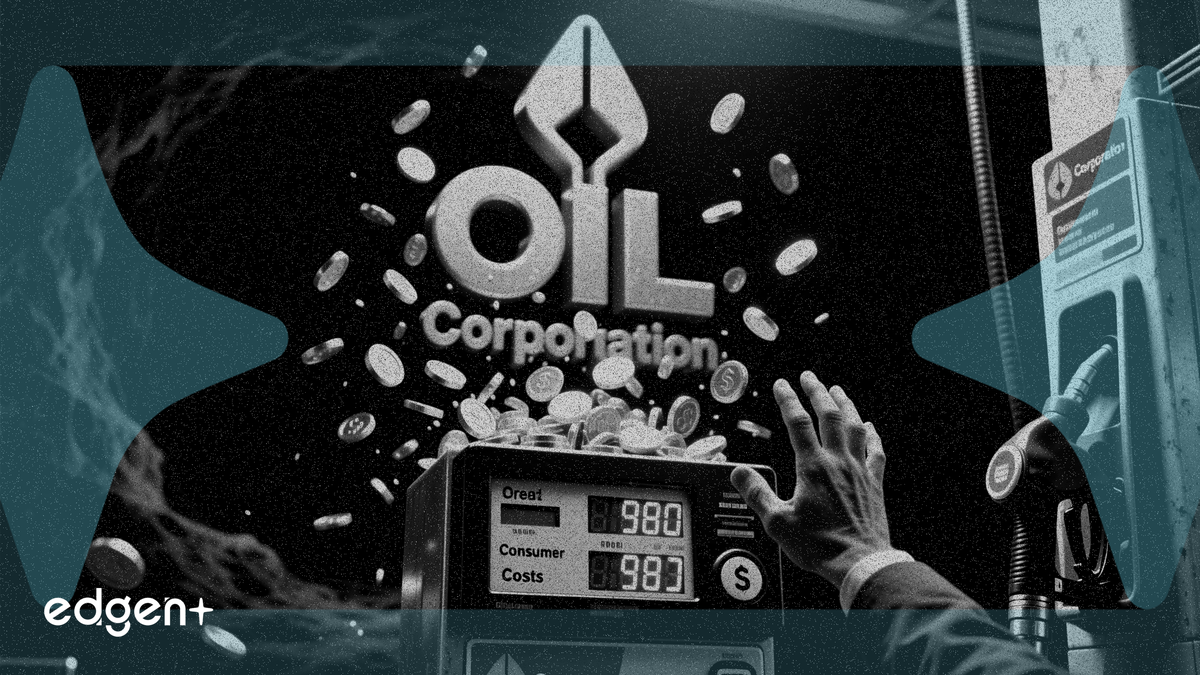
The world’s largest oil companies are maintaining strict spending discipline in the face of a historic energy shock, signaling to markets that multi-year highs for oil prices are not enough to alter a strategy that prioritizes shareholder payouts over new production.
“The macro environment remains volatile and pretty impossible to predict,” ConocoPhillips CEO Ryan Lance told investors Thursday. “Amid such uncertainty, it’s critical our priorities remain steadfast. They are clear, consistent, and they are durable.”
The stance comes as the blockage of the Strait of Hormuz, a critical chokepoint for a fifth of the world's crude, has pushed oil prices up nearly 80 percent since the start of the year to as high as $112 a barrel. In the U.S., average gasoline prices jumped 33 cents this week to $4.39 a gallon, the highest since the summer of 2022.
The industry’s refusal to boost capital expenditures, despite President Trump’s call to increase output, suggests that elevated energy costs will persist even after the strait reopens, as refilling depleted global inventories will keep demand robust for months to come.
Despite reaping the benefits of higher prices, the Western world’s biggest publicly traded oil companies—Exxon Mobil, Chevron, and others—are sticking to prewar spending plans. Since 2022, Exxon, Chevron and ConocoPhillips have spent a combined $301 billion on dividends and share repurchases, compared to $222 billion in capital expenditures.
In the first quarter, Exxon and Chevron posted earnings that beat Wall Street’s expectations, with Exxon collecting $13.8 billion in cash from operations. The companies spent at least 45 percent more on dividends and share repurchases than they did on new investments.
“We could hit the gas and begin to grow again,” Chevron CEO Mike Wirth said. “But I don’t know what the future looks like.”
The energy shock is manifesting most clearly for consumers. The national average price of gasoline is at its highest since the summer of 2022, with states like California seeing averages of $6.06 a gallon. In North Carolina, prices jumped 31 cents per gallon this week, impacting the state’s tourism-dependent economy.
“The psychological impact is big and it causes people to rethink whether they’re going to take the trip, or how long they are going to stay,” said Wit Tuttell, executive director of Visit North Carolina.
Refiners and exporters pulled 6.2 million barrels from U.S. oil inventories last week, surprising analysts who had expected a draw of only 100,000 barrels. The draw was spurred by record U.S. exports and refiners running at full tilt, with Phillips 66 operating at 95 percent of its capacity.
This article is for informational purposes only and does not constitute investment advice.

