
Conflicting signals from the White House, which has simultaneously called military strikes a "love tap" while trading fire with Tehran, have left oil markets and global shippers caught between hopes for a ceasefire and the risk of a wider war.
Conflicting signals from the White House, which has simultaneously called military strikes a "love tap" while trading fire with Tehran, have left oil markets and global shippers caught between hopes for a ceasefire and the risk of a wider war.
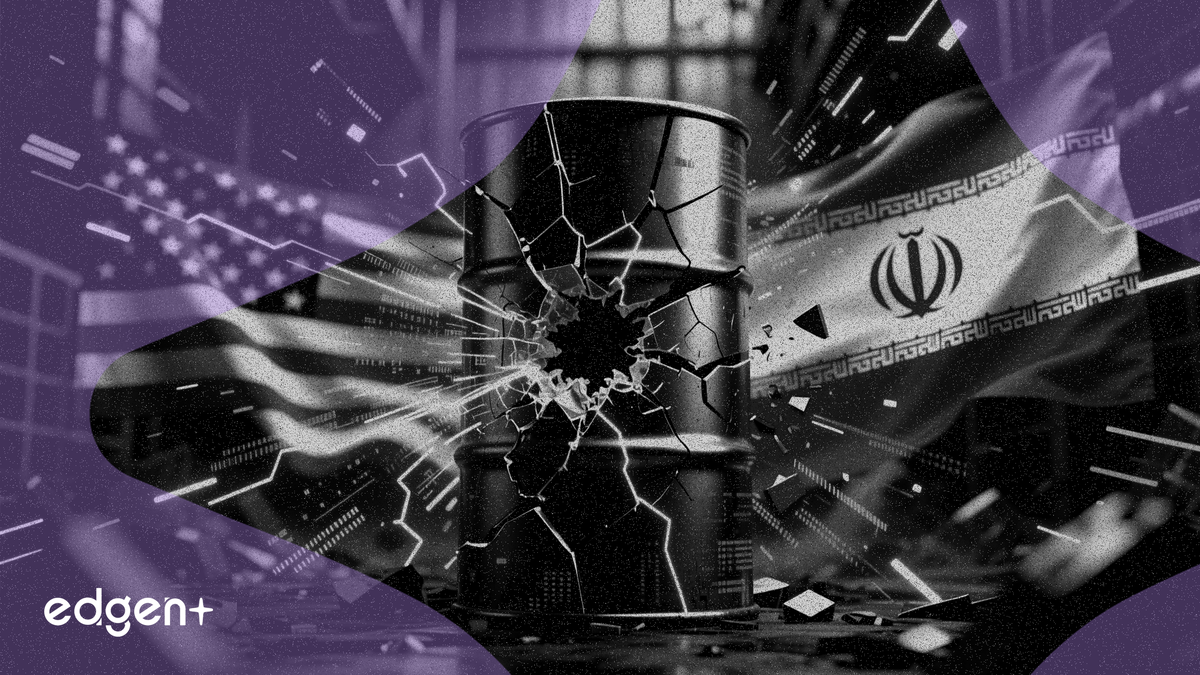
U.S. President Donald Trump’s characterization of a military strike on Iran as a mere “love tap” has injected fresh uncertainty into global markets, with the price of Brent crude settling near $100 a barrel as traders struggle to parse diplomacy from active conflict. While Trump insists a ceasefire is progressing, U.S. forces exchanged fire with Iran in the Strait of Hormuz Thursday, just a day after attacking an Iranian oil tanker that allegedly tried to breach the American blockade.
The chaotic messaging has a steep economic cost, with German shipping company Hapag-Lloyd saying the effective closure of the Strait of Hormuz is costing it around $60 million per week in higher fuel and insurance premiums. The waterway is a critical chokepoint, previously handling about 20 percent of the world’s crude oil transit before the conflict began.
The disconnect between White House rhetoric and military action intensified this week. Even as Secretary of State Marco Rubio declared the primary U.S. military operation, “Epic Fury,” was over, a U.S. fighter jet fired on an Iranian oil tanker in the Gulf of Oman. The next day, U.S. Central Command confirmed it struck Iranian military facilities after its destroyers were targeted by Iranian missiles, drones, and small boats in the strait.
These exchanges threaten to shatter a tenuous, month-old ceasefire and complicate diplomatic efforts. At stake is a fragile one-page proposal to reopen the strait and pause fighting for 30 days. The deal’s failure could reignite a broader conflict, while its success could unlock vital energy supplies and cool down spiking global prices.
The administration's attempts to manage the strait's security have been marked by confusion. A new mission, dubbed "Project Freedom," was announced by Trump over the weekend to provide U.S. military support for ships transiting the strait. However, the operation was abruptly paused just 36 hours after it began.
The reversal came after key ally Saudi Arabia, angered by the lack of coordination, suspended the U.S. military’s ability to use its bases and airspace for the operation, according to U.S. officials. The incident underscored the difficulty of building a regional coalition and left even close allies bewildered by the administration's erratic policy shifts.
While military assets remain on high alert, diplomatic channels are active. Iranian officials confirmed they are reviewing a U.S. proposal, relayed through Pakistani intermediaries, for a 30-day truce. According to reports, the plan includes lifting the U.S. blockade in exchange for Iran reopening the strait to commercial traffic.
The key stumbling block remains the future of Iran’s nuclear program. U.S. negotiators are reportedly demanding a moratorium on uranium enrichment and the handover of its existing stockpile. Iran has rejected these terms in the past, and Foreign Ministry spokesman Esmail Baghaei stated that proposals previously reported by Axios had been “strongly rejected.” China has also entered the diplomatic fray, with its foreign minister meeting his Iranian counterpart in Beijing to urge a comprehensive ceasefire ahead of a planned summit between Trump and Chinese President Xi Jinping.
This article is for informational purposes only and does not constitute investment advice.

