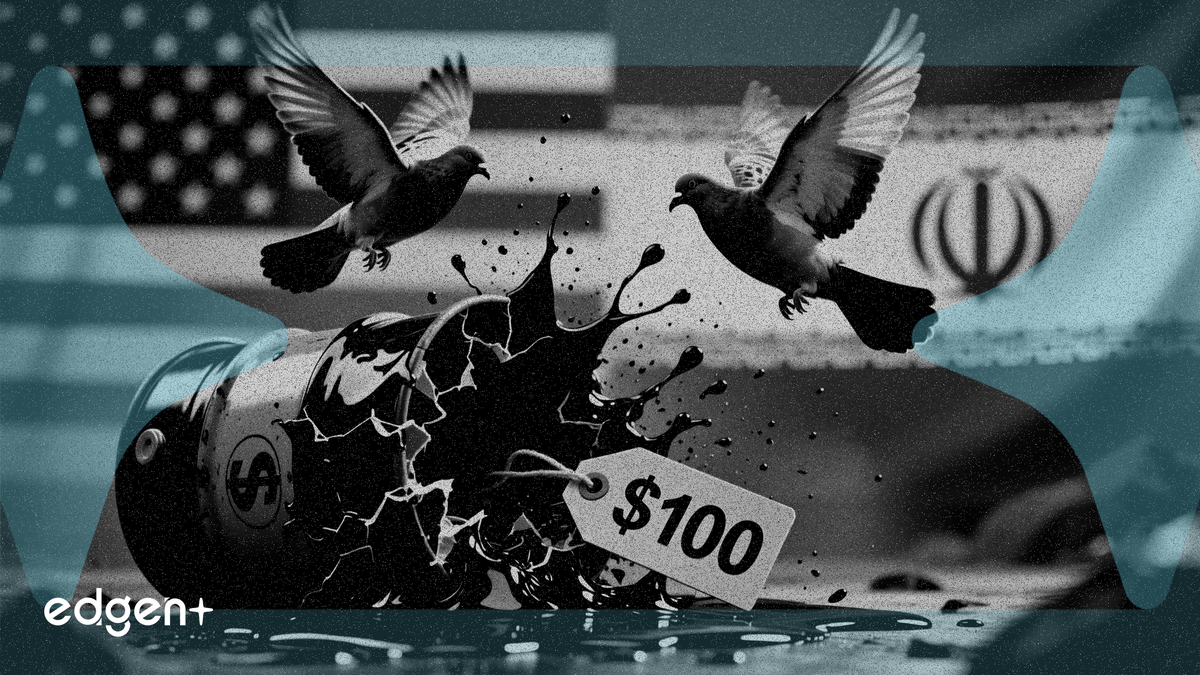
ABD-İran barış anlaşmasının yakın olduğuna dair raporların iki aylık çatışmanın sona ermesi ve kritik Hürmüz Boğazı'nın yeniden açılması umutlarını artırmasıyla, Brent petrol vadeli işlemleri 7 Mayıs Perşembe günü varil başına 100 doların altına düştü. WTI vadeli işlemleri de olumlu gelişmelerle geriledi.
Carlyle bünyesindeki Energy Pathways Strateji Başkanı Jeff Currie, Çarşamba günü Bloomberg'e verdiği demeçte yaklaşan yakıt kıtlığı hakkında "Bu kaçınılmaz, nokta," dedi. "Tüm bunları yeniden başlatmak o kadar uzun sürecek ki stoklar erimeye devam edecek."
Piyasadaki iyimserlik, Beyaz Saray'ın savaşı sona erdirmek için tek sayfalık bir mutabakat zaptı üzerinde anlaşmaya yakın olduğunu belirten Axios raporunu takip ediyor. Ancak enerji uzmanları, tükenen rezervlerin ve lojistik engellerin, bir anlaşma imzalansa bile yakıt kıtlığının ve yüksek fiyatların aylarca süreceği anlamına geldiği konusunda uyarıyor. Enerji odaklı bir yatırım araştırma firması olan HFI Research, ABD'nin iki hafta içinde "tampon" ham petrol ürün depolarının tükenebileceğini öngördü.
Petrol fiyatları, geçen hafta varil başına 126 dolarlık dört yılın en yüksek seviyesinden düştükten sonra en son 100 dolar civarında işlem gördü. Bir anlaşma İran arzının önünü açabilse de HFI Research analistleri, panik alımları ve tükenen stokların "dalga etkisi" ile fiyatların 2008'deki zirvesini aşarak varil başına 150 doların üzerine çıkabileceğini öngörüyor.
Barış anlaşması ihtimali, ABD Başkanı Donald Trump'ın bir anlaşmayı kabul etmemesi halinde İran'ı "çok daha yüksek bir seviye ve yoğunlukta" bombalamakla tehdit etmesiyle ortaya çıktı. Sosyal medya paylaşımında Trump, savaşın yakında sona erebileceğini ancak bunun İran'ın detaylandırmadığı rapor edilen anlaşmayı kabul etmesine bağlı olduğunu söyledi. Bir İran Dışişleri Bakanlığı sözcüsü, Tahran'ın önceki versiyonları reddettikten sonra ABD'nin son teklifini incelediğini söyledi.
Diplomatik hamlelere rağmen, fiziksel petrol piyasası ciddi şekilde bozulmuş durumda. Hürmüz Boğazı'nın kapatılması Basra Körfezi'nde yüzlerce ticari geminin sıkışıp kalmasına neden oldu. Büyük bir nakliye şirketi olan Hapag-Lloyd, kapanmanın kendisine haftada yaklaşık 60 milyon dolara mal olduğunu söyledi. Analistler, bir ateşkesten sonra bile nakliyecilerin ve sigortacıların boğazdan geçiş için güven kazanmalarının en az üç ay sürebileceği konusunda uyarıyor.
Bu gecikme, ciddi yakıt kıtlığının muhtemelen kaçınılmaz olduğu anlamına geliyor. Currie, Avrupa petrol depolarının Mayıs ayında "dip" yapacağını, ABD'nin ise muhtemelen 4 Temmuz'a kadar rezervlerinin tükeneceğini tahmin etti. Jet yakıtı ve dizelin, kıtlık yaşanacak ilk ürünler olması bekleniyor ki bu gelişmenin önemli enflasyonist sonuçları olacaktır.
Natixis CIB Americas Baş ABD Ekonomisti Christopher Hodge, Business Insider'a verdiği demeçte, "Uçak biletine, benzine veya teslim edilen mallara daha fazla ödeme yapan hanelerin başka yerlere harcayacak daha az geliri olur," dedi. Bu etki, restoranlar ve perakende gibi isteğe bağlı harcama kategorilerine de yansıyacaktır.
Arz daralması bazı enerji şirketleri için büyük karlar sağladı. Shell, ham petrolün artan maliyeti sayesinde önceki çeyreğin iki katından fazla olan 6,92 milyar dolar temel kazanç bildirdi. Sonuçlar, kampanyacıların enerji şirketlerine yönelik daha güçlü bir ek vergi çağrısı yapmasına neden oldu.
Bu makale sadece bilgilendirme amaçlıdır ve yatırım tavsiyesi teşkil etmez.