For retirees who admire Warren Buffett, Berkshire Hathaway’s zero-dividend policy is a long-running frustration. The VistaShares Target 15 Berkshire Select Income ETF (NYSEARCA:OMAH) was created to solve this, delivering a 15% annualized yield by converting Buffett’s stock picks into monthly income.
"The fund is built to plug that gap," analysts note, referring to the disconnect between Berkshire's on-paper compounding and the lack of cash flow for investors who need it. OMAH holds a basket of equities modeled after Berkshire's portfolio and writes covered calls to generate its distributions.
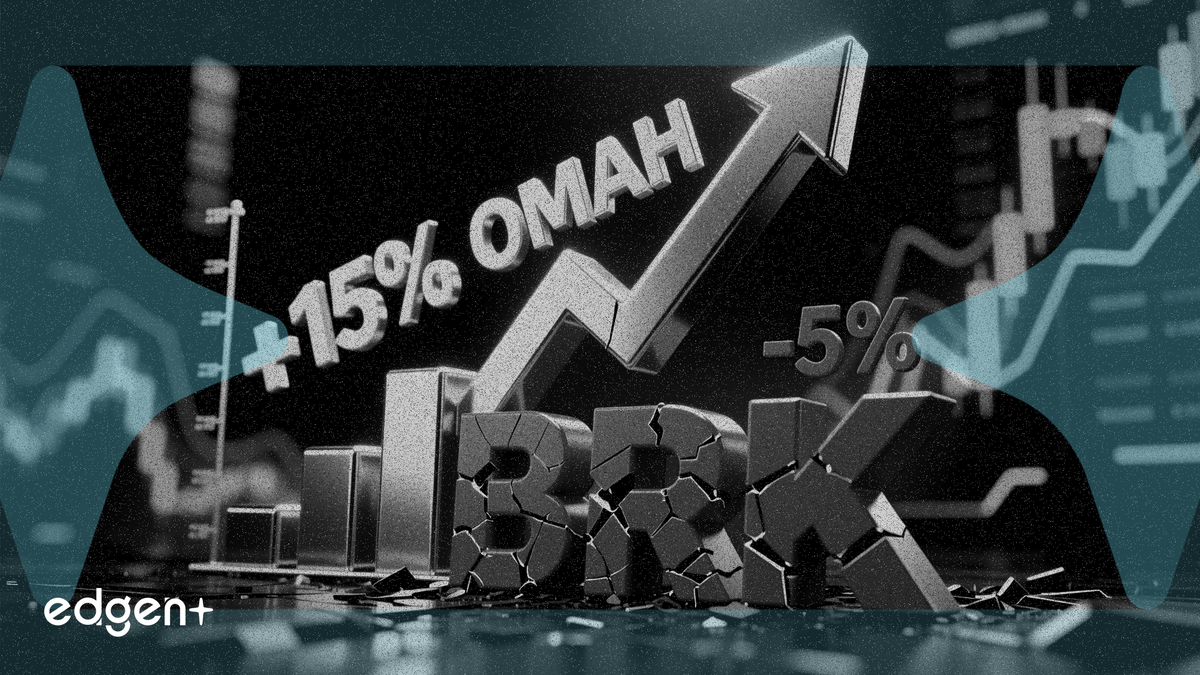
Over the past twelve months, OMAH gained 13% on price appreciation alone, on top of its substantial monthly payouts. In the same period, Berkshire Hathaway's Class B shares fell 5%. However, the long-term view favors the parent company, with BRK-B surging 70% over five years, highlighting the upside potential that OMAH investors sacrifice for income.
This trade-off is the central cost of generating a monthly paycheck from a historically zero-dividend compounder. While OMAH has recently outperformed, its strategy of selling covered calls means it will miss out on the significant gains of the next major Berkshire rally, capturing only the fixed option premium.
How The Fund Works
OMAH is an actively managed ETF holding approximately 21 positions based on Berkshire Hathaway's largest 13F stakes, including Apple (NASDAQ:AAPL) and Bank of America (NYSE:BAC). It charges a 0.95% expense ratio, which is in line with similar option-based income funds. The fund’s engine combines direct equity exposure with a systematic covered-call overlay, selling short-term options to generate the cash used for its consistent monthly distributions, which have ranged between $0.22 and $0.25 per share.
Trade-Offs to Consider
Investors considering OMAH must weigh several risks. In strongly trending markets, covered call funds risk NAV decay as their holdings are "called away," limiting capital gains. The distributions also create tax complexity, as they often consist of option premiums and a return of capital, which are taxed differently than qualified dividends. Furthermore, the fund mirrors the concentration of Berkshire's portfolio, with Apple representing a significant single-stock risk.
Who It Fits
OMAH is designed for a specific niche: retired investors who want exposure to Buffett's strategy but prioritize automated monthly income over maximizing long-term growth. For those with a timeline of ten years or more, holding BRK-B directly and selling shares as needed for cash flow typically offers a better path to wealth creation. For a more diversified alternative, the JPMorgan Equity Premium Income ETF (NYSE:JEPI) provides a similar income strategy on the S&P 500 at a lower expense ratio.
The fund’s performance offers a clear signal for income-focused investors, but it comes at the cost of sacrificing the explosive, long-term compounding that made Berkshire famous. Investors will watch to see if OMAH can sustain its high yield without significant NAV erosion, particularly if Berkshire's core holdings begin their next major rally.
This article is for informational purposes only and does not constitute investment advice.