
Six months into the Middle East conflict, OPEC+ has lost its ability to move oil markets — and China's demand has taken over as the price-setting force.
Six months into the Middle East conflict, OPEC+ has lost its ability to move oil markets — and China's demand has taken over as the price-setting force.
OPEC+ accounted for about 40 percent of global oil output in July, down from over 48 percent before the Iran war began in late February, according to Reuters calculations based on International Energy Agency data.
"They've become the swing demand centre," June Goh, an analyst at Sparta Commodities, said of China's role in balancing oil markets.
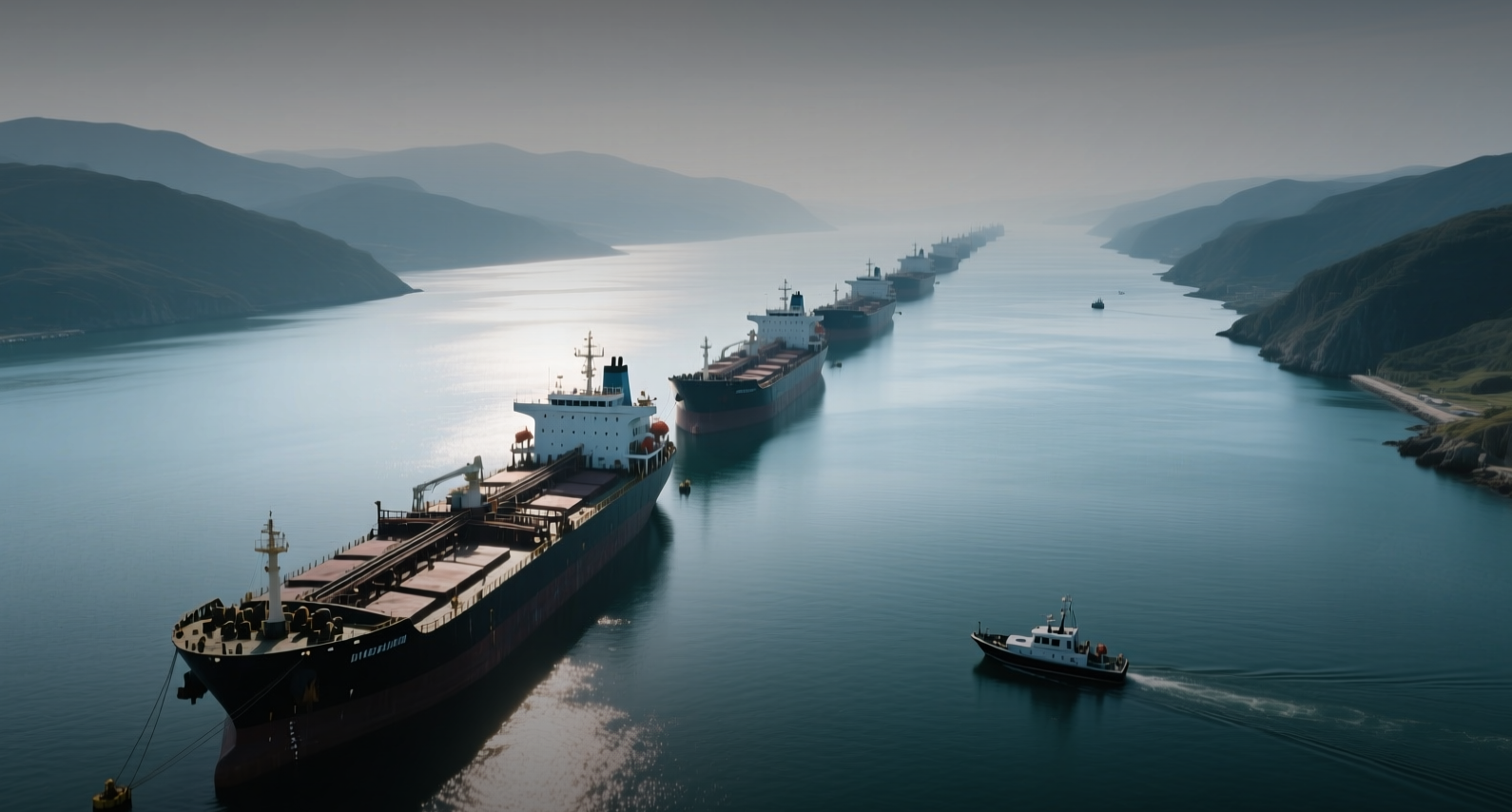
Since the war began, China has bought roughly 400 million fewer barrels of oil than during the same period last year. June crude imports fell to their lowest level in nearly a decade. The decline reflects a ban on fuel exports, lower refining output, and the growing use of electric transport. Meanwhile, OPEC+ has announced six output increases since March, but most have remained on paper because the Strait of Hormuz — a key export route for Saudi Arabia, Iraq, and Kuwait — remains effectively shut.
The shift from supply-led to demand-led pricing has structural implications. OPEC+ decisions barely move prices now, apart from a brief July spike when a U.S.-Iran ceasefire raised hopes Hormuz would reopen. The core group of seven producers, including Saudi Arabia and Russia, now accounts for only a quarter of world output. With China's import cuts acting as a price ceiling, crude upside remains capped even as the worst supply disruption in decades unfolds.
The UAE's exit from OPEC in May accounted for four to five percentage points of the share decline. But the broader erosion reflects a deeper structural problem: the war has simultaneously constrained multiple producers, reducing the group's ability to offset losses elsewhere. OPEC was formed in 1960, and the expanded OPEC+ framework was created in 2016 when Russia and other producers joined to counter the group's shrinking share of world oil production. OPEC's share peaked at about 50 percent during the oil crises of the 1970s before falling to 30 percent by the mid-1980s as output from the North Sea, Alaska, and Siberia increased.
Wartime supply disruptions are not new for OPEC — from Kuwait during the 1990-91 Gulf War to Iraq following the 2003 U.S.-led invasion. What is unusual now is the scale of the outage, which is constraining multiple producers simultaneously and reducing the group's ability to offset losses elsewhere. The war has also damaged energy infrastructure in several OPEC countries, further limiting actual export capacity.
The contrast with 2019 is striking. Then, OPEC+ and then-President Donald Trump regularly clashed over oil prices, and OPEC+ decisions were closely watched by traders for their potential market impact. The key question was how much oil OPEC+ chose to pump. Now, the focus is how much oil can physically be produced and exported during a Middle East war. OPEC+ says its decisions are aimed at supporting market stability and it does not target a specific oil price.
The six announced output increases since March have had little effect on prices, apart from in July during the brief ceasefire. This stands in sharp contrast to the pre-war era when OPEC+ statements and policy decisions regularly moved markets.
China's weaker demand for oil has helped place a ceiling on prices this year. By contrast, its buying spree last year — which may have accounted for as much as half of global oil demand growth — helped underpin the market. The country's electrification of trains, trucks, and cars allows people to travel without fuel, while refining cuts and export restrictions have further reduced import needs. Ilia Bouchouev of the Oxford Institute for Energy Studies said China's demand-side measures have made the country a key balancing force in global oil markets.
The demand-side shift carries consequences beyond crude. Oil-producing nations face reduced revenue visibility as OPEC+ struggles to influence prices. Energy equities and inflation dynamics will increasingly track Chinese consumption data rather than OPEC+ meeting outcomes. The next test comes when the Strait of Hormuz reopens — if it does — and OPEC+ attempts to translate its paper production increases into actual barrels.
This article is for informational purposes only and does not constitute investment advice.
