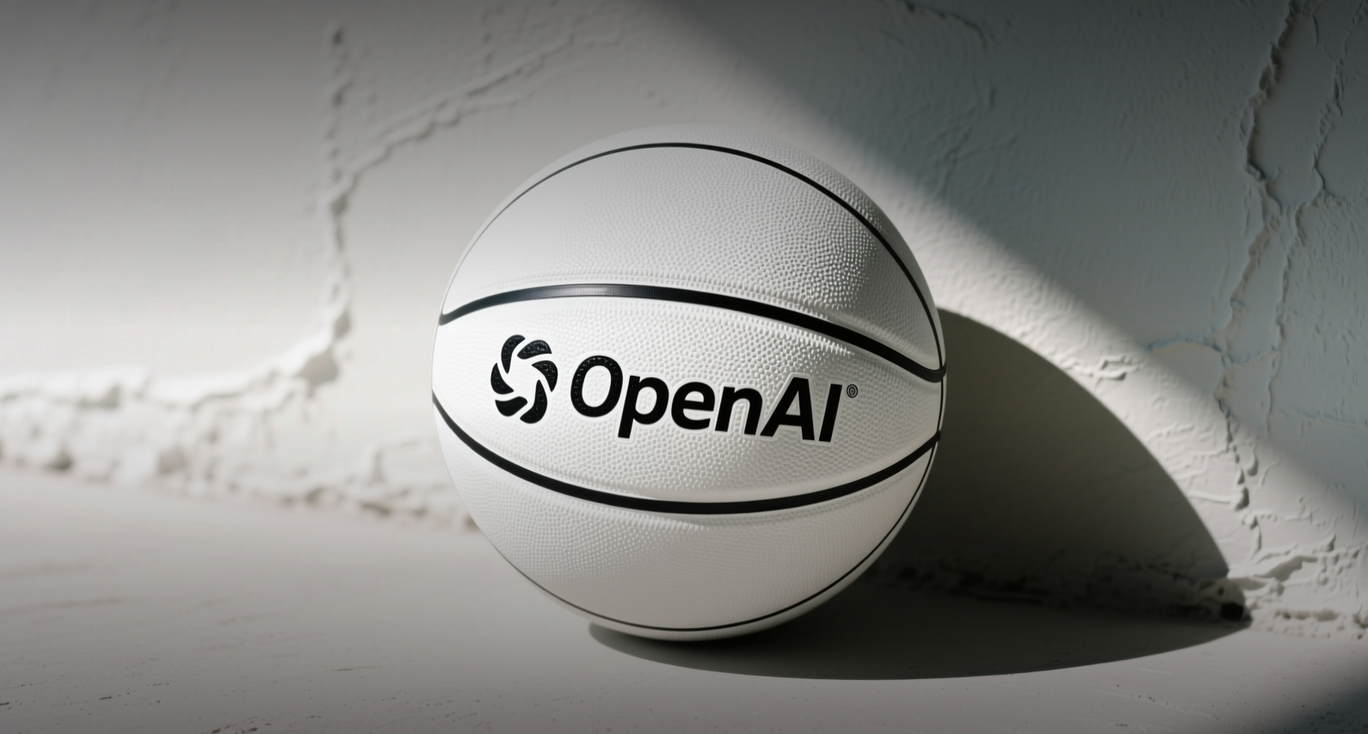
OpenAI, the creator of ChatGPT, launched a line of branded lifestyle merchandise including shirts and basketballs, becoming the latest technology company to test whether its corporate brand can drive consumer product sales.
"The numbers don't lie," an OpenAI spokesperson said of early sales figures, according to the Wall Street Journal. The company declined to disclose specific revenue targets or sales volumes for the merchandise line.
The collection includes apparel and sports products bearing the OpenAI logo, drawing criticism from skeptics who questioned the move and purchases from superfans eager to show brand affiliation. The launch follows similar efforts by other technology companies — Palantir Technologies has long sold branded hoodies and accessories to its community, while Tesla offers a range of lifestyle products from tequila to cyberwhistles. Apple's branded merchandise, sold through its retail stores, generates an estimated several hundred million dollars annually, though the company does not break out the figure.
For OpenAI, the merchandise push represents a branding diversification strategy as the AI industry becomes increasingly competitive. Rivals including Anthropic, Google, xAI, Meta, and DeepSeek have all released competitive models, narrowing performance gaps and pressuring prices. The lifestyle line may help boost consumer brand recognition, though it has no material impact on OpenAI's valuation or competitive position in the AI model market.
The move comes as OpenAI expands beyond selling AI model access into enterprise software. Earlier this year, the company launched OpenAI Presence, a tool that helps businesses deploy AI agents by connecting them to internal corporate data, policies, and workflows. The service includes features for testing agents through simulations, guardrails, and automated quality checks, and is already powering OpenAI's own AI phone support for English-speaking customers.
OpenAI also deepened its physical footprint, signing a large lease in Bellevue, Washington, near the headquarters of Microsoft and Amazon. The office expansion shows the company's commitment to the Seattle region as it scales operations beyond its San Francisco base.
The branded merchandise, while unlikely to move revenue meaningfully for a company valued at hundreds of billions of dollars, serves as a marketing tool that keeps the OpenAI name visible in everyday consumer contexts. As AI models become increasingly commoditized, brand differentiation may become a more important competitive factor. For investors tracking the AI sector, the lifestyle line is a marginal development — the real battleground remains model performance, inference costs, and enterprise adoption rates.
This article is for informational purposes only and does not constitute investment advice.