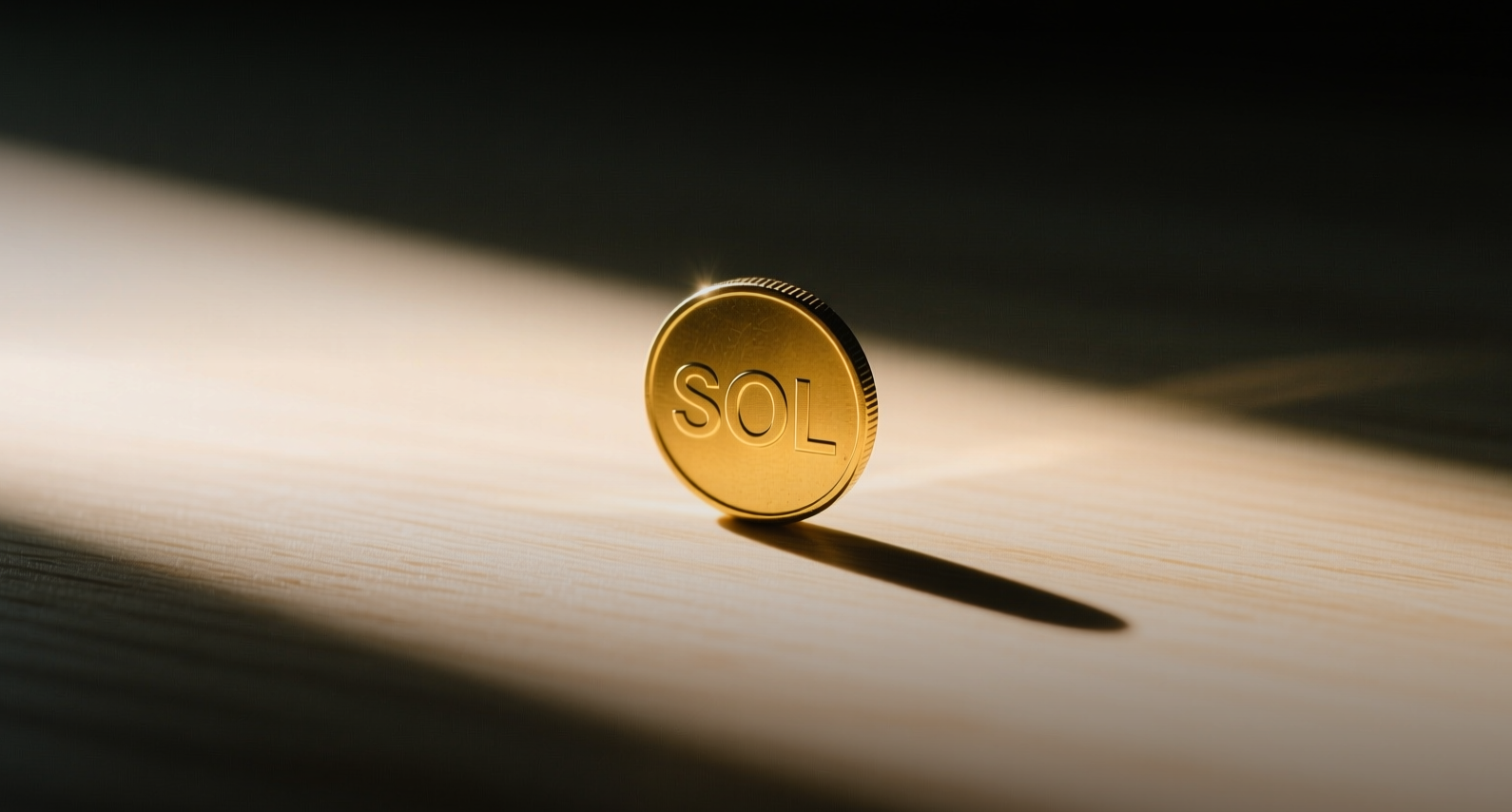
OpenAI unveiled three GPT-5.6 models — Sol, Terra and Luna — names mirroring the Solana and Terra ecosystems, boosting SOL and LUNA sentiment.
"The naming convention is a major cultural win for crypto," said Alex Kruger, founder of crypto research firm Asgard Markets. "Solana and Terra just got free brand exposure to millions of AI users."
GPT-5.6 Sol, the flagship model, scored 88.8% on TerminalBench 2.1, edging past Anthropic's restricted Mythos model at 88.0%, according to OpenAI's published benchmarks. Terra, positioned as a mid-tier option at half Sol's price, scored 84.3% — tied with Claude Fable 5. Luna, the economy model, targets high-volume workloads at $1 per million input tokens. All three models are available in limited preview to partners vetted by the US government, with broader access expected in the coming weeks.
The naming carries particular weight for Solana, whose SOL token has been competing for developer mindshare against Ethereum and newer L1 chains. OpenAI's choice positions Solana's brand alongside one of the most anticipated AI releases of the year. For Terra, the reference revives attention on an ecosystem that collapsed in 2022 but has since rebuilt around a new Terra blockchain. The immediate beneficiary is likely SOL, which saw increased trading volume and social mentions within hours of the announcement.
OpenAI said it previewed the models to the US government ahead of Friday's launch and limited access to a small group of trusted partners at the government's request, per an agreement with the Defense Department. The company expressed hope the restrictions would not become permanent, stating it "doesn't believe this kind of government access process should become the long-term default."
The GPT-5.6 series introduces two new reasoning modes: max, which allocates more compute time for deeper responses, and ultra, which coordinates multiple subagents in parallel. Sol Ultra scored 91.9% on TerminalBench — the highest of any publicly disclosed model. OpenAI dedicated more than 700,000 A100-equivalent GPU hours to automated red-teaming focused on universal jailbreak attacks, the company said.
Pricing for Sol matches GPT-5.5 at $5 per million input tokens and $30 per million output tokens. Terra costs $2.50 and $15, while Luna costs $1 and $6. OpenAI also redesigned prompt caching with a minimum 30-minute cache lifetime and explicit cache breakpoints, making costs more predictable for developers running long agentic sessions. In July, OpenAI plans to launch Sol on Cerebras hardware at up to 750 tokens per second for select customers.
This article is for informational purposes only and does not constitute investment advice.