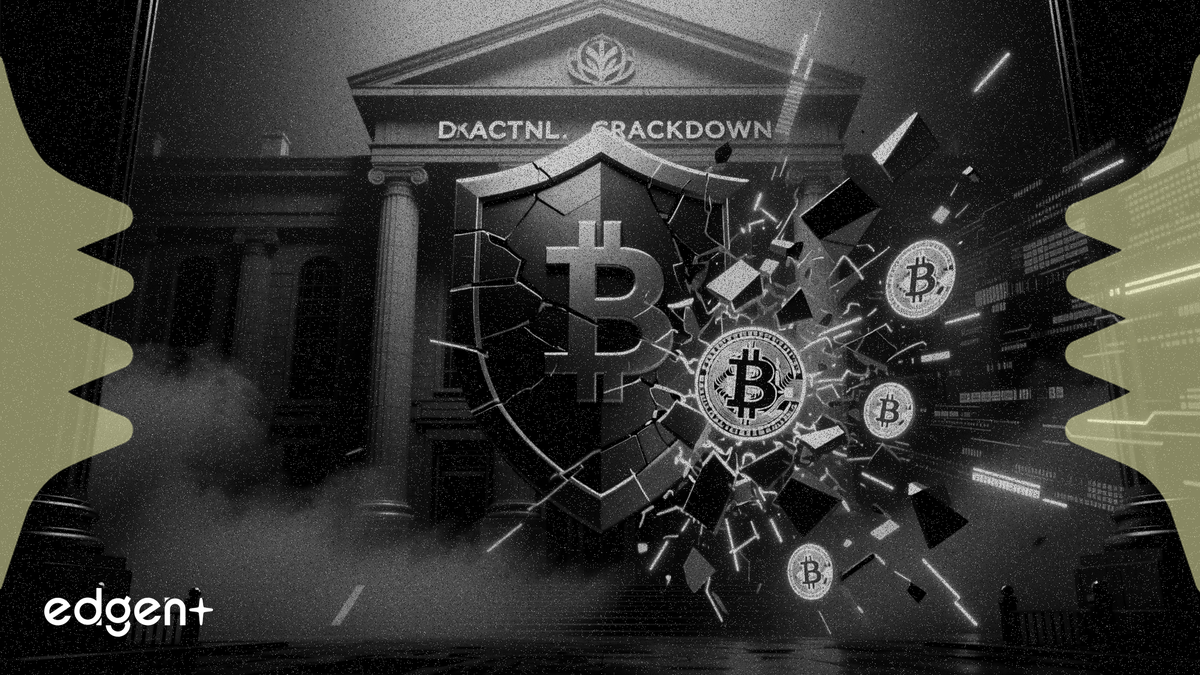
The Bangko Sentral ng Pilipinas (BSP) issued a formal warning to the public against using unauthorized Virtual Asset Service Providers (VASPs), signaling a significant tightening of crypto regulation that will include blocking platform access in collaboration with other government agencies.
"Dealing with unlicensed entities poses significant risks including the loss of funds due to fraud, scams or operational failures like security breaches and bankruptcy," the BSP said in a statement released May 8. The central bank noted that consumers using these platforms lack legal recourse and are vulnerable to market misconduct.
The crackdown will involve a multi-agency effort, with the BSP coordinating with the Securities and Exchange Commission (SEC) and the National Telecommunications Commission (NTC) to conduct market surveillance and ultimately restrict access to the unlicensed crypto exchanges. The BSP maintains a public list of 17 authorized VASPs on its website for consumers to verify a platform's status.
This action in the Philippines reflects a broader global trend of regulators moving to establish clearer frameworks and enforcement for the digital asset industry. The move comes as the U.S. Senate Banking Committee prepares to mark up its own market structure bill, the Clarity Act, and the European Central Bank advocates for its own digital euro to counter the dominance of dollar-pegged stablecoins. For the estimated 5 million crypto users in the Philippines, the BSP's intervention could restrict market access in the short term but aims to provide greater long-term security and stability.
This article is for informational purposes only and does not constitute investment advice.