AIインフラのスタートアップによる大規模な初期段階の資金調達は、市場の関心がモデル学習という「力業」の支出から、モデルを運用する経済性へと移行していることを示しています。5月20日、AIインフラプロバイダーの棲景科技(Qijing Technology)は、StarLink Capitalと華控技術(Huakong Technology)が共同主導し、既存株主の高瓴資本(Hillhouse Capital)も参加した数億元規模のPre-Aラウンドを完了したと発表しました。
慎重なベンチャー投資市場におけるこの多額の資金調達は、投資家の関心が「大きければ大きいほど良い」というモデル競争から、商用展開の実践的な課題へと移っていることを示しています。市場は現在、AIモデルを大規模に使用する際に生じる、高額でしばしば非効率なコスト(推論と呼ばれるプロセス)を解決できる企業を評価しています。
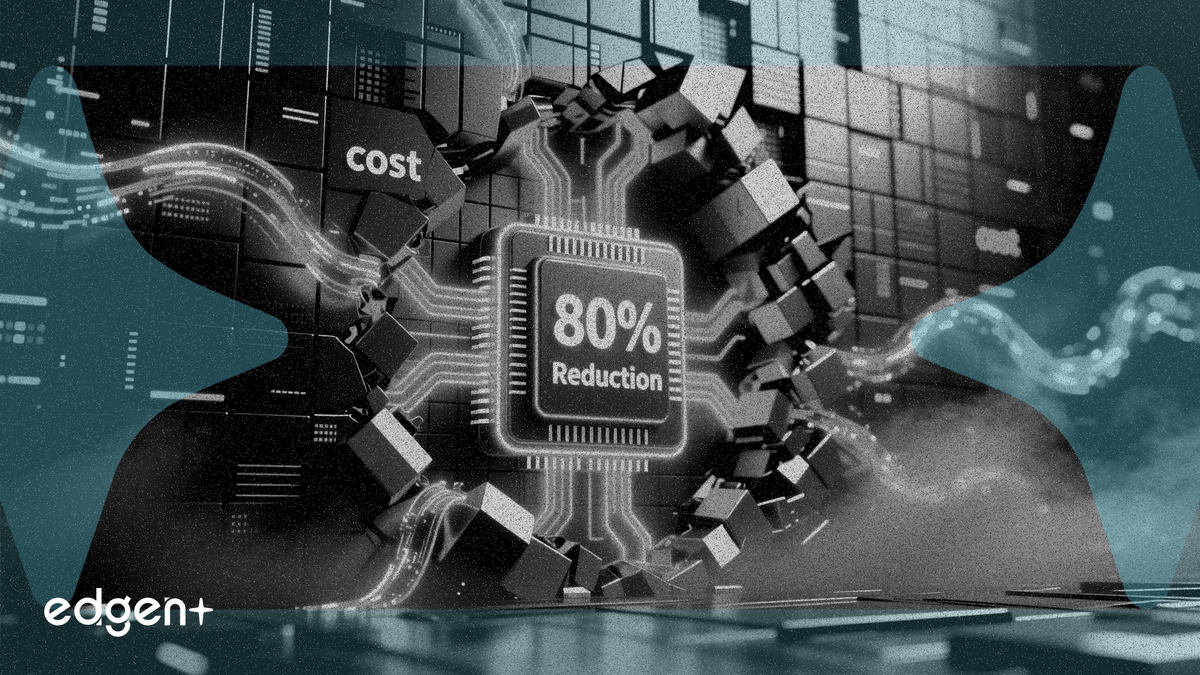
棲景科技の核心的なテーゼは、業界の「Model-as-a-Service (MaaS)」への注目は誤りであるというものです。代わりに、同社はAI出力の単位をコストに直接結びつける「Token-as-a-Service (TaaS)」を提唱しています。同社はAI展開における致命的な非効率性である、ハードウェアの稼働率をターゲットにしています。従来の推論手法は高価なGPUメモリに大きく依存しており、システムのCPUや標準RAMの多くがアイドル状態のまま放置され、全体のハードウェア稼働率はしばしば20%を下回ります。棲景科技の「六合(Liuhe)」アーキテクチャと「閱兵(Yuebing)」技術は、AI処理の主要コンポーネントであるKVキャッシュの管理方法を再設計することでこれを解決し、高価なGPUへの依存を減らすことを目指しています。同社はすでに智譜(Zhipu)のGLMなどの主要モデルに推論サービスを提供しており、毎日1兆個近いトークンを処理しています。
効率性への注目の高まりは、AI業界がスケーリングに潜む隠れたコストに直面している時期と重なっています。数兆のパラメータで学習された大規模言語モデル(LLM)は強力ですが、運用コストが高く、多くのタスクにおいて非効率な場合があります。一部の企業では、特定のアプリケーションにおいて、より小型でコンパクトなモデルの方が大型モデルよりも5〜10倍速く応答し、パフォーマンスとコストのバランスが優れていることに気づき始めています。これにより、初期のモデルコストを超えて、メンテナンス、監視、エネルギー消費などの継続的な支出を含む総所有コスト(TCO)を最適化できるインフラプロバイダーにとって、明確な商機が生まれています。
新たな競争の舞台
推論最適化の必要性は、コンピューティングパワーの需給バランスの崩れによってさらに強まっています。2026年3月、テンセントクラウド、アリババクラウド、百度智能雲などの主要プロバイダーはAIコンピューティングサービスの価格を引き上げ、一部のモデルコストは460%以上上昇しました。このような環境は、棲景科技のような専門企業にとって大きなチャンスを生み出しています。
しかし、同社は激しい競争に直面しています。AIインフラ分野には、Silicon FlowやMoreThanAIといった他のベンチャー企業だけでなく、強力な既存のクラウド大手も存在します。アリババクラウド、ファーウェイクラウド、バイトダンスの火山引擎(Volcano Engine)といったテック巨人は、いずれも自社のフルスタックAIインフラ能力を構築しています。成功するために、棲景科技はこの資金を活用して十分に深い技術的な堀を築き、巨人がその差を縮めたり、マス市場向けに「十分に良い」セットサービスを提供したりする前に、顧客の忠誠心を確保しなければなりません。同社の成功は、急速に進化する業界において、技術的な優位性を持続的な商業成長に変えられるかどうかにかかっています。
本記事は情報提供のみを目的としており、投資勧誘を目的としたものではありません。