
Qualcomm consolide sa position de gardien de l'ère de l'IA embarquée, une initiative qui a fait grimper son action de plus de 42 % en seulement cinq jours.
Qualcomm consolide sa position de gardien de l'ère de l'IA embarquée, une initiative qui a fait grimper son action de plus de 42 % en seulement cinq jours.
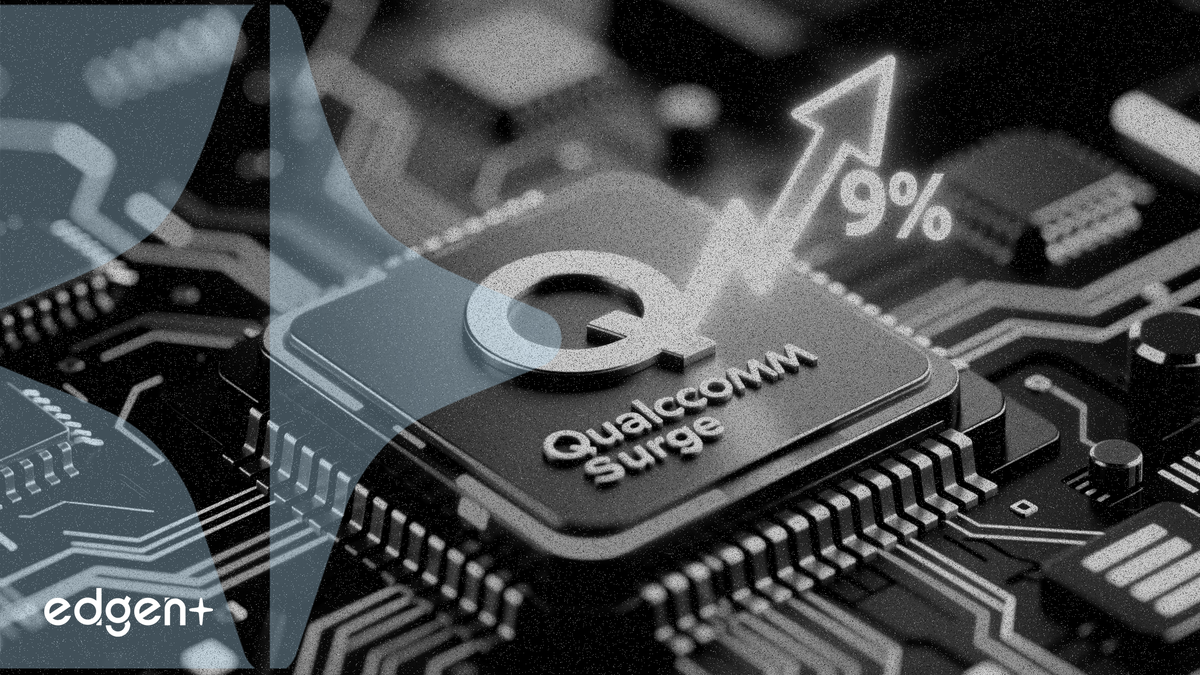
Les actions de Qualcomm ont bondi de plus de 9 % pour atteindre un nouveau record historique de 239,24 $ lundi, prolongeant un rallye de plusieurs semaines alors que les investisseurs adhèrent à la stratégie de l'entreprise visant à dominer la prochaine vague d'intelligence artificielle s'exécutant directement sur les appareils grand public.
« Le deuxième trimestre a marqué le point bas pour la Chine car les clients arrivent au bout de leurs stocks », a déclaré le PDG Cristiano Amon lors d'une récente conférence téléphonique sur les résultats, signalant une reprise du marché crucial des téléphones portables qui constitue le fondement de son offensive dans l'IA.
Le gain de 9,2 % sur une seule journée a porté son rallye de cinq jours à plus de 42 %, atteignant un nouveau sommet historique en séance de 247,90 $, selon Dow Jones Market Data. Ce mouvement survient après que Qualcomm a dévoilé de nouveaux processeurs Snapdragon conçus spécifiquement pour l'IA générative embarquée, un changement qui, selon les analystes, entraînera une hausse des prix de vente moyens et accélérera les cycles de remplacement des téléphones.
Ce rallye est un défi direct au récit de l'IA centrée sur le cloud dominé par Nvidia. En se concentrant sur l'inférence embarquée et économe en énergie, Qualcomm parie que l'avenir de l'IA sera local, privé et indépendant de la connectivité — un marché où ses conceptions intégrées de modem et de processeur offrent un avantage concurrentiel significatif. Pour les investisseurs, l'action se négocie toujours à un ratio cours/bénéfice prévisionnel de 23x, une décote par rapport à de nombreux pairs de l'IA.
Pendant des années, Qualcomm a conçu des puces pour les deux contraintes majeures des appareils mobiles : l'efficacité énergétique et la connectivité. Cette focalisation est désormais son avantage principal alors que le traitement de l'IA passe des centres de données centralisés vers la périphérie (« edge »).
Les plateformes Snapdragon de la société répartissent les tâches d'IA entre des processeurs spécialisés — une unité de traitement neuronal (NPU) pour les calculs d'IA à gros volume, un GPU pour les visuels et un CPU pour la logique applicative. Cette approche intégrée, qui inclut le modem sur la même puce de silicium, est difficile à reproduire pour les concurrents et est spécialement conçue pour les contraintes de puissance et de mémoire des appareils dépourvus de la mémoire à large bande passante que l'on trouve dans les puces de centres de données. Chaque progrès dans l'efficacité des modèles d'IA, comme la quantification et l'élagage, rend simultanément le matériel de Qualcomm plus puissant et capable d'exécuter des modèles complexes localement.
La clientèle pour cette technologie s'étend bien au-delà des fabricants de smartphones. Qualcomm enregistre des victoires majeures dans les secteurs de l'automobile et de l'industrie. Sa nouvelle plateforme Dragonwing IQ10, par exemple, dispose d'un NPU avec jusqu'à 700 TOPS de performance d'IA embarquée, ciblant les applications industrielles. La société a également été sollicitée par un acteur majeur du cloud pour des puces de serveurs IA personnalisées, diversifiant ses revenus loin du marché cyclique des mobiles.
Wall Street reste constructif, les analystes soulignant la combinaison d'un marché des smartphones en reprise et du potentiel de croissance à long terme de l'IA à la périphérie. La performance récente de l'action reflète un marché qui commence à intégrer ce changement stratégique, tandis qu'un rendement du dividende de 1,83 % ajoute à son attrait.
Cet article est à titre informatif uniquement et ne constitue pas un conseil en investissement.
