

The memory-chip crisis is pushing up secondhand smartphone prices, with the average iPhone 15 Pro Max climbing from $530 in January to $560 in May.
The memory-chip crisis is pushing up secondhand smartphone prices, with the average iPhone 15 Pro Max climbing from $530 in January to $560 in May.
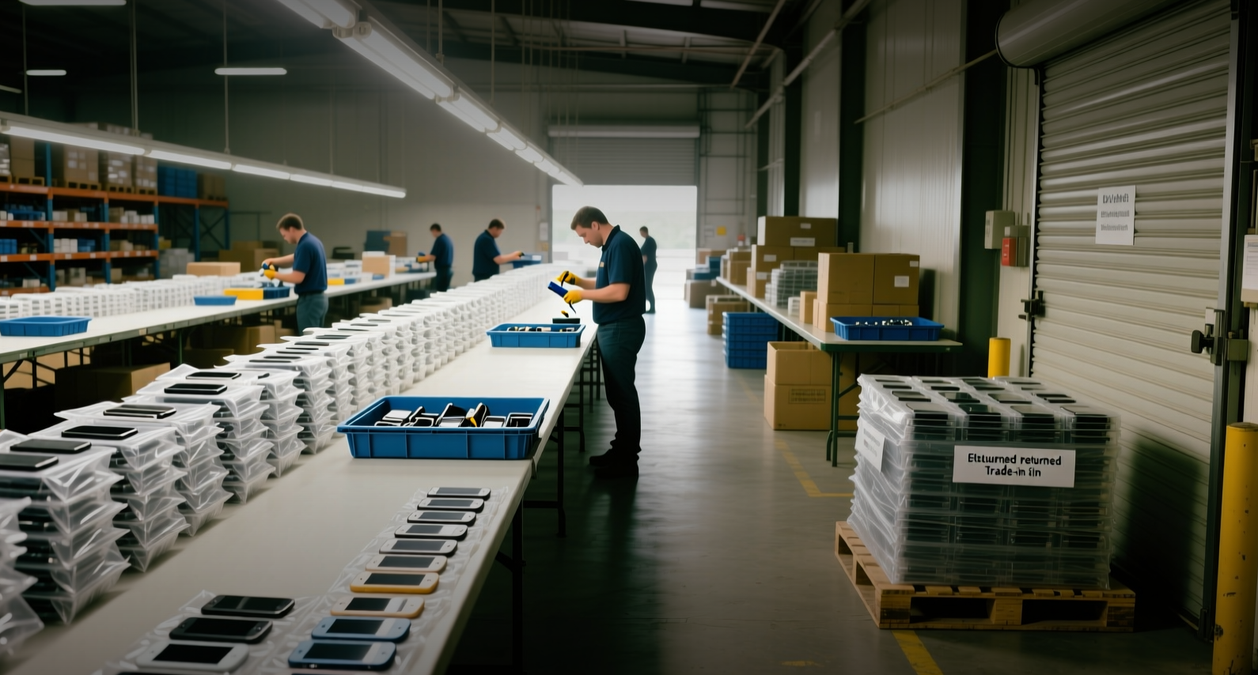
The memory-chip crisis is pushing up secondhand smartphone prices, with the average iPhone 15 Pro Max rising about 6 percent from $530 in January to $560 in May, bucking the historical trend.
"Preowned phones typically lose 1% of their value every week, essentially half their value in a year, but prices are actually going up this year," Sean Cleland, vice president at B-Stock, which sells preowned goods to businesses, said.
The squeeze traces to a global shortage of DRAM and high-bandwidth memory. Conventional DRAM contract prices jumped about 90-98 percent quarter-on-quarter in the first quarter of 2026, while DRAM and NAND prices have risen 200-400 percent in some segments since the shortage intensified. Samsung, SK Hynix and Micron, which together control about 95 percent of the DRAM market, have shifted capacity toward higher-margin HBM chips used in AI systems, leaving less supply for PCs, smartphones and conventional enterprise hardware.
The rising cost of used devices matters because the secondhand market has become a refuge for budget-conscious buyers as new phones, laptops and servers climb in price. Apple, Microsoft, Dell, Lenovo, HP and HPE have raised prices on phones, computers and servers by up to 15 percent, pushing more consumers toward refurbished gear.
Buying secondhand carries hazards that grow as prices rise. A jury-duty scam reported by The Wall Street Journal involved a refurbished Samsung Galaxy S24 Ultra likely laden with spyware that let attackers view the victim's texts, web searches and location. Security experts say preinstalled malware is rare, but other dangers are more common: activation-locked devices, non-genuine replacement parts, outdated models and counterfeits.
"More modern devices offer better overall security and support for updates," said William Enright, a consultant at security firm NCC Group. Recent flagship models from Samsung, Alphabet's Google and Apple receive up to seven years of software updates, so older devices may no longer get security patches.
Sellers may offer bargain prices for phones with shoddy repairs — a faulty port, malfunctioning screen or bad battery. "There is a good chance the device has non-genuine parts, which raises a safety question as much as a security one," said Tzvika Shahaf, chief product officer at Blancco, which specializes in data erasure. A low-quality battery can catch fire, and a modified circuit board can bypass normal security guards.
Buying directly from manufacturers is the safest route, said Ben Bernstein, who leads a team of advisers at cybersecurity firm Huntress. Apple, Samsung and Google run certified refurbished programs that use genuine replacement parts, install the latest software and offer a one-year warranty. Preowned devices from wireless carriers are the next best option, since they undergo extensive cleaning and data wiping.
Bernstein is more wary of independent sellers on online marketplaces. "Amazon may set the rules, but they aren't the ones wiping the drive," he said. An Amazon spokesman said Renewed sellers must meet rigorous quality standards, with smartphones requiring a full factory reset that removes spyware and forensic destruction of personal data. Amazon's "Renewed Premium" grade offers a 365-day return period, compared with 90 days, and a starting battery capacity of at least 90 percent.
Counterfeits are a bigger problem outside the U.S., Enright said, with poor build quality, missing features such as Find My and typos on the box as the biggest tipoffs. Buyers can verify a device's IMEI serial number on Swappa to check whether it is restricted or activation-locked.
The memory crunch shows no quick fix. Chip fabrication plants can cost up to $20 billion and take years to reach full production, so US firms are locking in supplies with multi-year contracts and passing higher costs to consumers. For investors, the winners are memory makers Samsung, SK Hynix and Micron, which are prioritizing higher-margin HBM products, while hardware vendors Apple, Dell and HP absorb margin pressure or pass costs along. The used-device market, meanwhile, is set to keep growing as new-device prices climb.
This article is for informational purposes only and does not constitute investment advice.
