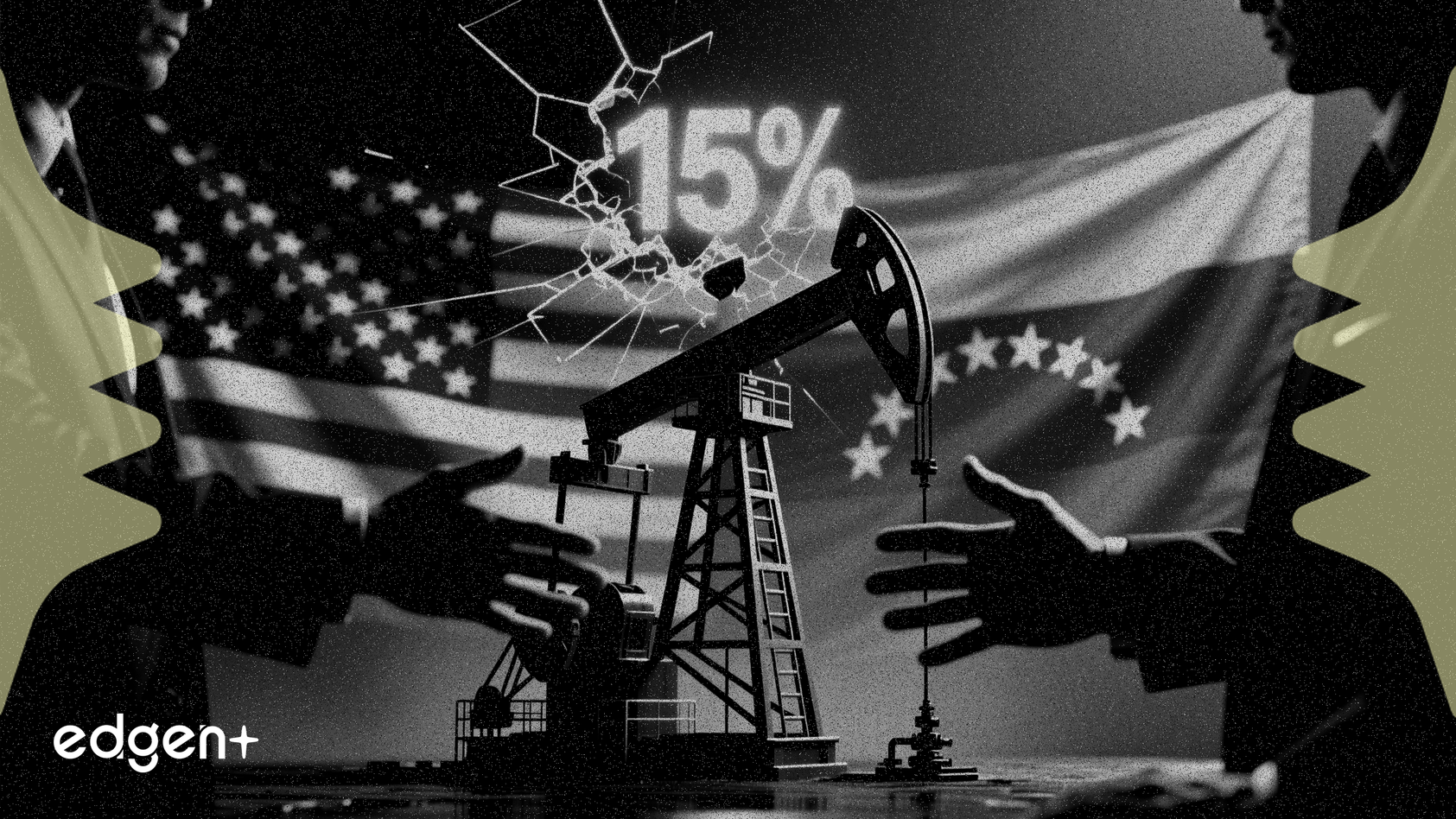
Repsol Lobbies US to Unlock 15% of its Reserves
Spanish oil and gas company Repsol has engaged in direct talks with the White House, seeking authorization to expand its oil extraction in Venezuela and export the crude to the United States. The company is pursuing a framework similar to an existing one granted to U.S. rival Chevron. This initiative is critical for Repsol, as its Venezuelan operations account for a material portion of its global portfolio, representing nearly 15% of its total oil reserves and 12% of its production. Securing U.S. approval would unlock significant value and production capacity that is currently constrained by international sanctions, reshaping the company's upstream operational capacity.
Venezuelan Uncertainty Tests Dividend Stability
The push into Venezuela directly challenges Repsol's investment profile, which relies on stable cash flows from its upstream oil and gas operations to fund a gradual transition to low-carbon energy. For investors, the primary concern is the reliability of shareholder returns. Repsol has confirmed a dividend plan of €0.5 per share in July 2025, followed by another €0.5 per share in January 2026. The viability of these payouts depends on predictable earnings, which could become more volatile due to geopolitical risks in South America and regulatory pressures in Europe. While the company projects reaching €54.8 billion in revenue and €2.6 billion in earnings by 2028, its success in navigating the complex Venezuelan political landscape will be a key determinant of its ability to meet these targets and sustain its dividend commitments.