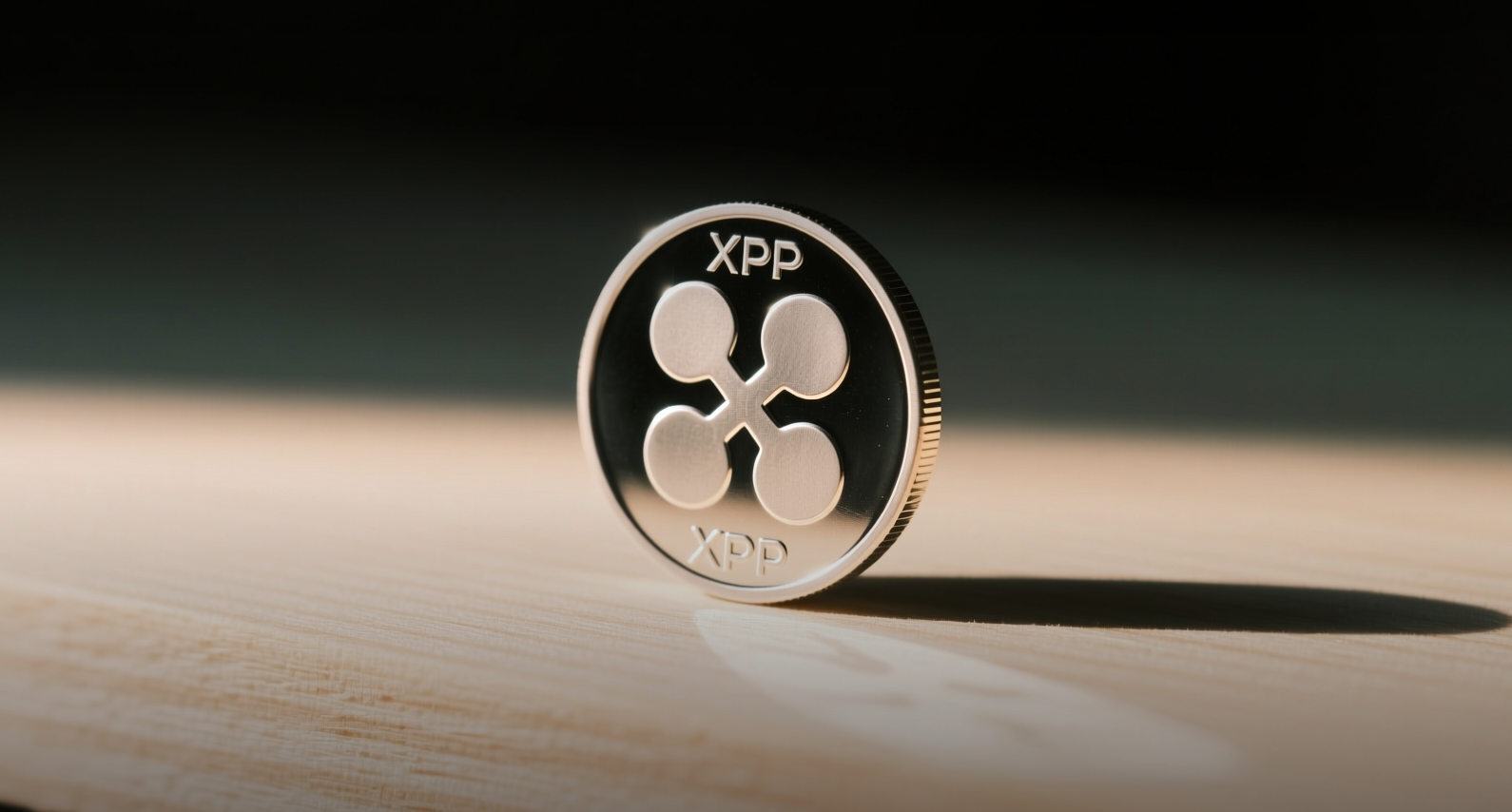
After a decade spent trying to displace SWIFT, Ripple is now building bridges to the network it once sought to replace.
Ripple abandoned its decade-long effort to replace SWIFT's cross-border messaging network, opting instead to integrate its payment solutions directly with the legacy system, the company said June 26.
The strategic shift positions Ripple's RLUSD stablecoin and XRP token for use within the SWIFT network, which connects more than 11,000 financial institutions and processes the majority of global cross-border payments by value, according to the company.
Ripple had spent roughly 10 years developing its own payment messaging infrastructure as a SWIFT alternative, arguing that blockchain-based settlement offered faster and cheaper cross-border transfers. The new approach replaces that strategy with interoperability, allowing traditional banks to access Ripple's technology through the SWIFT network they already operate.
The decision removes a key barrier to institutional adoption of Ripple's technology. Banks that were reluctant to abandon SWIFT can now explore blockchain-based settlement without replacing their existing infrastructure, potentially opening a larger addressable market for Ripple's payment solutions and its RLUSD stablecoin.
The pivot comes as the broader payments industry moves toward connecting legacy and blockchain-based systems. In Europe, the Eurosystem's TIPS network is expanding to include additional currencies for instant settlement, while Visa Direct has been integrating with crypto platforms such as Nuvion for real-time cross-border payouts.
For Ripple, the integration strategy means its technology will function as a layer on top of SWIFT rather than a replacement. That could appeal to the more than 11,000 financial institutions on the network, offering them a path to blockchain-based settlement without abandoning existing infrastructure.
The announcement marks a sharp reversal from Ripple's founding vision. Since its launch in 2012, the company had positioned its XRP-based payment protocol as a direct competitor to SWIFT, arguing that the decades-old messaging system was slow and expensive. The new strategy acknowledges that replacing SWIFT entirely proved impractical given the network's entrenched position in global banking.
The shift also carries implications for XRP and RLUSD. With a clearer route to institutional volume through SWIFT integration, both tokens could see increased demand from traditional financial institutions processing cross-border payments, according to the company.
This article is for informational purposes only and does not constitute investment advice.