

Key Takeaways:
- Ross Stores raised full-year EPS guidance to $8.61-$8.77 from $7.50-$7.74.
- Q2 revenue rose 13% to $6.26 billion, beating consensus of $6.18 billion.
- Comparable store sales climbed 10% in Q2, driven by customer traffic.
Key Takeaways:
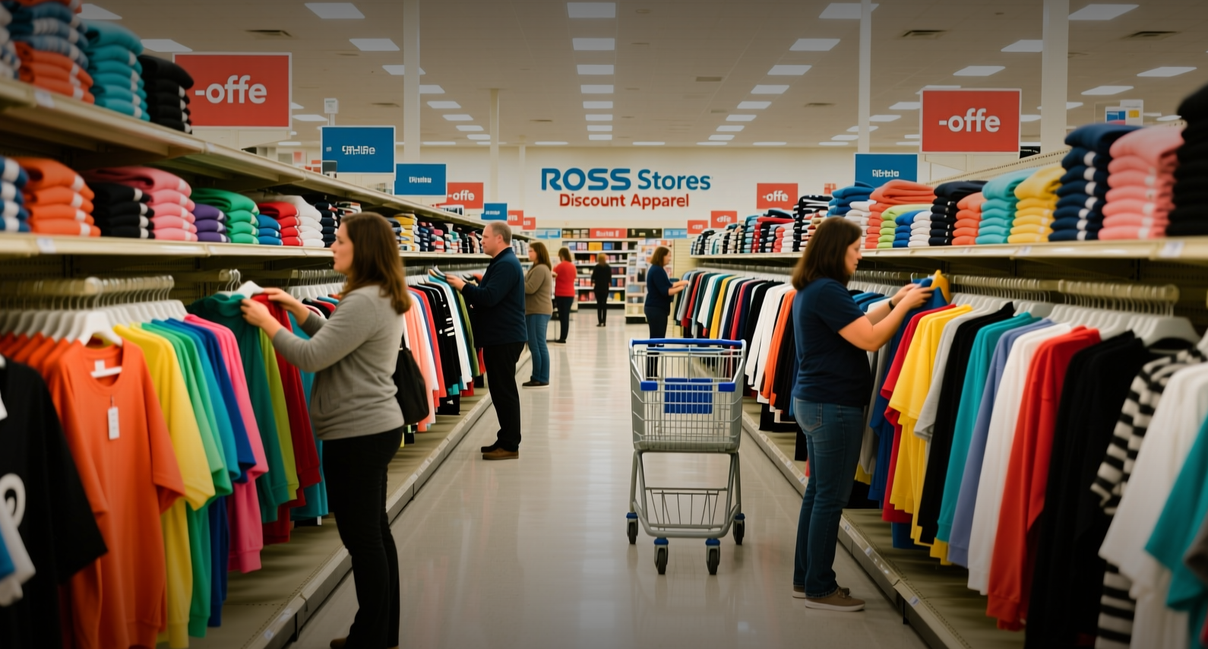
Ross Stores posted Q2 revenue of $6.26 billion, up 13% and beating consensus of $6.18 billion, with comparable store sales up 10%.
"Ross deliberately avoided being the first to raise prices and pass on tariff costs, even intentionally absorbing margin burdens last year. We view this as a savvy move that cemented its low-price leadership and resonated with its customer base," Morningstar analyst Brett Husslein said in a note.
Earnings per share came in at $2.66, above the company's own guidance of $1.85 to $1.93 and consensus of $1.94, according to Benzinga Pro. The quarter included an approximate $0.60 per share benefit from tariff refunds, which contributed roughly $253 million to operating income. Excluding that benefit, operating margin still expanded 205 basis points, exceeding the company's plan for a 130 to 150 basis point increase. Net income rose to $851 million from $508 million a year earlier.
Shares surged nearly 9% in premarket trading Friday, last up 8.6% at $248.77, after falling more than 3% over the prior two sessions. The stock has climbed more than 27% year to date, compared with an 11.6% gain in the S&P 500.
Ross raised its full-year earnings forecast to a range of $8.61 to $8.77 per share, up from a prior outlook of $7.50 to $7.74 and above consensus of $7.79. The company projects comparable store sales to rise 6% to 7% in the third quarter and 4% to 5% in the fourth, compared with analyst expectations of 3.1% and 2.6% growth, respectively. Third-quarter earnings are guided to $1.75 to $1.83 per share, with fourth-quarter earnings of $2.17 to $2.26.
CEO Jim Conroy said traffic was the primary driver of the comp gain, with growth across new, lapsed, and existing customers spanning all income, age, and ethnicity groups. Home and cosmetics were the strongest categories, with the Midwest leading regional gains. The company lifted its 2026 store-opening plan to 115 locations from 110, including 47 opened in the second quarter.
The results contrast with rival TJX Companies, which reported a slowdown at its TJ Maxx and Marshalls discount apparel chains in the second quarter. At least four brokerages, including J.P. Morgan and Barclays, raised their price targets on Ross after the results.
The guidance raise shows management expects bargain-hunting demand to hold even as mainstream retailers report softer spending. Investors will watch third-quarter results, due in November, for whether the tariff refund tailwind rolls off without denting the company's low-price positioning.
This article is for informational purposes only and does not constitute investment advice.
