
Samsung Electronics warned that memory supply will become even more constrained in 2027, while forecasting higher average selling prices and sales volumes for its mobile devices this year.
Samsung Electronics warned that memory supply will become even more constrained in 2027, while forecasting higher average selling prices and sales volumes for its mobile devices this year.
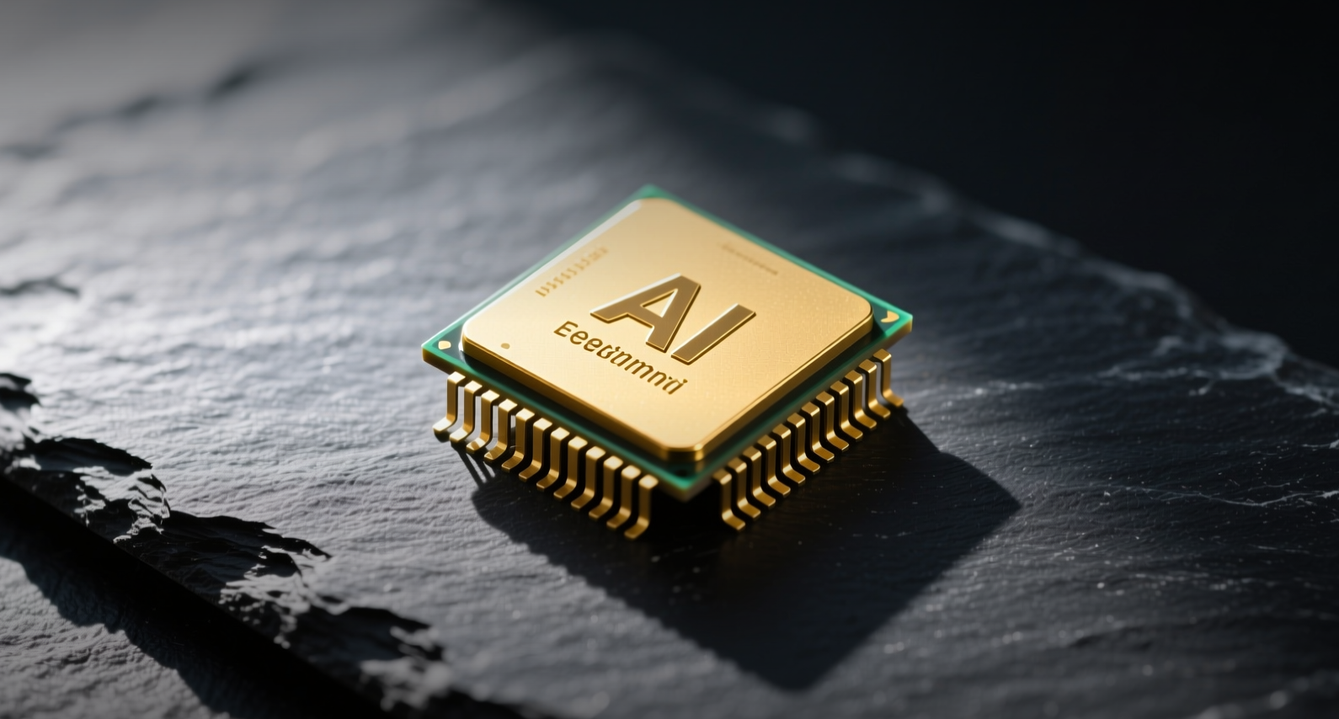
Samsung's warning that memory supply will tighten further in 2027 adds to mounting evidence that the AI-driven chip shortage is deepening, with implications for device makers and cloud providers alike.
"The supply-demand balance for memory will remain tight through next year, with conditions becoming more severe in 2027," Samsung said in its guidance, without specifying which product segments would face the greatest constraints.
The South Korean chipmaker also projected full-year mobile device ASP and sales volumes would rise, signaling strong demand for premium smartphones even as component costs climb. Memory now accounts for roughly 35% of a laptop's materials cost, up from 15% to 18% a quarter earlier, HP said in its most recent earnings call.
The guidance strengthens the case for memory makers — Samsung, SK Hynix and Micron Technology — which have seen high-bandwidth memory supply sold out through 2026 and are already negotiating 2027 contracts. But it also threatens to squeeze downstream device manufacturers already grappling with rising bills of materials.
Memory tightness spreads beyond AI racks
The shortage is no longer confined to HBM used in Nvidia's AI accelerators. SK Hynix said at its second-quarter earnings call that DRAM demand would grow in the mid-20 percent range this year and NAND demand in the high-10 percent range, with latent demand expected to revive once supply constraints ease. The company has signed long-term supply agreements with about 10 customers, including financial mechanisms such as deposits to reinforce commitment.
Micron, meanwhile, has sold out its 2026 HBM supply and is already negotiating 2027 volumes. Its 36GB 12-high HBM4 — in high-volume production for Nvidia's Vera Rubin platform — delivers bandwidth greater than 2.8 TB/s, a 2.3 times improvement over HBM3E, according to the company's published specifications. New fabs in Idaho and Taiwan will not add meaningful DRAM output until the second half of 2027 at the earliest.
Samsung itself is expanding HBM production capacity by roughly 50% in 2026, according to a Data Center Dynamics report from January. But even that may not be enough. TrendForce data shows DRAM contract prices surged 90% to 95% quarter-over-quarter in the first three months of 2026, and Gartner forecasts a 130% rise in combined DRAM and SSD prices by year-end.
What the supply crunch means for investors
For Samsung, the dual tailwind of rising memory prices and stronger mobile device ASP creates a favorable profit mix. The company's semiconductor division posted a record 89.2 trillion won in operating profit in the second quarter, according to its most recent earnings report, even as its device experience unit swung to a loss.
But the cost is cascading downstream. Gartner expects PC prices to rise 17% and smartphone prices 13% from 2025 levels as memory costs feed through the supply chain. Cloud providers, which can absorb higher HBM prices because their revenue models depend on keeping accelerators fed, face a different calculus: SemiAnalysis estimates a fully configured 256-chip Nvidia Vera rack would cost around $10 million, depending on memory configuration.
Samsung shares trade at a discount to SK Hynix on forward earnings, reflecting lingering concerns about its HBM qualification timeline relative to rivals. The 2027 supply warning, if realized, could narrow that gap — or widen it, depending on which memory maker can deliver the most capacity to customers willing to sign five-year contracts.
This article is for informational purposes only and does not constitute investment advice.
