
Key Takeaways: Student debt is increasingly following Americans into retirement, and a new Senate proposal would permanently shield Social Security checks from federal collection.
Key Takeaways: Student debt is increasingly following Americans into retirement, and a new Senate proposal would permanently shield Social Security checks from federal collection.
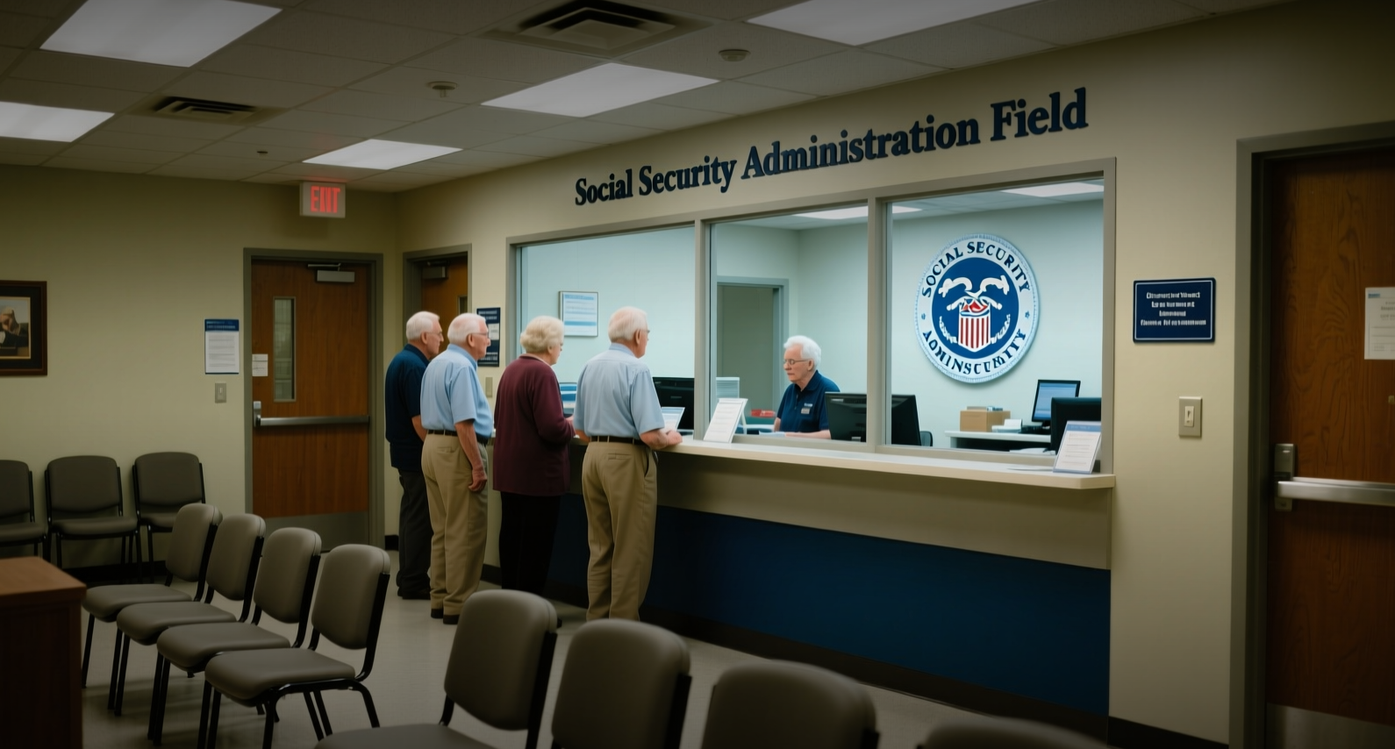
Student debt is increasingly following Americans into retirement, and a new Senate proposal would permanently shield Social Security checks from federal collection.
Sen. Bernie Sanders proposed legislation to permanently block the federal government from garnishing Social Security benefits to collect defaulted student loans, a practice affecting roughly 9.5 million borrowers.
"In the richest country in the history of the world, no senior should have their Social Security payments taken away from them to pay back student debt," Sanders said in a statement announcing the Stop Social Security Garnishment Act.
The bill, backed by Democratic Sens. Elizabeth Warren and Ed Markey, would amend the Higher Education Act to shield Social Security retirement and disability benefits from offsets for federal student loan debt. About 9.6 million borrowers ages 50 and older hold nearly $457 billion in outstanding loans, according to second-quarter Education Department data. The Consumer Financial Protection Bureau found the number of borrowers age 62 and older with student debt grew from about 1.7 million in 2017 to 2.7 million in 2023.
The proposal arrives as the Trump administration has paused involuntary collections since January while implementing new repayment options that launched July 1. If Congress approves the bill, roughly 9.5 million defaulted borrowers would gain permanent protection from benefit seizure, shifting how older Americans plan retirement finances around outstanding education debt.
The demographic shift in student debt is measurable. CFPB research shows 37 percent of Social Security beneficiaries with student loans relied on Social Security for at least 90 percent of their income, with an average monthly benefit of about $1,523. Half of Social Security beneficiaries with student loans in default who went through collections reported skipping a doctor visit or being unable to obtain needed prescription medicine because of cost.
The proposal does not erase loans or cancel what borrowers owe. It targets collection methods, specifically preventing the government from using Social Security payments as a recovery tool for defaulted federal student loan debt.
The Education Department delayed involuntary collections, including Treasury Offset Program actions, in January while implementing changes to the student loan repayment system. That pause means Social Security offsets for student loans are currently suspended, with no restart date announced.
Under existing Treasury rules, eligible federal payments can generally be reduced by up to 15 percent through offsets, with a minimum amount of Social Security income protected from reduction. The CFPB estimated that annual Social Security benefits collected through the program grew from an inflation-adjusted $16.2 million in 2001 to $429.7 million in 2019, with about 192,300 beneficiaries affected that year.
The Education Department said in March that its federal student loan portfolio stood at nearly $1.7 trillion, with almost one quarter of borrowers in default.
Sanders announced the proposal on August 17, and his office said the bill will be formally introduced when the Senate returns to session next month. The publicly available draft does not yet include a Senate bill number.
The distinction between the current pause and Sanders' proposal matters for borrowers. The pause is an administrative decision that can be reversed; the bill would create a permanent legal restriction if Congress approves it. For the roughly 9.6 million borrowers ages 50 and older carrying $457 billion in debt, the outcome determines whether Social Security income remains protected from collection. Borrowers should verify the latest official announcements from the Education Department and Treasury regarding collection status, as policies and timelines may change.
This article is for informational purposes only and does not constitute professional advice.
