

SAP está formando una amplia coalición con seis de los nombres más importantes de la tecnología, una respuesta directa a la batalla por el dominio de la IA empresarial.
SAP está formando una amplia coalición con seis de los nombres más importantes de la tecnología, una respuesta directa a la batalla por el dominio de la IA empresarial.
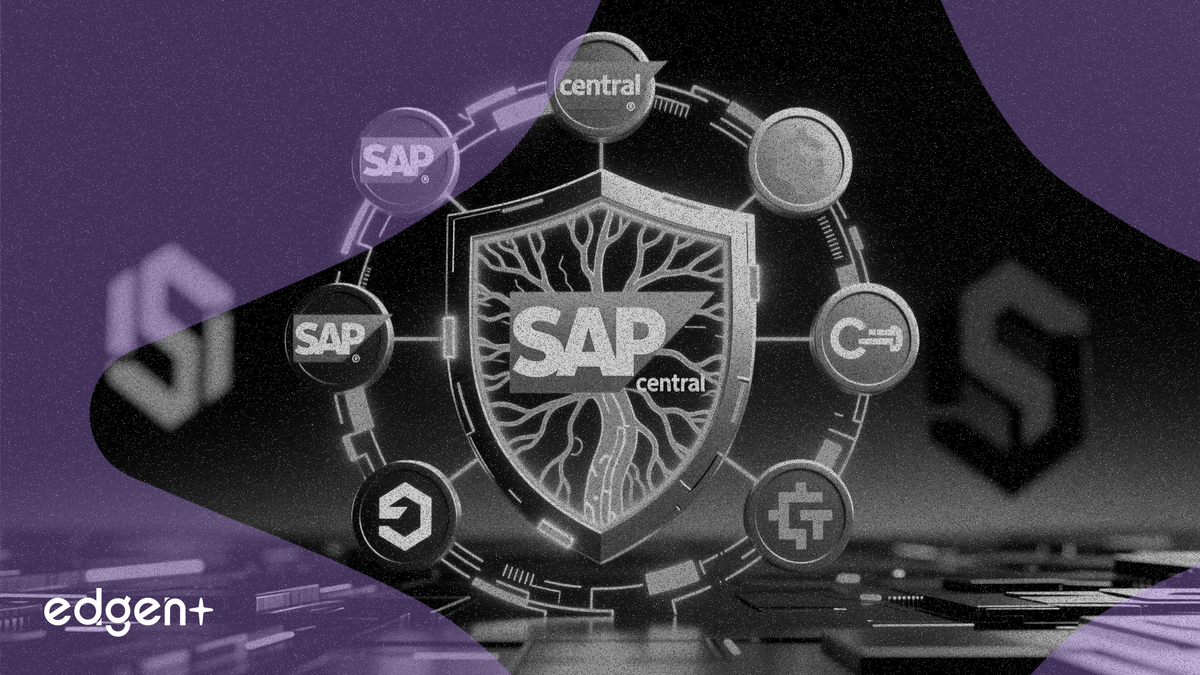
SAP SE anunció una importante expansión de su estrategia de IA empresarial, profundizando sus asociaciones con Anthropic, Amazon Web Services, Google Cloud, Microsoft, NVIDIA y Palantir. El movimiento crea un ecosistema formidable destinado a acelerar la adopción de la IA para su base de clientes global, preparando el escenario para una confrontación directa con la agresiva incursión de OpenAI en las cuentas corporativas.
La estrategia de la compañía se centra en integrar una amplia gama de tecnologías de IA de vanguardia en su nueva plataforma de negocios autónoma. Al colaborar con socios como Anthropic, conocida por su fuerte tracción en el mercado empresarial, SAP señala su intención de ofrecer a los clientes opciones y flexibilidad. Esto contrasta marcadamente con el enfoque más centralizado de algunos competidores.
Las asociaciones son extensas: las GPU de NVIDIA impulsarán el backend computacional, Google y Microsoft proporcionarán infraestructura en la nube y modelos fundacionales, y Palantir aportará su destreza en el manejo de datos. La inclusión de Anthropic es particularmente notable; la firma de IA supuestamente ha asegurado contratos con ocho de las Fortune 10, dándole un punto de apoyo significativo en el mismo mercado por el que luchan SAP y OpenAI.
Esta alianza es una clara contramaniobra a los desarrollos recientes, particularmente el establecimiento por parte de OpenAI de una empresa de despliegue de 4,000 millones de dólares. La nueva entidad, financiada por un sindicato que incluye a TPG y Advent International, se formó para integrar a los ingenieros de OpenAI directamente con los clientes empresariales, una estrategia de alto contacto e intensiva en capital diseñada para acelerar los despliegues de producción y cerrar la brecha de ventas empresariales con Anthropic.
El mercado de la IA empresarial está viendo emerger dos modelos de entrega distintos. OpenAI persigue un modelo de integración directa guiado por expertos, apostando a que integrar a sus propios ingenieros es la forma más rápida de convertir proyectos piloto en ingresos de producción. La empresa está construyendo efectivamente su propia rama de consultoría a gran escala, un movimiento que amenaza con desintermediar a los integradores de sistemas tradicionales como Accenture y Cognizant.
SAP, en cambio, está construyendo un amplio ecosistema de socios. Este enfoque, más parecido al modelo clásico de SAP, se basa en una red de proveedores de tecnología de primer nivel para ofrecer una solución integral. La estrategia aprovecha la profunda integración de SAP en los paisajes de TI corporativos y la experiencia especializada de sus socios. Para los clientes, promete más flexibilidad y evita la dependencia de un solo proveedor de IA. La pregunta es si esta coalición puede moverse tan rápido y de manera tan cohesiva como una sola entidad integrada verticalmente como la nueva rama de despliegue de OpenAI.
Las apuestas financieras son inmensas. El mercado de la IA empresarial representa una oportunidad de varios billones de dólares, y las inversiones reflejan eso. La Empresa de Despliegue de OpenAI se lanzó con más de 4,000 millones de dólares en financiamiento antes de generar ingresos significativos, lo que indica la escala de capital requerida para competir. La estrategia de SAP aprovecha el poder combinado de I+D y de mercado de sus socios, un enfoque menos intensivo en capital para la propia SAP pero que requiere una coordinación significativa.
Para los inversores, el anuncio consolida las líneas de batalla en el software empresarial. Los tickers involucrados —SAP, GOOGL, MSFT, NVDA, PLTR— representan una parte significativa de la valoración del mercado tecnológico. El movimiento de SAP refuerza su posición competitiva, pero también resalta el desafío de nuevos actores bien financiados como OpenAI y la importancia estratégica de firmas nativas de IA como Anthropic. El mercado estará observando de cerca si el modelo de ecosistema o el modelo de experto integrado gana finalmente la guerra de la IA empresarial.
Este artículo tiene únicamente fines informativos y no constituye asesoramiento de inversión.
