


US semiconductor equipment stocks surged in pre-market trading Wednesday, reversing a two-day rout that erased hundreds of billions from global tech valuations.
US semiconductor equipment stocks surged in pre-market trading Wednesday, reversing a two-day rout that erased hundreds of billions from global tech valuations.
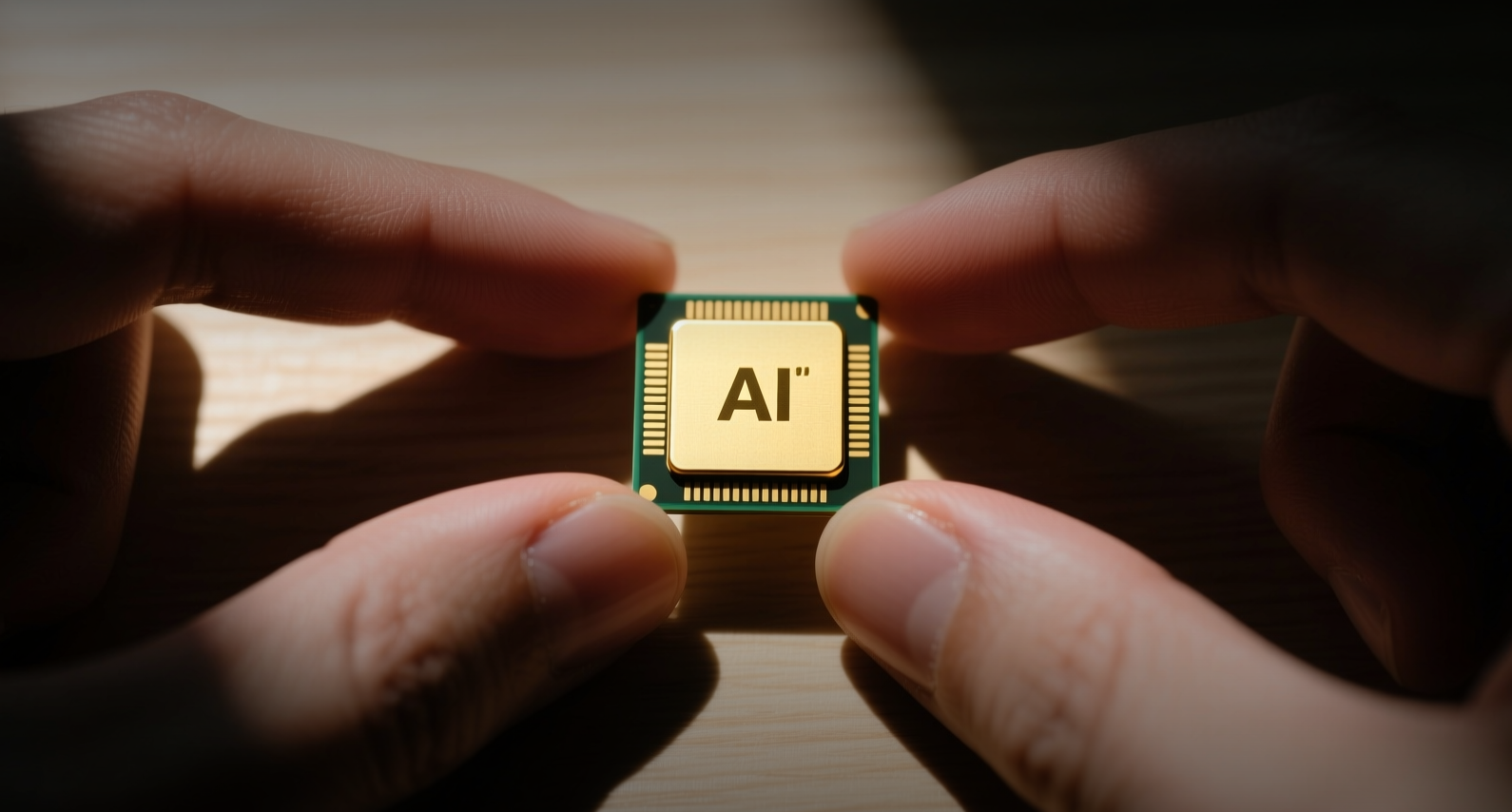
US semiconductor equipment stocks surged in pre-market trading Wednesday, reversing a two-day rout that erased hundreds of billions from global tech valuations.
Lam Research jumped 6.7%, ASML rose nearly 5% and TSMC gained more than 3% in US pre-market trading, as a sharp rebound in South Korea's KOSPI — up 4.1% — signaled stabilization after the index's 10% plunge a day earlier.
"The selloff was driven by positioning, not fundamentals," said Rachel Kim, semiconductor analyst at Edgen. "AI memory demand hasn't changed — the correction was overdue after a 300% rally off the 2025 lows."
The KOSPI surged more than 330 points to 8,550 within 30 minutes of Wednesday's open, with Samsung Electronics jumping 9% and SK Hynix gaining 5%. The rebound followed a brutal session Tuesday where the Philadelphia Semiconductor Index sank 7.9% and the Nasdaq 100 fell 3.3%, triggered by concerns over debt-funded AI spending and tightening financial conditions.
The whipsaw highlights the extreme concentration risk in AI-exposed markets. South Korea's top five stocks account for nearly 70% of the KOSPI, with Samsung and SK Hynix alone contributing roughly 45%. Any moderation in AI capital expenditure or memory pricing could trigger further sharp drawdowns, even as long-term demand from data center buildouts remains intact.
The pre-market surge was broad-based across the semiconductor supply chain. Lam Research (up 6.7%) and ASML (up nearly 5%) — the two largest equipment makers by market value — led gains, followed by foundry leader TSMC (up more than 3%) and United Microelectronics Corp (up 3%). The moves suggest investors viewed Tuesday's 7.9% plunge in the Philadelphia Semiconductor Index as an overreaction rather than the start of a structural downturn.
Options markets had signaled elevated anxiety before the rebound. Puts on the iShares Semiconductor ETF traded at 1.5 times the 20-day average volume on Tuesday, with 74,468 contracts changing hands. The August 570/450 put spread on SOXX — a bearish bet that pays roughly 3:1 if the ETF falls below $450 — was among the most active structures, reflecting demand for tail-risk protection after volatility in the sector doubled since the start of the year.
The KOSPI's 10% crash on Tuesday was its third drawdown exceeding that magnitude this year, each compressed into three sessions or fewer. One of those drops was nearly 20%. The index had rallied more than 300% from its 2025 lows to this month's highs, a trajectory that some market participants compared to the run-up before the 2000-2002 tech wreck, though the current move is less extreme by historical standards.
For investors, the question is whether Wednesday's bounce represents a buying opportunity or a dead-cat bounce before further downside. Nvidia shares, which have been the epicenter of the AI trade, remain highly sensitive to any signal of slowing CapEx from hyperscalers. Alphabet's plan to raise up to $80 billion for AI infrastructure — with Berkshire Hathaway investing $10 billion — suggests the buildout cycle has room to run. But with the Philadelphia Semiconductor Index still down more than 10% from its June high, the path to recovery may be uneven.
This article is for informational purposes only and does not constitute investment advice.
