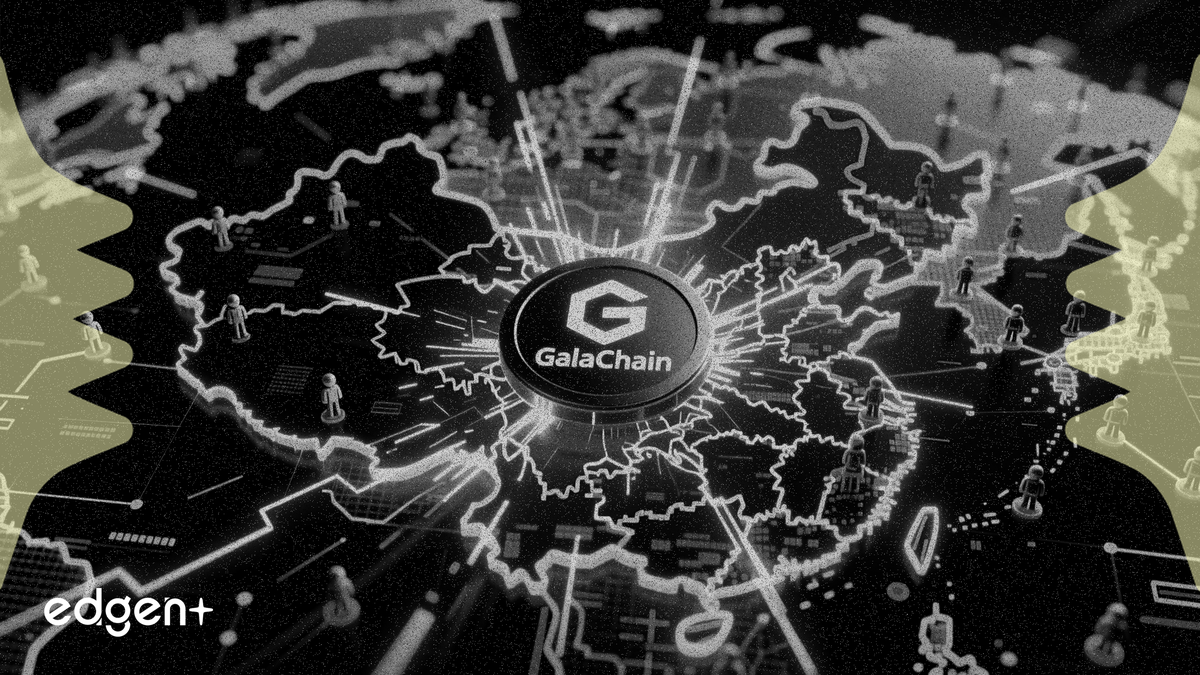
Web3 gaming firm Shrapnel is launching in China, giving it compliant access to a $49 billion market with nearly 700 million players through an integration between GalaChain and a government-backed framework.
"The integration marks two industry firsts: a Western Web3 game entering China with fully compliant digital asset trading, and a Western Layer 1 blockchain serving as the bridge that makes it possible," the company said in a statement on April 30.
The move is powered by GalaChain, a Layer 1 blockchain, and its integration with China's Trusted Copyright Chain (TCC), the national infrastructure that provides legal recognition for digital assets. Shrapnel has already migrated over 400,000 non-fungible tokens (NFTs) to GalaChain, which will now be accessible within a unified, cross-border game economy allowing for peer-to-peer trading in RMB.
This launch establishes the first regulated on-ramp for a Western Web3 game into China's lucrative market, setting a critical precedent for a new "China-approved" narrative. The success of this model could drive significant investment into GalaChain ecosystem assets like GALA and SHRAP and provide a blueprint for other Web3 projects seeking access.
A Regulated Bridge
Until now, no Western blockchain or Web3 game had a compliant path into China's highly regulated and vast gaming market. The GalaChain integration with the TCC creates that path, enabling what the company calls a "regulated digital economy inside a real game." For Chinese players, this allows for the buying, selling, and trading of in-game items for RMB without using unregulated grey markets.
The launch includes an exclusive GalaDex Weapon Skin Collection minted on GalaChain, which are the first officially sanctioned cross-border Web3 gaming assets available in the country. This mirrors a broader trend in digital assets, where the tokenization of real-world assets (RWA) is gaining institutional traction by building on regulated infrastructure, as noted in recent industry analysis.
GalaChain, which has been transacting on-chain since 2025 and is secured by 20,000 community-operated nodes, was chosen for its low-latency performance suitable for competitive gaming. This same performance now positions it as key infrastructure for compliant Web3 gaming in the region. The move shows a market moving beyond experimentation and toward deployable financial infrastructure that connects previously siloed, region-based systems into global, programmable markets.
This article is for informational purposes only and does not constitute investment advice.