
Un hallazgo masivo de gas de esquisto en Sichuan otorga a Pekín una nueva y poderosa herramienta para contrarrestar las crisis energéticas mundiales y reducir su dependencia de las importaciones.
Un hallazgo masivo de gas de esquisto en Sichuan otorga a Pekín una nueva y poderosa herramienta para contrarrestar las crisis energéticas mundiales y reducir su dependencia de las importaciones.
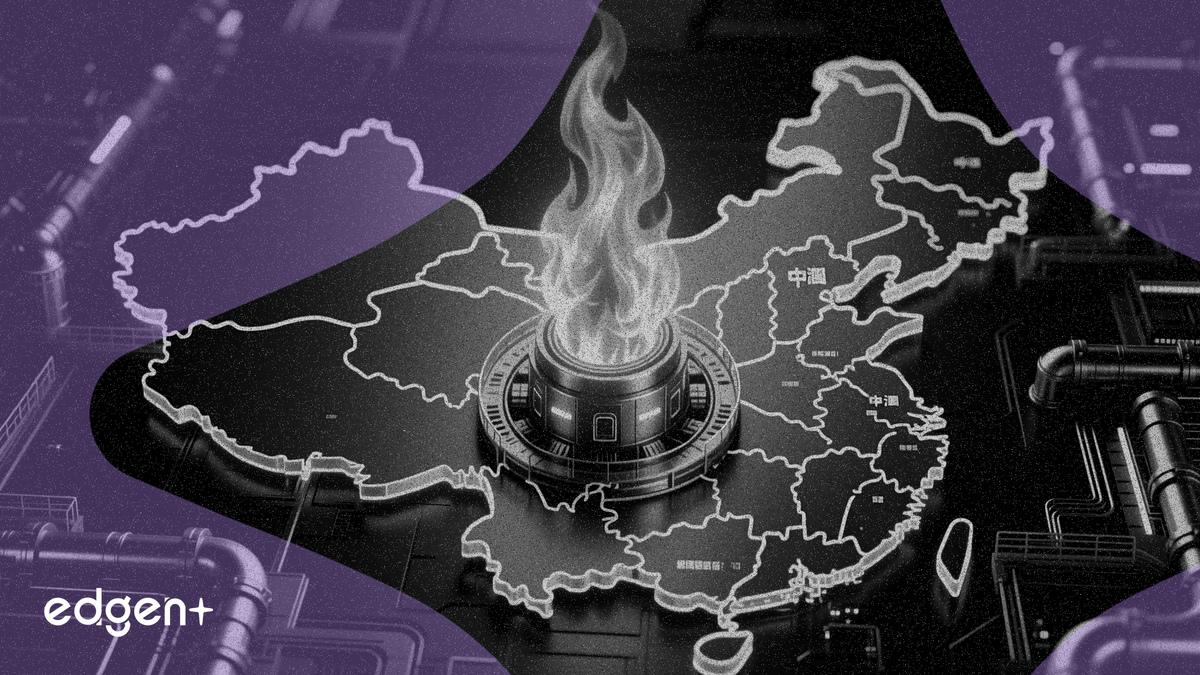
China Petroleum & Chemical Corporation ha obtenido la aprobación de 235.687 millones de metros cúbicos (bcm) de reservas de gas de esquisto en Sichuan, lo que supone un gran impulso para la seguridad energética de la nación en un momento en que los mercados mundiales de combustible siguen sacudidos por el conflicto en Oriente Próximo.
Las reservas geológicas probadas en el campo Ziyang Dongfeng fueron certificadas por el Ministerio de Recursos Naturales de China, según informó Sinopec (HKG: 0386) en un comunicado el 13 de mayo. El descubrimiento es un hito significativo para el "Proyecto Tierra Profunda", una iniciativa liderada por el gobierno para aumentar la producción nacional de energía y reducir la dependencia de las importaciones extranjeras.
El hallazgo se produce mientras el cierre del Estrecho de Ormuz envía ondas de choque a través de los mercados energéticos. El precio al contado del crudo Brent de referencia alcanzó una media de 117 dólares por barril en abril, un 65 por ciento más que en febrero, según la Administración de Información Energética de EE. UU. (EIA). La crisis ha encarecido los costes del combustible y los fertilizantes, tensando las economías desde la India hasta Europa.
Esta fuente de gas nacional a gran escala proporciona un colchón crítico para Pekín, permitiéndole aislar su economía de la extrema volatilidad de los precios y de las interrupciones en la cadena de suministro que afectan a otros grandes importadores. Para el mayor consumidor de energía del mundo, el hallazgo representa un paso significativo hacia su objetivo a largo plazo de autosuficiencia energética.
El conflicto en Oriente Próximo ha puesto de manifiesto la vulnerabilidad de las naciones que dependen de las importaciones de energía. El cierre de facto del Estrecho de Ormuz, un punto de estrangulamiento para una quinta parte del suministro mundial de petróleo, ha paralizado más de 10 millones de barriles diarios de producción de crudo y ha disparado los precios, según datos de la EIA e informes del gobierno indio.
Países como la India se han visto afectados por un doble golpe de escasez de suministro y aumento de costes, viéndose obligados a pagar primas elevadas por cargamentos de emergencia. Funcionarios indios informaron de que más del 88 por ciento de las necesidades de petróleo crudo del país se cubren con importaciones, lo que hace que su economía sea altamente vulnerable a las crisis de precios. La crisis ha llevado al primer ministro Narendra Modi a pedir una reducción del consumo de combustible para recortar la factura de importación de la nación. Aunque EE. UU. ha incrementado las exportaciones y la ralentización de China ha frenado parte de la demanda, los mercados siguen nerviosos.
El descubrimiento de Sinopec podría tener consecuencias a largo plazo para el mercado mundial del gas natural licuado (GNL). China es el principal importador mundial de GNL, y sus decisiones de compra son un motor fundamental de los precios al contado. Un aumento sustancial de la producción nacional de gas podría frenar su apetito por futuras importaciones de GNL.
Esta reducción de la demanda china podría, en última instancia, aliviar la presión sobre el suministro mundial, lo que podría conducir a precios más moderados para otros grandes compradores de Europa y Asia que compiten por un número limitado de cargamentos. Las reservas del campo Ziyang Dongfeng equivalen a una parte significativa del consumo anual de gas de China, lo que otorga a los responsables políticos una poderosa palanca para gestionar el suministro nacional y reducir la exposición al mercado internacional al contado. Se espera que el desarrollo tenga un impacto alcista en la valoración de Sinopec al apuntalar los flujos de ingresos futuros.
Este artículo tiene únicamente fines informativos y no constituye asesoramiento de inversión.
