



Small-engine manufacturers are emerging as unlikely beneficiaries of the AI data center buildout as grid constraints push operators toward off-grid power solutions.
Small-engine manufacturers are emerging as unlikely beneficiaries of the AI data center buildout as grid constraints push operators toward off-grid power solutions.
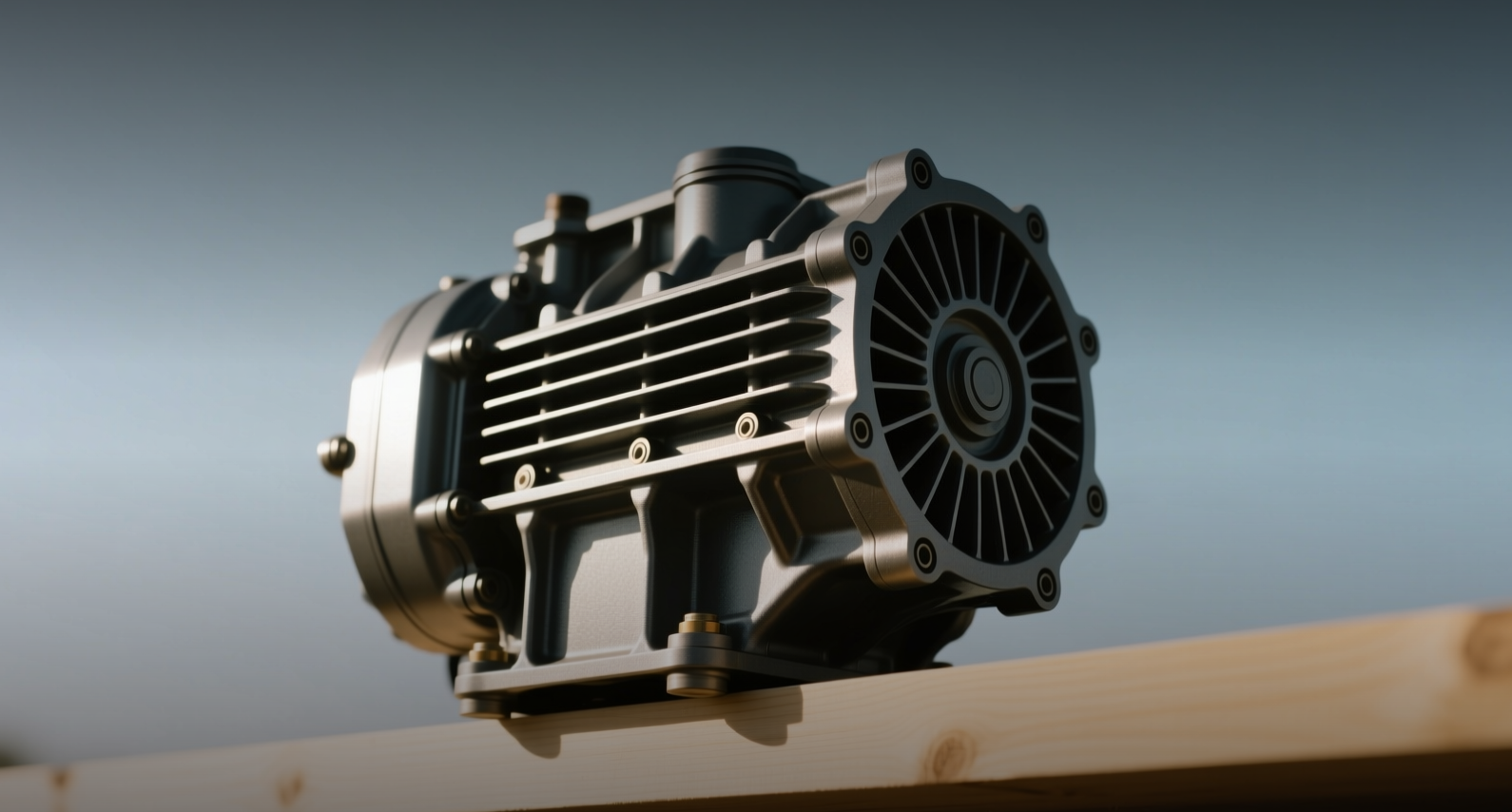
Data center operators are turning to small-engine generators from companies including Generac Holdings Inc. and Cummins Inc. as grid bottlenecks threaten to stall a buildout that will require 151,734 MW of US capacity by 2030, more than double the 62,242 MW online in March 2026, according to S&P Global Market Intelligence.
"The most significant barrier to data center growth is not a shortage of power generation but a lack of transmission and substation capacity to deliver it," S&P Global Market Intelligence said in a report. On-site gas-fired generation is expected to cover 25% of new data center demand by 2030.
PJM Interconnection, the grid operator covering 13 states and 65 million people, has seen capacity prices surge more than 1,000% since 2024 as data center connection requests overwhelm supply. Members voted Tuesday to advance a procurement plan that would begin Sept. 10, though the board has yet to finalize terms. Hyperscalers including Amazon.com Inc., Alphabet Inc., Meta Platforms Inc. and Microsoft Corp. have quintupled contracted carbon-free capacity since 2022, expanding beyond renewables to nuclear and on-site power for reliability.
For small-engine manufacturers, the structural demand represents a new growth vertical. Generac and Cummins, traditionally tied to residential backup and industrial power markets, now face a multiyear procurement cycle from data center developers racing to secure power before capacity is booked. Caterpillar Inc., another industrial power player, also stands to benefit as the market for off-grid data center generation expands.
Grid Reality Bites
The bottleneck is transmission infrastructure, not power generation. Developers are shifting to less-congested grid areas and deploying on-site generation to bypass interconnection queues that can stretch five years or more. PJM's non-binding vote Tuesday advanced a proposal allowing data centers to either pay for new power supplies or agree to curtail usage during peak stress — a structure designed to prevent broader blackouts while accommodating demand growth.
The Investment Case
For investors, the question is whether the off-grid power opportunity is priced in. Generac shares have gained this year as data center orders emerged, though the company still derives the majority of revenue from residential backup power. Cummins' industrial power segment could see a similar tailwind as data center operators lock in multiyear supply agreements. The 25% of new demand expected to be met by on-site gas generation by 2030 represents roughly 22,000 MW of addressable capacity — a figure that could drive significant revenue growth for industrial power companies if grid constraints persist.
This article is for informational purposes only and does not constitute investment advice.
